




In the world of fitness, where complex machinery and high-intensity interval training often dominate the headlines, it is easy to overlook the humble, foundational movements that truly dictate our quality of life. Among these, the glute bridge stands as a pillar of functional stability. While it may look like a simple floor exercise, the glute bridge is a sophisticated diagnostic tool for assessing core integrity, hip mobility, and muscular endurance—especially as we age.
According to Bridget Moroney, Head Coach at EGYM Fitness in Denver, Colorado, the glute bridge is not merely a "butt exercise." It is a vital indicator of physical independence. For those over the age of 65, achieving a specific duration in a controlled bridge hold is considered a gold-standard metric for "top-tier" core strength.
The Mechanics of the Bridge: A Full-Body Integration
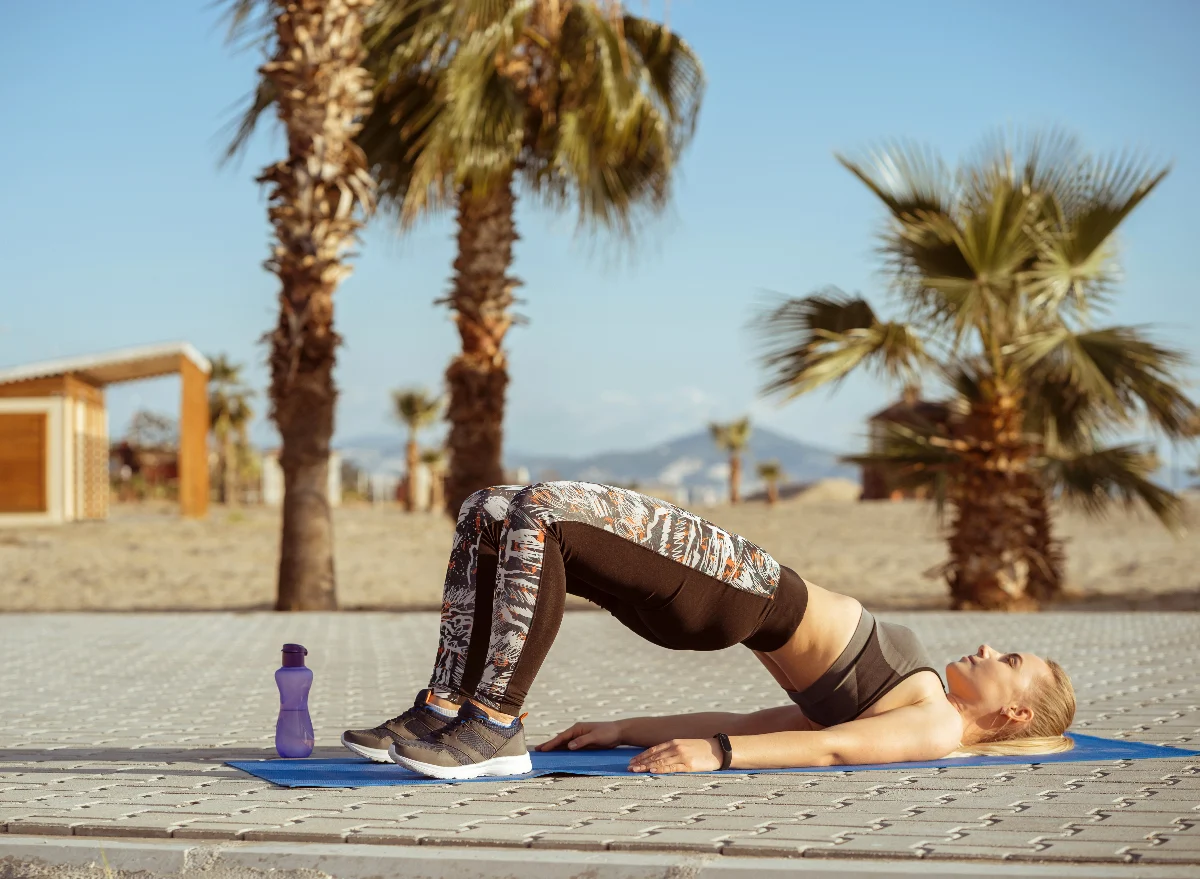
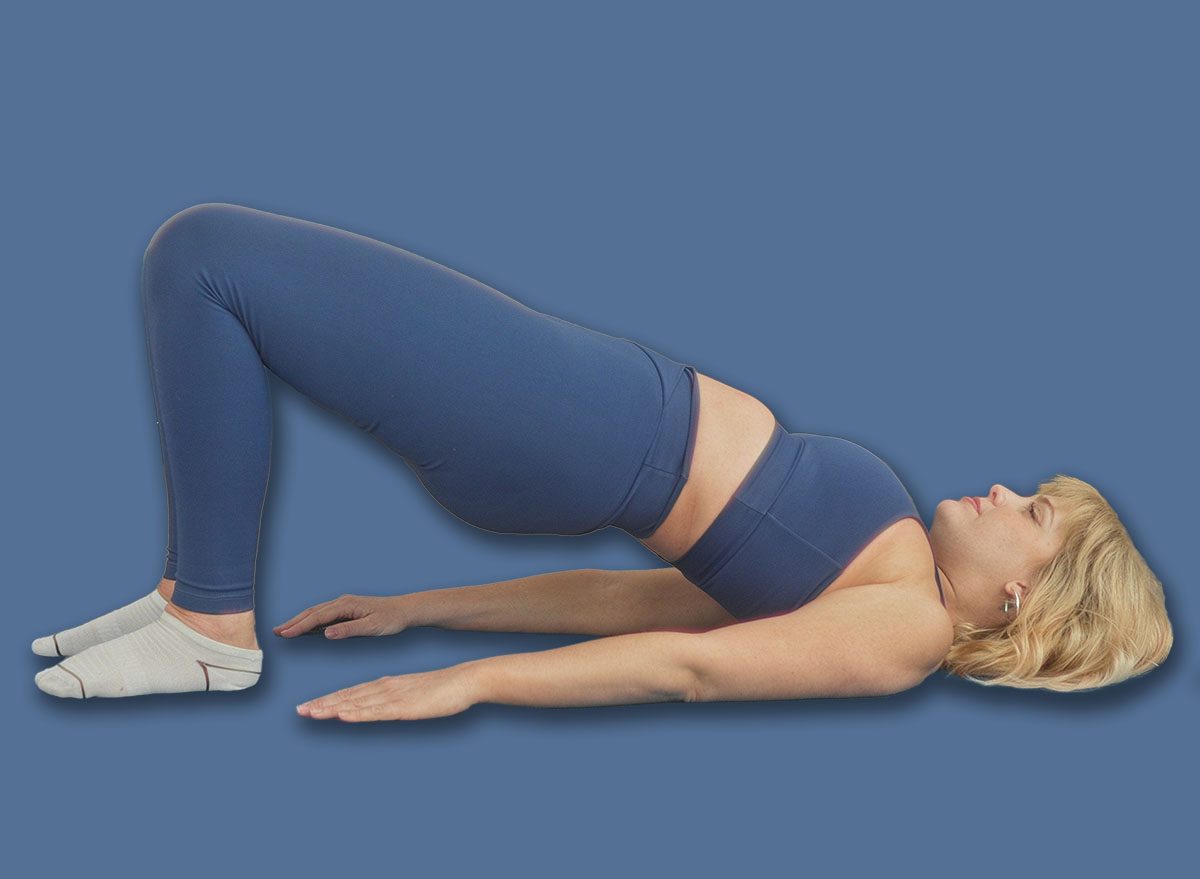
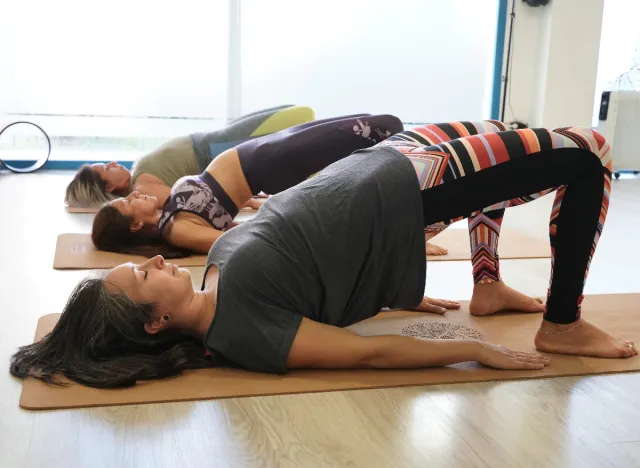
At its most basic level, the glute bridge is an exercise in posterior chain activation. To perform it, one simply lies on their back with knees bent and feet flat on the floor, lifting the hips until the body forms a straight, diagonal line from the shoulders to the knees.
However, beneath the surface of this simple movement lies a complex orchestration of muscle groups. The bridge targets the deep abdominal muscles (the transverse abdominis), the pelvic floor, the hip flexors, the lower back (erector spinae), the gluteus maximus, and the hamstrings. Unlike crunches, which focus primarily on spinal flexion, the bridge requires the body to stabilize and resist extension.
"Real-world movement doesn’t isolate your core anyway," Moroney explains. "Your glutes, core, and hip stability work together whether you’re climbing stairs or getting out of a chair. The bridge teaches your core to stabilize in a way that mimics these daily demands, filling the gap left by traditional sit-up-style exercises."
Chronology of Functional Decline and the Role of the Bridge
To understand why the bridge is a critical assessment for the aging population, one must look at the natural progression of physical activity. In our younger years, sedentary habits often lead to "gluteal amnesia"—a condition where the glute muscles become inactive due to prolonged sitting. As we enter our 50s and 60s, this inactivity, if left unaddressed, exacerbates the loss of functional independence.
- The Sedentary Baseline: Prolonged periods of sitting weaken the posterior chain and tighten the hip flexors.
- The Compensation Phase: When the glutes are weak, the lower back and knees begin to compensate for the lack of power during movement. This is often when chronic pain begins to manifest.
- The Intervention: By integrating the glute bridge into a daily routine, individuals begin to reverse this cycle. The exercise serves as both a preventative measure and a therapeutic tool.
- The Proficiency Benchmark: After consistent training, the ability to hold a bridge for 60 seconds indicates that the body has successfully recalibrated its movement patterns, moving away from compensatory strain and toward efficient, stable power.
Why the Bridge Outperforms Traditional Abdominal Exercises
There is a common misconception in the fitness industry that a "strong core" is synonymous with a "six-pack." This has led to an over-reliance on flexion-based exercises like standard crunches or sit-ups. While these movements have their place, they often neglect the body’s need for "anti-extension" strength.
When we walk, carry groceries, or reach for an object on a high shelf, our spine is not meant to curl forward; it is meant to stay neutral while our hips and limbs generate power. The glute bridge acts as an anti-extension drill, forcing the core to lock the ribcage down and the pelvis in place against the weight of the legs and torso.
"The problem is imbalance, not flexion itself," says Moroney. "The bridge teaches your core to stabilize and resist extension, which is what your body actually needs for real-world function. You need both patterns, but for aging adults, prioritizing the stability provided by the bridge is essential for preventing falls and maintaining balance."
The Gold Standard: Defining "Top-Tier" Strength
So, what does a "strong" bridge actually look like? It is not about how high you can thrust your hips or how many reps you can grind out in a minute. It is about control.
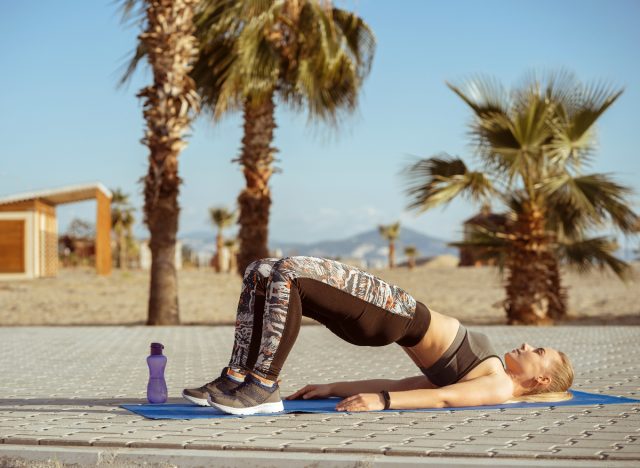
According to Moroney, the target benchmark for solid core strength in individuals over 65 is a 60-second, stable, controlled bridge hold.
The Criteria for Success:
- Neutral Spine: The lower back should not be arched excessively. If the lower back takes over, the core has failed to stabilize the pelvis.
- Hip Extension: The hips should be fully extended without the glutes "unlocking" or sagging toward the floor.
- Quality Over Duration: A shaky, 90-second hold where the back is compensating is significantly less valuable—and more dangerous—than a rock-solid, 60-second hold. "The key is quality," Moroney emphasizes. "We want to see proper glute engagement and a neutral spine throughout the entire minute."
Implications for Long-Term Independence
The implications of mastering the glute bridge extend far beyond the gym floor. Strong glute performance is a direct proxy for the ability to lead an active, independent life. Consider the biomechanics of daily tasks:
- Getting out of a chair: Requires explosive hip extension and pelvic stability.
- Climbing stairs: Relies on the glutes to propel the body upward and the core to keep the torso upright.
- Carrying groceries: Demands that the core remains rigid to protect the spine from the asymmetric load.
"Someone who can hold a solid bridge can do those things without compensation patterns," Moroney notes. "Compensation is the precursor to injury. When you can’t fire your glutes, your lower back takes the brunt of the load. When you can’t stabilize your hips, your knees begin to buckle or ache. Mastering the bridge is essentially ‘future-proofing’ your body against the aches and pains that many accept as an inevitable part of aging."
How to Progress Your Bridge Training
For those just starting, the bridge can be modified to meet any fitness level. If a full 60-second hold feels impossible, Moroney recommends starting with shorter intervals—perhaps 10 to 15 seconds—focusing intensely on the mind-muscle connection.
Progression Steps:
- The Basic Hold: Focus on squeezing the glutes at the top of the movement and ensuring the ribcage is tucked down.
- Weighted Bridges: Once you can comfortably hold a stable position for 60 seconds, you can begin adding resistance by placing a dumbbell or a weighted plate across your hips. This builds the hypertrophy needed for greater power.
- Single-Leg Variations: This is the ultimate test of pelvic stability. By lifting one leg off the ground while in the bridge position, you force your core to prevent the pelvis from tilting to one side, which is a common issue in walking and running.
- Glute Bridge Marches: This dynamic variation involves lifting one foot at a time while maintaining the bridge position, which trains the body to stabilize while in motion.
Conclusion: The Functional Fitness Test
In an era where fitness trends fluctuate wildly, the glute bridge remains a timeless, evidence-based exercise. It provides an immediate, honest assessment of where your body stands in terms of functional capability.
If you find yourself struggling to maintain a neutral spine or a steady hold for even 30 seconds, do not be discouraged. Use this as a diagnostic signal. Your body is telling you that it needs more focus on posterior chain engagement. By dedicating time to this simple movement, you are doing more than just working out—you are investing in the mechanics of your daily life, ensuring that you can continue to move with ease, confidence, and strength for years to come.
The bridge is more than an exercise; it is a gateway to longevity. Start today, focus on the quality of your contraction, and build the foundation that will support you through every stage of your life.