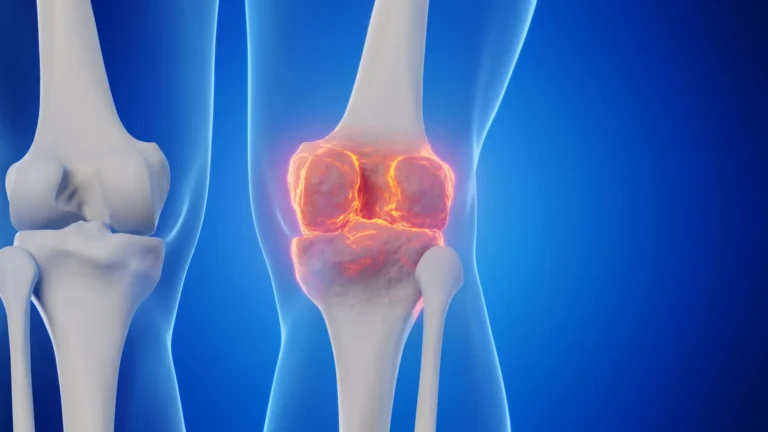
In the contemporary professional landscape, the traditional image of the office—characterized by rows of desks and stagnant, seated employees—is undergoing a radical transformation. As sedentary behavior is increasingly classified by medical professionals as a critical health risk, organizations worldwide are pivoting toward “kinetic work environments.” From the adoption of walking meetings to the implementation of active workstations and mandatory movement breaks, the modern workplace is shifting from a static space into a dynamic arena of physiological engagement.
This movement represents a fundamental departure from the 20th-century reliance on "compensatory exercise"—the idea that one can sit for ten hours and negate the damage with a one-hour gym session. Instead, corporations are embracing the philosophy of "movement snacking," the integration of short, frequent bursts of physical activity into the standard workday to bolster health, cognitive function, and organizational productivity.
The Main Facts: Defining the Kinetic Shift
The rise of the active workplace is not merely a trend in office design; it is a direct response to the burgeoning field of sedentary physiology. Research has consistently demonstrated that the human body is not biologically optimized for the 40-hour seated work week.
At the core of this transition are three primary initiatives:
- Walking Meetings: Replacing the boardroom table with a lap around the office or a virtual walking call, which has been shown to boost creativity and reduce hierarchical tension.
- Active Workstations: The deployment of standing desks, treadmill desks, and under-desk pedal exercisers that allow employees to maintain low-intensity activity while performing cognitive tasks.
- Scheduled Movement Breaks: Utilizing software prompts or team-wide culture shifts to mandate five-minute intervals of stretching or calisthenics every hour.
The impetus for this shift is a growing body of evidence linking prolonged sitting to metabolic dysfunction, cardiovascular disease, and musculoskeletal disorders. By re-engineering the environment, companies are attempting to mitigate these risks while simultaneously tapping into the neurological benefits of physical activity, such as increased cerebral blood flow and the release of brain-derived neurotrophic factor (BDNF).
A Chronology of the Sedentary Crisis and the Active Response
The journey toward the "kinetic office" did not happen overnight. It is the result of decades of evolving labor patterns and scientific discovery.
The Era of Static Optimization (1950s–1990s)
Post-WWII office culture prioritized ergonomics in the form of chair comfort, focusing on lumbar support rather than movement. The introduction of personal computing in the 1980s further anchored workers to their desks, cementing the sedentary nature of the "knowledge economy."
The "Sitting is the New Smoking" Paradigm (2000s–2010s)
In the early 21st century, epidemiological studies began to surface, suggesting that even individuals who exercised regularly suffered adverse health effects if they remained sedentary for the remainder of the day. Dr. James Levine of the Mayo Clinic coined the term "Non-Exercise Activity Thermogenesis" (NEAT), providing the scientific framework for why low-intensity, non-structured movement matters.
The Remote-Work Pivot (2020–2022)
The global pandemic acted as an accelerant. With the disappearance of the commute—often the only "active" part of a worker’s day—remote employees reported record levels of stagnation. This led to a surge in home-office ergonomics and the popularization of virtual walking meetings as a way to combat "Zoom fatigue."
The Integrated Wellness Era (2023–Present)
Today, movement is no longer seen as a distraction but as a performance enhancer. Leading organizations are now integrating movement goals into their corporate wellness software, gamifying physical activity to foster team cohesion in hybrid work environments.
Supporting Data: The Case for Movement
The argument for active workplaces is bolstered by compelling metrics that bridge the gap between human biology and corporate output.
Metabolic Impact
Studies published in the Journal of the American College of Cardiology indicate that standing or walking for just two minutes every hour can lower blood glucose and insulin levels compared to remaining seated. For the workforce, this translates to reduced afternoon "slumps" and more stable energy levels throughout the day.
Cognitive and Creative Gains
A seminal study conducted at Stanford University found that creative output increases by an average of 60% when participants are walking versus sitting. The rhythmic nature of walking promotes a state of "divergent thinking," allowing for more fluid idea generation. This data has been a primary driver for tech firms and creative agencies that prioritize innovation as their core product.
Productivity and Absenteeism
Data from the National Institute for Occupational Safety and Health (NIOSH) suggests that organizations providing active workstations see a measurable decrease in musculoskeletal pain, which is one of the leading causes of workplace absenteeism. Employees who participate in active wellness programs report a 25% higher job satisfaction rate, suggesting that the psychological benefit of feeling "cared for" is as potent as the physiological benefit of moving.
Official Responses and Corporate Adoption
The adoption of these initiatives has moved from fringe health-tech companies to the Fortune 500. However, the reception has been nuanced.
Corporate Leadership Perspectives
CEOs are increasingly viewing wellness as a retention tool. In a recent survey of HR leaders, 68% stated that they plan to incorporate "well-being infrastructure"—such as standing desks and designated "movement zones"—into their office redesigns for 2025. The consensus among leadership is that physical movement is a low-cost, high-return investment in human capital.
The Medical Community’s Stance
Public health agencies, including the American Heart Association (AHA), have begun issuing formal guidelines on "sedentary time." The medical consensus is clear: "Move more, sit less." However, experts caution against "over-activity," noting that active workstations should not replace the need for proper posture and that sudden transitions to standing-only work can cause foot and back issues if not managed with a gradual "on-ramp" period.
Employee Feedback
While many employees embrace the change, there is a segment of the workforce that reports concerns regarding "performative wellness." Employees emphasize that the culture must support movement—meaning they should not feel penalized for taking a ten-minute walk during a workday. For these initiatives to succeed, they must be culturally sanctioned by management, not just physically available.
The Broader Implications: Redefining "Work"
The shift toward the kinetic office has profound implications for the future of society.
The De-Stigmatization of Movement
For decades, the "hustle culture" narrative suggested that constant motion at a desk was the only indicator of productivity. The kinetic workplace effectively kills this myth. By rewarding movement, companies are signaling that they value the quality of output over the appearance of labor. This is a vital step toward a more sustainable work culture.
Urban and Architectural Impact
The demand for active workplaces is influencing commercial real estate. Developers are now prioritizing "walkable" office floor plans, incorporating stairwells that are aesthetically pleasing and central to the office flow, and creating "third spaces" that encourage informal, standing collaborations. The office of the future is being designed to prevent stillness.
Health Equity and Accessibility
A critical challenge remains: ensuring that movement initiatives are inclusive. Not all employees have the same physical capabilities, and wellness programs must be designed with universal accessibility in mind. As companies refine their policies, they are increasingly focusing on "inclusive movement"—ensuring that everyone, regardless of physical ability, has the opportunity to engage in a healthier workday.
Conclusion: The Path Forward
The integration of movement into the professional environment is not a fleeting fad. It is an evolutionary necessity. As the nature of work becomes increasingly cerebral and digital, the physical body risks being left behind. By creating environments that respect our biological need for motion, organizations are not only improving the health of their employees but are also unlocking new levels of creativity, resilience, and engagement.
The "kinetic office" of tomorrow will be defined by its fluidity. It will be a place where the barrier between the gym and the desk is permanently dissolved, replaced by a workspace that acknowledges the simple truth: a moving mind is a thinking mind, and a healthy body is the foundation of a thriving career. As we look toward the future of labor, the most successful organizations will be those that recognize that when their people move, their business moves forward.