By Randall Dwenger, M.D.
In the span of a single generation, the American cultural landscape regarding cannabis has shifted from the fringes of the counterculture to the center of a multibillion-dollar retail industry. With more than 37 states now permitting medical marijuana and over 20 states sanctioning recreational use, the legal framework has fundamentally altered the social perception of the drug.
However, as we adapt to the "new normal" of omnipresent dispensaries and mainstream consumption, a dangerous misconception has taken root: the belief that cannabis is inherently "safe." For the adolescent and young adult brain, which remains in a critical stage of neurobiological development well into the mid-twenties, this shift in perception is not merely inaccurate—it is a public health crisis. The intersection of skyrocketing potency, aggressive marketing, and ubiquitous access is creating a perfect storm that threatens the long-term mental and physical well-being of the next generation.
The Evolution of the Cannabis Market: A Chronology of Growth
The transformation of cannabis from a controlled substance to a commercial juggernaut has been swift and relentless.
The Early Regulatory Shift
The trajectory began with the early adoption of medical marijuana laws, which initially positioned the drug as a therapeutic tool for chronic pain and terminal illness. However, the pivot toward recreational legalization—starting with states like Colorado and Washington in 2012—fundamentally changed the business model.
The Fiscal Explosion (2019–2025)
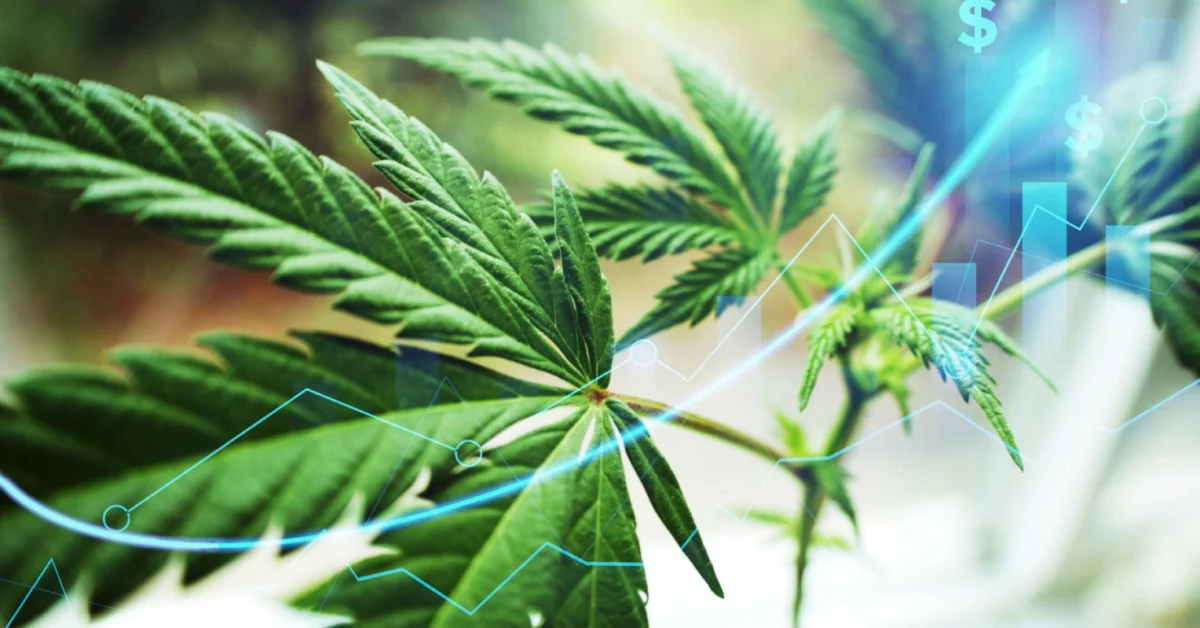
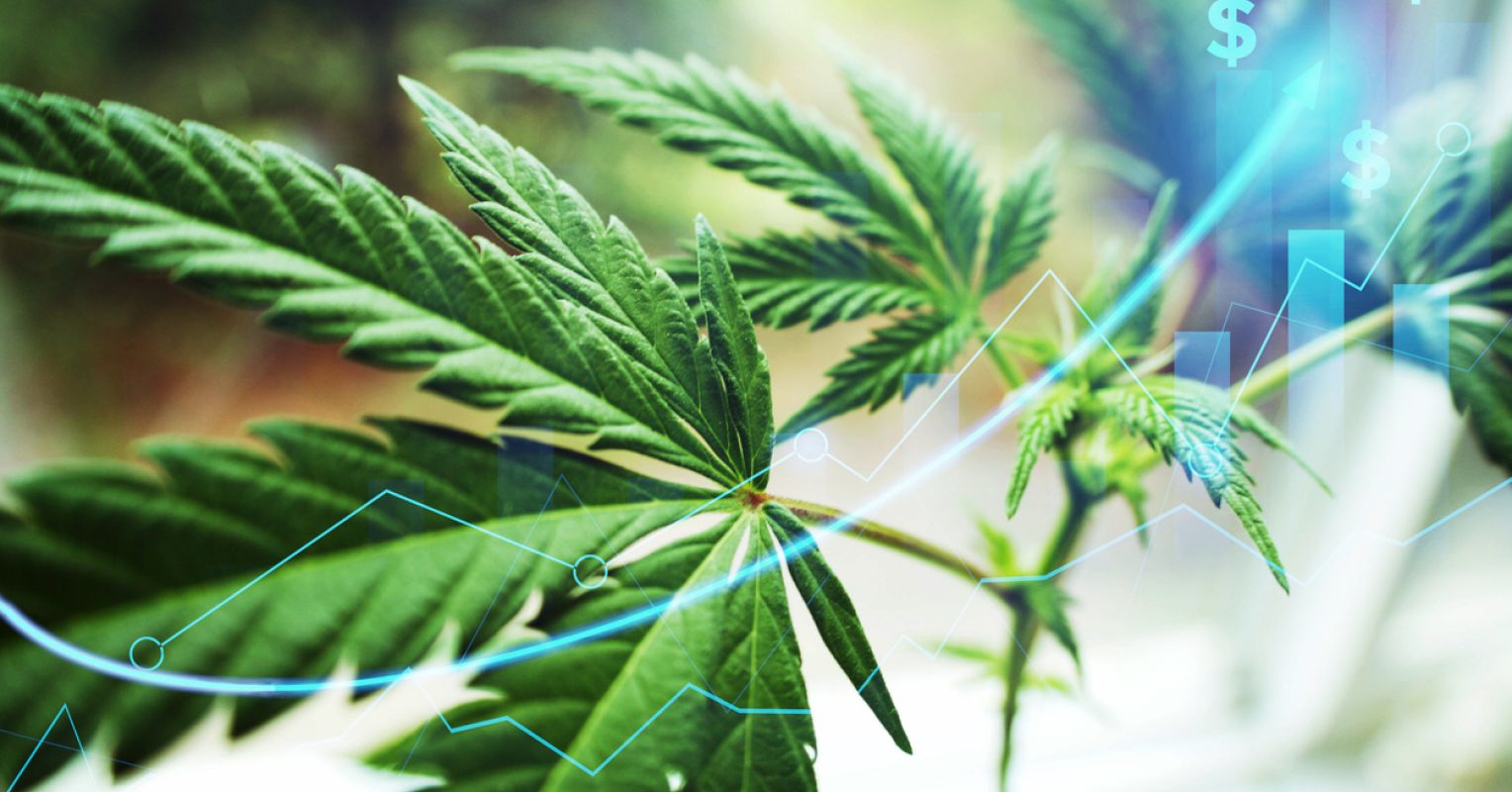
By 2020, the industry had matured into a financial powerhouse. According to data from New Frontier Data, legal cannabis sales in the United States hit $17.5 billion in 2020, representing a staggering 46 percent increase over 2019 figures. Experts now project that the market will balloon to $41.5 billion by 2025, fueled by state-level tax revenue and an expanding consumer base.
Regional Case Studies: The Northeast
The Northeast has recently become the epicenter of this rapid commercial expansion. In Connecticut, adult-use sales commenced in January 2023, generating $5 million in the first month alone; by May, that monthly figure had more than doubled. Similarly, New Jersey reported $180 million in legal sales by mid-2023, while New York State is projected to generate $4.2 billion in annual revenue as its licensing process stabilizes.
Beyond the legal market, a shadow economy has emerged. In New York City alone, the proliferation of over 1,400 unlicensed shops compared to a handful of legal retailers highlights the difficulty of regulating a market that has expanded faster than local governments can manage.
Supporting Data: The Rising Tide of Consumption
The normalization of cannabis is reflected in the raw usage statistics. In 2012, there were an estimated 28 million marijuana users in the United States. By 2020, that figure surged to 47 million, and current projections suggest that over 52 million Americans are now regular consumers.
The most concerning demographic shift is occurring among the youth. Studies indicate that approximately 2.5 million adolescents between the ages of 12 and 17 use marijuana regularly. Perhaps more startling is that 30.5 percent of 12th graders reported using cannabis within the past year. This is not an experimental hobby; for millions of young people, it is becoming a standard lifestyle fixture.
Marketing and Accessibility
The surge in use is not coincidental; it is the result of sophisticated, omnipresent marketing. Cannabis companies have mastered the use of social media and digital advertising, often finding ways to bypass traditional restrictions to target younger audiences. Furthermore, the physical landscape has been transformed. A drive through areas like Western Massachusetts reveals a saturation of billboards, with dispensaries competing for visibility through slogans like "Voted Best in the Berkshires" or promises of "Better Health." This pervasive advertising reinforces the false narrative that these products are as benign as common consumer goods.
The Potency Paradox: Beyond the 1990s "Flower"
Perhaps the most significant difference between the cannabis of the past and the cannabis of today is its chemical composition. In the 1990s, the average THC concentration—the primary psychoactive compound—hovered around 4 percent. Today, standard market strains frequently contain between 15 and 30 percent THC, with highly processed concentrates, waxes, "dabs," and "shatter" reaching concentrations as high as 95 percent.
This is not the same substance that previous generations might have experimented with. High-potency THC acts as a sledgehammer to the neurological system, and the delivery methods—candy-like edibles, THC-infused sodas, and colorful, vaporized products—are intentionally designed to appeal to younger consumers who are often uninitiated in the risks of such high concentrations.
The Neurobiological Implications: The Vulnerable Adolescent Brain
Despite the changes in legislation and marketing, the science of brain development remains constant. The human brain does not finish developing until approximately age 25. The final region to mature is the prefrontal cortex—the command center for judgment, impulse control, emotional regulation, and executive functioning.
Interference with Development
When a teen introduces high-potency cannabis into their system, they are effectively interfering with the wiring of this critical region. Studies from Columbia University and other leading research institutions have established that regular recreational use during adolescence is associated with a two-to-four-fold increase in the risk of developing psychiatric disorders, including severe depression and suicidality.
The Psychosis Connection
We are seeing a disturbing rise in cannabis-induced psychosis. Users, particularly those using high-potency concentrates, are presenting with acute episodes of paranoia, confusion, and terrifying delusions. While the clinical link between cannabis and schizophrenia remains a subject of ongoing research, the data is unequivocal regarding the vulnerability of the adolescent brain during the late teens and early twenties. Often, teens use cannabis to self-medicate feelings of anxiety or depression, but in doing so, they create a feedback loop that exacerbates the very mental health issues they are trying to escape.
Official Responses and the Need for Action
The medical and educational communities are calling for a renewed focus on prevention, even as the political tide leans toward further legalization.
The Role of Parents and Mentors
"Taking your own pulse" is the first step for any adult. A 2019 study from the University of Washington revealed that children of chronic marijuana users were 4.5 times as likely to use cannabis themselves, and 2.75 times as likely to use alcohol. The influence of parental behavior cannot be overstated. "Practicing what you preach" is the most effective deterrent available.
The "Gateway" Concern
We must move past the idea that marijuana is a harmless "rite of passage." It is frequently a gateway to the use of more dangerous substances, including opioids, benzodiazepines, and stimulants. By normalizing casual use, we lower the barrier for entry into a world of substance use that many teens are not biologically or emotionally equipped to navigate.
What Must Be Done: A Call to Advocacy
- Open Dialogue: Parents, teachers, and coaches must engage in frank, honest, and non-judgmental conversations with teens. These discussions should center on values, long-term health goals, and the reality of how these substances affect the developing brain.
- Increased Regulation: Policymakers must demand stricter enforcement on unlicensed shops and tighter restrictions on marketing tactics that appeal to youth.
- Professional Support: For those already struggling, early intervention is critical. If a teen exhibits signs of a cannabis use disorder—such as withdrawal from activities, declining academic performance, or changes in mood—seeking professional psychiatric support is not an option; it is a necessity.
The legalization of cannabis may be a reality of our current economy, but it does not have to be the death knell for our youth’s cognitive health. By stripping away the veneer of "safe" marketing and addressing the hard science of neurodevelopment, we can provide the next generation with the tools they need to make informed, healthier choices. We must prioritize their brains over the industry’s bottom line.