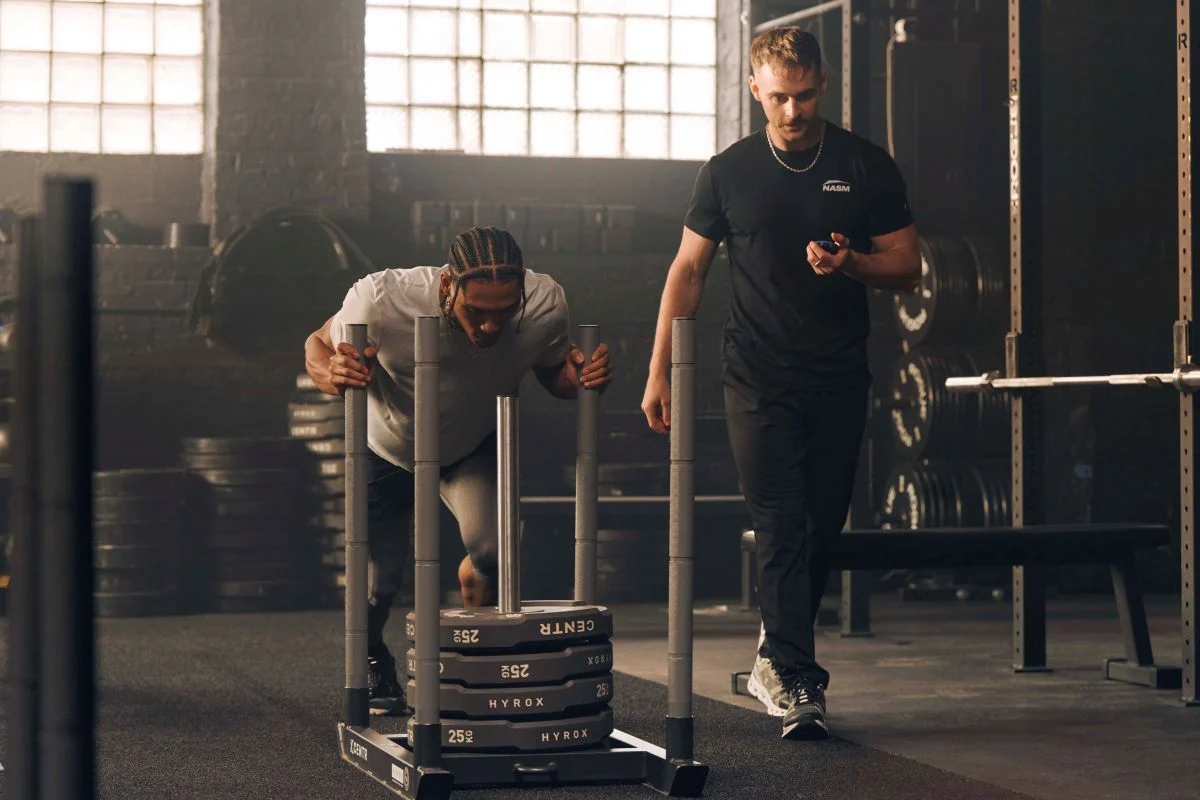
The stereotypical image of the personal training client—a young, athletic individual focused primarily on rapid muscle hypertrophy or aggressive weight loss—is officially a relic of the past. As the fitness industry pivots toward a new era, the demographics seeking professional guidance are undergoing a radical transformation.
The 2026 State of the Personal Trainer report, a comprehensive analysis compiled by the National Academy of Sports Medicine (NASM) and bolstered by industry insights, reveals that the modern fitness consumer is significantly older, increasingly focused on functional longevity, and frequently entering a gym environment for the very first time. For fitness professionals, this shift is not merely a change in clientele; it is a fundamental realignment of the business of health, requiring a departure from aesthetic-focused programming toward holistic, clinically informed coaching.
Main Facts: The Changing Face of the Gym Floor
The current landscape of the fitness industry is defined by three primary pillars: the democratization of fitness for the "never-ever" (first-time gym-goers), the prioritization of mental health over physical appearance, and the necessity of longevity-focused movement.
Data suggests that the traditional "bodybuilder" model of personal training is being eclipsed by the "wellness coach" model. While aesthetics remain a factor, the primary drivers for new client acquisitions are now rooted in pain management, stress reduction, and the desire to maintain independence well into old age. This trend is particularly evident in large-scale fitness facilities, where the sheer volume of new, inexperienced members has forced a rapid evolution in how trainers approach the initial consultation and onboarding process.
Chronology: The Road to the 2026 Shift
The trajectory toward this demographic shift did not happen overnight. The industry has been slowly pivoting for years, accelerated by a series of global and cultural catalysts:
- 2020–2022 (The Pandemic Catalyst): The sudden closure of fitness facilities brought an abrupt end to traditional group classes. During this time, the "at-home" fitness boom introduced millions of older adults to the concept of home-based guided exercise.
- 2023 (The Hybrid Transition): As gyms reopened, a segment of the population that had been sedentary for years returned with new health anxieties and a heightened awareness of their physical limitations. This was the first major wave of "functional" seekers.
- 2024–2025 (The Knowledge Gap): Trainers began reporting that their existing skill sets—often built around sports performance—were failing to address the specific needs of clients dealing with chronic joint pain, metabolic issues, and sedentary-induced mobility restrictions.
- 2026 (The Specialization Era): The industry officially recognizes the "Specialization Mandate." Generalist trainers are finding themselves increasingly uncompetitive, while those who have pursued niche certifications (Corrective Exercise, Senior Fitness, Women’s Fitness) are seeing their client rosters fill faster than ever before.
Supporting Data: By the Numbers
The 2026 State of the Personal Trainer report provides empirical evidence of this professional shift. NASM’s internal tracking of certification enrollments serves as a barometer for where the industry’s most successful professionals are placing their bets.
Enrollment Growth (Year-to-Date)
- Women’s Fitness Specialization: +28%
- Senior Fitness Specialization: +24%
- Performance Enhancement Specialist (PES): +22%
- Corrective Exercise Specialist (CES): +20%
These figures demonstrate a clear movement toward "clinical-lite" capabilities. Trainers are no longer satisfied with knowing how to count reps; they are investing in the scientific literacy required to safely train clients with complex health histories. The data also highlights a divergence between employee-trainers (those working for big-box clubs) and independent trainers. Employee-trainers are seeing a faster influx of "first-time gym goers," as they are the first point of contact for the general public, whereas independent trainers are increasingly managing clients who have "graduated" from physical therapy or need long-term anxiety management.
Official Perspectives: NASM’s Assessment
Industry leaders at NASM emphasize that this transition is a net positive for the profession. By moving away from the "one-size-fits-all" hypertrophy block, the industry is elevating its status from a luxury service to a healthcare necessity.
"The professionals driving this educational surge understand that generalized programming is becoming obsolete," states an NASM spokesperson. "You cannot apply a high-intensity bodybuilding split to a 68-year-old first-time gym-goer or a female client navigating complex postpartum physiological changes. The market is demanding expertise, not just enthusiasm."

The organization notes that the "rush to specialize" is a defensive and offensive maneuver. Defensively, it protects the trainer against the threat of AI-generated workout templates, which can easily replicate generic aesthetic programming. Offensively, it allows the trainer to charge a premium for specialized knowledge that machines simply cannot provide—the ability to assess, interpret, and adjust movement patterns in real-time.
Implications: The Future of the Fitness Career
What does this mean for the individual personal trainer in 2026 and beyond? The implications are three-fold:
1. The Death of the Generalist
The "Generalist" trainer—the one who offers the same fat-loss program to every client regardless of age, injury history, or gender—will likely see a decline in both client retention and earning potential. The modern consumer is more educated, has access to more information than ever, and is increasingly discerning. They can spot a lack of personalization from a mile away.
2. Behavioral Coaching as a Core Competency
Because the new demographic often arrives with high levels of "gymtimidation" (gym intimidation) and a lack of experience, the trainer’s role is shifting toward that of a behavioral psychologist. Success is no longer measured solely by a client’s deadlift PR; it is measured by their adherence, their confidence on the gym floor, and their ability to integrate movement into their lifestyle. The trainer who can help a client overcome the mental hurdle of stepping into a weight room is more valuable than the one who simply writes the best sets and reps.
3. Longevity as the Primary Product
"Functional longevity" has become the industry’s new gold standard. Clients want to be able to pick up their grandchildren, carry groceries without back pain, and maintain cardiovascular health into their 80s. This requires a deep understanding of joint degradation, mobility limitations, and the specific physiological markers of aging. Trainers who market themselves as experts in "living well" rather than "looking good" are currently capturing the fastest-growing market segments.
Conclusion: Adapting to the New Reality
The fitness industry has entered a phase of professional maturity. The rapid rise in specialized certifications is not a fleeting trend; it is a long-term response to a global population that is living longer, working more sedentary jobs, and realizing that health is a necessity rather than a hobby.
For the modern trainer, the path forward is clear: specialization is no longer an optional upgrade—it is the prerequisite for relevance. Whether it is through mastering corrective movement patterns to alleviate chronic pain, understanding the unique biomechanics of the female athlete, or designing safe, effective programs for the active aging population, the tools for career growth are available.
The fitness professionals who embrace this shift—those who view themselves as facilitators of longevity rather than just architects of physique—will be the ones who define the industry for the next decade. As the market moves toward more sophisticated, needs-based programming, the opportunity for career stability and high-impact coaching has never been greater.
For those looking to secure their future in this evolving landscape, the time to pivot is now. Explore the specialized credentials that align with your passion and begin the transition from general trainer to indispensable expert. Your future clients, and your career, will thank you.