







In the evolving landscape of oncology, few challenges are as persistent as Epstein-Barr virus (EBV)-associated lymphomas. These aggressive malignancies have long frustrated clinicians, often evading the potent reach of modern immunotherapy due to their "stealth" nature. Now, a promising new initiative led by Dr. Herman Van Besien, MD, of Weill Medical College of Cornell University, seeks to change that narrative. As the recipient of the prestigious Oliver W. Press, MD, PhD Memorial Fellowship, Dr. Van Besien is pioneering a strategy to "reactivate" dormant viral markers, potentially turning previously untreatable cancers into targets for precision medicine.
Main Facts: The Challenge of the Invisible Malignancy
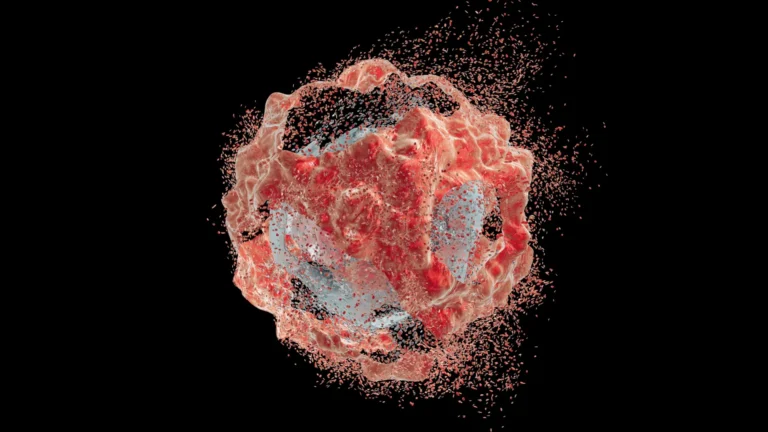
The primary hurdle in treating EBV-related lymphomas lies in their biological profile. Immunotherapies—such as chimeric antigen receptor (CAR) T-cell therapy and checkpoint inhibitors—rely heavily on the immune system’s ability to recognize specific markers on the surface of cancer cells. However, many EBV-positive lymphoma cells exist in a state of viral latency, expressing insufficient markers to trigger an immune response.
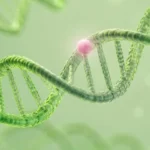
Dr. Van Besien’s research project addresses this fundamental flaw. His objective is to pharmacologically "reactivate" these viral markers. By inducing the expression of viral proteins that have been silenced, he aims to illuminate the lymphoma cells, making them visible to the immune system.
"Many EBV-related lymphomas do not express enough viral markers for immune-based therapies, which are currently one of the most effective treatment options," explains Dr. Van Besien. "If successful, this could expand the pool of patients eligible for immune-targeted therapies, potentially improving survival rates and reducing the need for highly toxic treatments like chemotherapy."
Chronology: A Path Forged in Compassion and Innovation
The trajectory of Dr. Van Besien’s career is one defined by both familial legacy and a profound commitment to academic rigor.
The Early Foundation
Growing up in a household where medicine was a way of life, Dr. Van Besien is a second-generation hematologist-oncologist. He credits his parents’ tireless compassion as the catalyst for his own professional journey. Observing their patient interactions early on instilled in him the understanding that medicine is as much about human connection as it is about clinical excellence.
Academic Evolution
During his medical school and residency years, Dr. Van Besien entered the field at a transformative moment in oncology. He witnessed the rise of immunotherapy as the "fourth pillar" of cancer treatment, standing alongside surgery, chemotherapy, and radiation. This era solidified his interest in adoptive T-cell therapy—a field that allows researchers to engineer or enhance a patient’s own immune cells to combat disease.
The Lymphoma Scientific Research Mentoring Program (LSRMP)
A critical juncture in his career occurred when he joined the Lymphoma Scientific Research Mentoring Program. This fellowship served as the incubator for his current work, providing him with the institutional support and collaborative network necessary to refine his focus on EBV-directed T-cell therapy. The mentorship helped him synthesize his twin passions for cellular therapy and lymphoma management, ultimately leading to the research project he spearheads today.
Supporting Data: Why Reactivation Matters
The shift toward "viral-directed" therapy is supported by a growing body of evidence regarding how viruses interact with the human immune system. In the context of EBV, the virus often resides within B-cells, occasionally triggering abnormal proliferation that leads to lymphoma.
Current clinical data suggests that when patients with aggressive lymphomas are treated with standard chemotherapy, the relapse rates remain high, and the toxicity profile can be debilitating for elderly or immunocompromised patients. Dr. Van Besien’s research model—using epigenetic modifiers or small molecules to force the expression of latent viral antigens—represents a shift toward "biological priming."
By increasing the density of these viral markers, the therapeutic window for T-cell therapies expands. This approach is not merely theoretical; it leverages existing breakthroughs in synthetic biology and immunology to ensure that the body’s "search and destroy" mechanisms are properly directed toward the malignancy, minimizing collateral damage to healthy tissue.
Official Responses and Perspectives
The research has garnered significant attention from the oncology community, particularly regarding the potential for clinical trial translation.
The Physician-Scientist Perspective
Dr. Van Besien remains deeply optimistic about the future of the field. "I continue to be inspired by the clever and creative ways that we are using the immune system to fight lymphoma," he notes. "I am confident that we will continue to refine these therapies in ways that will eventually lead to a cure."
The Role of the Foundation
The Lymphoma Foundation, through its support of the Oliver W. Press, MD, PhD Memorial Fellowship, has played an instrumental role in facilitating this work. The fellowship is designed to support early-career researchers who demonstrate both clinical proficiency and the potential for high-impact laboratory breakthroughs. For Dr. Van Besien, this support is not just financial; it is a professional mandate. "I feel very fortunate to have the continued support of the Foundation, and this support inspires me to continue along the challenging path of a physician-scientist," he says.
Implications: Moving Toward a Clinical Reality
The ultimate goal of Dr. Van Besien’s research is the translation of laboratory findings into meaningful clinical trials. This transition is complex, involving rigorous testing to ensure that the "reactivation" process is both safe and effective in humans.
Expanding Patient Access
Currently, many patients with EBV-associated cancers are excluded from T-cell therapy clinical trials because their tumors lack the requisite target antigens. If Dr. Van Besien’s methods prove effective, these patients could gain access to life-saving cellular therapies. This would represent a major paradigm shift, potentially moving immunotherapy from a niche treatment to a first-line option for a broader range of lymphoma cases.
Reducing Toxicity
One of the most promising implications of this research is the potential to move away from systemic, high-dose chemotherapy. By utilizing a patient’s own immune cells—primed by targeted reactivation—the treatment could offer a more precise, localized approach to killing cancer cells. This would significantly improve the quality of life for survivors, who often face long-term health issues stemming from the harsh side effects of traditional cytotoxic drugs.
Future Outlook
As Dr. Van Besien looks toward the next phase of his career, he plans to focus on the combination of viral-directed cellular therapies with existing standard-of-care treatments. This "synergistic approach"—where the immune system is primed while the tumor is simultaneously weakened—could prove to be the "silver bullet" required to treat even the most resistant forms of lymphoma.
In the pursuit of a cure, the work being conducted at Weill Medical College stands as a testament to the power of persistent, innovative research. By asking the right questions about the biology of the Epstein-Barr virus, Dr. Van Besien is not only challenging the status quo but is also providing hope to countless patients waiting for the next breakthrough in cancer care. As the medical community watches the progress of his fellowship, the consensus is clear: we are entering an era where the most effective cancer treatments may well be those that empower our own immune systems to finish the job.