








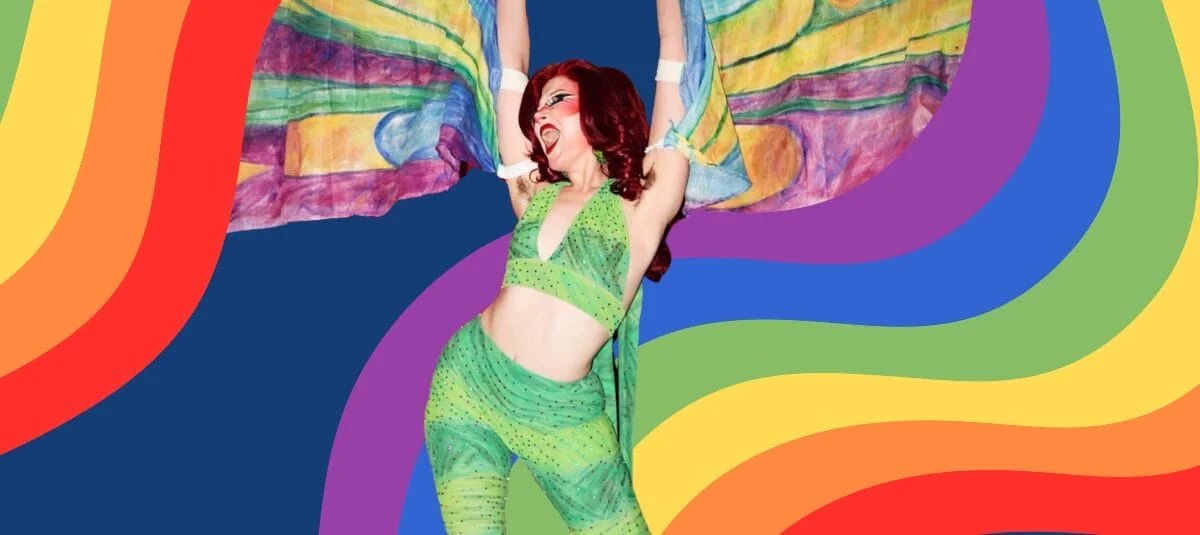
Main Facts: More Than Glitter and Glue
In the contemporary cultural landscape, drag has transcended its origins in underground nightlife to become a global phenomenon. However, beneath the layers of meticulously applied contour, shimmering sequins, and towering wigs lies a socio-psychological infrastructure that serves as a lifeline for the LGBTQ+ community. For many performers, drag is not merely an artistic outlet; it is a gateway to "chosen family," a specialized form of social support that provides the emotional and psychological security often missing from traditional familial structures.
The essence of the drag community is rooted in the concept of mentorship and kinship. Unlike many professional industries where competition is the primary driver, the drag scene—particularly at the local level—operates through a system of "houses" or "families." This structure, which traces its lineage back to the Black and Latino ballroom culture of the 20th century, creates a multi-generational network where experienced performers (Drag Mothers and Fathers) mentor newcomers (Drag Children). These relationships extend far beyond the stage, encompassing financial advice, emotional support, and a sense of belonging that is critical for mental health.
Recent sociological observations suggest that these spaces serve as "third places"—social environments separate from the two usual social environments of home and the workplace. For queer individuals, who may face "minority stress" in traditional third places, the drag bar or the queer art collective becomes a sanctuary where the "odd one out" becomes the norm.
Chronology: From Spectator to Spotlight
The journey into the heart of the drag community often follows a distinct trajectory, beginning with the search for safe spaces. For many, the first step is entering a queer-centered environment, such as a gay bar, which serves as the initial point of contact with the community.
The Initial Encounter
For the narrator of this story, the journey began over two and a half years ago. The first visit to a drag show coincided with their first time in a gay bar. This moment is often described as a "homecoming"—a sudden realization of what it feels like to exist in a space where one’s identity is not just tolerated, but celebrated. For a full year, the individual remained a spectator, observing the local scene, learning the unspoken rules of the community, and building a rapport with the performers.
The Debut
Approximately 18 months ago, the transition from spectator to participant occurred. The "first time in drag" is a rite of passage marked by a sensory overload: the rush of the spotlight, the tactile sensation of the costume, and the temporal distortion that often accompanies high-stakes performance. However, the most significant development occurred after the music stopped. The immediate aftermath of a debut performance is typically characterized by an "outpouring of support," where the hierarchy of the stage dissolves into a communal embrace.
Integration and Kinship
Following the debut, the performer was rapidly integrated into the "drag family" structure. This included the adoption of a "Drag Mom," "Drag Aunts," and even a "Drag Godmother." This timeline reflects a common pattern in the queer experience: the rapid acceleration of intimacy and trust when individuals find a group that shares their lived experiences. Over the past year and a half, these relationships have solidified, turning the local club’s patio into a space that feels like a "family reunion," complete with the constructive criticism and unconditional support typical of a healthy domestic unit.
Supporting Data: The Psychological Necessity of Chosen Family
The importance of the drag community is backed by significant psychological and sociological data regarding LGBTQ+ mental health. The concept of "Chosen Family" is not just a poetic term; it is a recognized survival strategy.
Minority Stress and Resilience
According to the Minority Stress Model, developed by researcher Ilan Meyer, LGBTQ+ individuals experience chronic stress due to stigma, prejudice, and discrimination. This stress leads to higher rates of anxiety, depression, and substance abuse. However, the model also identifies "community connectedness" as a primary buffer against these negative outcomes. Drag families provide this connectedness by validating the individual’s identity and providing a social safety net.
The Role of Mentorship
Data from organizations like The Trevor Project consistently show that LGBTQ+ youth who have at least one accepting adult in their lives are 40% less likely to attempt suicide. In the drag world, the "Drag Mother" fulfills this role. This mentorship covers:
- Skill Acquisition: Teaching the technical aspects of the craft (makeup, sewing, performance).
- Historical Continuity: Passing down the history of queer resistance and art.
- Crisis Intervention: Providing a place to stay or emotional guidance during personal hardships.
Statistical Impact of Safe Spaces
A study published in the Journal of Community Psychology indicates that participation in LGBTQ+-specific social groups significantly increases an individual’s "collective self-esteem." For performers, the act of "transformation" into a drag persona allows for an exploration of gender and identity that can be therapeutic, leading to higher levels of self-actualization in their "out of drag" lives.
Official Responses: The Institutional View on Queer Spaces
Mental health organizations and advocacy groups have increasingly recognized the role of grassroots community spaces in public health.
The Active Minds Perspective
Active Minds, a leading nonprofit organization dedicated to promoting mental health for young adults, emphasizes that "mental health mobilization" often happens in non-clinical settings. By encouraging individuals to share their stories of finding community in drag, the organization acknowledges that peer support and artistic expression are vital components of a holistic mental health strategy. They view these personal narratives as "blueprints" for others who are struggling with isolation.
The Shift Toward Year-Round Support
Advocacy groups are also shifting their focus from "Pride Month" (June) to year-round community building. The official stance of many LGBTQ+ NGOs is that while large-scale events are important for visibility, the "sober queer spaces," "art collectives," and "local venues" are where the real work of community maintenance happens. There is a growing call for the protection of these spaces, especially in the face of recent legislative challenges targeting drag performances in various jurisdictions.
Implications: The Future of Queer Social Infrastructure
The narrative of the drag performer highlights several critical implications for the future of the LGBTQ+ community and society at large.
1. The Resilience of "Third Places"
As the world becomes increasingly digital, the physical "third place" is disappearing. For the queer community, the loss of these spaces (bars, coffee shops, theaters) is not just a loss of entertainment; it is a loss of social safety. The survival of the drag scene is intrinsic to the survival of the queer social fabric. The implication is clear: protecting local venues is a matter of public health.
2. The De-commercialization of Pride
There is a burgeoning movement within the community to return to the roots of Pride—focusing on local, grassroots connections rather than corporate-sponsored parades. The author’s urge to "find the community spaces around them" reflects a desire for authentic, year-round engagement. This suggests a future where queer identity is sustained through daily interactions and local mentorship rather than once-a-year celebrations.
3. Drag as a Tool for Mental Health Advocacy
As more performers speak openly about the "life-changing" nature of the craft, drag is being recognized as a legitimate form of expressive arts therapy. The implication is that mental health outreach should meet people where they are—in the clubs, on the stages, and in the "houses." By framing drag as a space for "chosen family" and "safety," the community can better advocate for the protection of these performances against political opposition.
4. Combating the Epidemic of Loneliness
The U.S. Surgeon General recently declared an "epidemic of loneliness and isolation." The drag community’s model of "adopting" newcomers and providing a structured sense of belonging offers a potential solution that could be mirrored in other marginalized communities. The "family reunion" atmosphere described on the club patio is the antithesis of the isolation currently plaguing modern society.
In conclusion, the story of one performer’s journey into drag is a microcosm of a much larger social phenomenon. Drag is a complex tapestry of art, history, and radical kinship. It provides a space where the "weird" become the "family," and where the spotlight does more than illuminate a costume—it illuminates a path toward healing, belonging, and a more resilient sense of self.
Get Involved
Do you have a story about how community saved you? Ever thought about how your mental health journey could be the blueprint someone else needs? Tell your story and show the world what mental health mobilization looks like today. Find out how to submit your story on the Active Minds website.