




In the modern era, the landscape of adolescent development has become increasingly fraught with digital pressures, academic demands, and a rising tide of substance use disorders (SUD) and compulsive behaviors. For parents, educators, and mental health professionals, the question of why young people turn to substances—and how to effectively intervene—is a pressing clinical and societal concern. Anthony Nave, a Licensed Clinical Social Worker and clinical supervisor, suggests that understanding this crisis requires moving beyond simple labels and viewing the adolescent experience through the lens of neurobiology and environmental context.
The Perfect Storm: Why Adolescent Addiction Occurs
Substance use disorders and process addictions—such as compulsive gambling, excessive internet use, or shopping—are rarely the result of a single "bad decision." Instead, they arise from an imbalance between risk factors and protective factors. When an adolescent’s life is saturated with stress, trauma, or a lack of stable guidance, the threshold for falling into addictive patterns drops significantly.
The Neurobiological Vulnerability
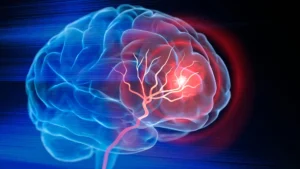
The primary biological driver of adolescent vulnerability is the uneven maturation of the brain. The adolescent brain is currently "under construction," characterized by a significant developmental gap between the limbic system and the pre-frontal cortex.
- The Limbic System (The "Go" System): This region is hyper-active during adolescence, flooding the brain with neurotransmitters that drive sensation-seeking, emotional intensity, and social motivation. It pushes the teenager toward novelty, peer connection, and risk-taking.
- The Pre-Frontal Cortex (The "Brake" System): Responsible for impulse control, executive function, emotional regulation, and abstract reasoning, this area is the last to fully mature.
Because the "gas pedal" is floored while the "brakes" are still being installed, adolescents are biologically predisposed to engage in high-risk behaviors. When substance use enters this environment, it does more than just alter mood; it interferes with the very scaffolding of the brain, potentially stunting the long-term development of the pre-frontal cortex.
Chronology of Progression: From Curiosity to Dependency
Addiction is rarely an overnight event. It is a process that typically follows a predictable, albeit often hidden, trajectory.
Phase 1: Exploration and Peer Alignment
Early in adolescence, the drive for autonomy leads to a natural distancing from primary caregivers. During this phase, teens seek validation from peers. If peer groups value substance use as a social currency or a coping mechanism, the teen is likely to experiment. At this stage, use may be occasional and experimental.
Phase 2: The Search for Relief
As academic and social pressures mount, adolescents may discover that substances provide a "chemical solution" to uncomfortable emotions. Whether it is social anxiety, depression, or the stresses of school, the substance becomes a tool for self-regulation. This is a critical pivot point where "experimental" use shifts toward "functional" use.
Phase 3: Neurochemical Adaptation
With repeated use, the brain begins to adapt. Tolerance develops, meaning more of the substance is required to achieve the same effect. At this point, the pre-frontal cortex is further compromised, weakening the teen’s ability to exert executive control over their impulses.
Phase 4: The Disorder
The transition to a Substance Use Disorder (SUD) is marked by a loss of control. The behavior is no longer a choice but a response to cravings and withdrawal. The teen’s life begins to revolve around the substance, leading to neglect of hobbies, declining grades, and a strained relationship with family.

Identifying the Signs: Distinguishing Puberty from Pathology
One of the greatest challenges for parents is distinguishing the natural, often erratic behavior of puberty from the red flags of addiction. While mood swings, social withdrawal, and secrecy are hallmarks of the teen years, the intensity and evidence of these changes are key differentiators.
Physical and Environmental Indicators
Parents should be vigilant for tangible evidence. This includes the discovery of paraphernalia such as vape pens, modified soda cans, bongs, or mysterious prescriptions. Additionally, behavioral changes such as missing household funds, unexplained debt, or the disappearance of small, valuable items are significant warning signs that a teen may be funding a habit.
Behavioral Red Flags
- Drastic Social Shifts: A sudden change in friend groups, particularly to older peers or those known for substance use.
- Emotional Lability: While mood swings are normal, extreme, uncharacteristic aggression or, conversely, profound apathy should be noted.
- Physical Decline: Notable changes in sleep patterns (insomnia or excessive sleeping), poor hygiene, or unexplained weight fluctuations.
- Academic Decline: A sudden drop in performance, loss of interest in extracurriculars, or frequent truancy.
The Communication Framework: Helping Without "Rescuing"
When a problem is identified, the response of the caregiver is the most critical variable in the recovery process. Anthony Nave emphasizes the importance of a "warm holding environment," where communication is prioritized over punishment.
The O.A.R.S. Method
Borrowing from Motivational Interviewing, caregivers can use the O.A.R.S. framework to foster productive dialogue:
- Open-ended questions: Ask questions that require more than a "yes" or "no" answer, allowing the teen to express their internal state.
- Affirmations: Validate their strengths and their efforts, even in the midst of struggle.
- Reflections: Repeat back what you hear to show you understand, which reduces defensiveness.
- Summaries: Wrap up the conversation by highlighting the teen’s goals and the path forward.
Avoiding the "Four Horsemen"
Psychologist Dr. John Gottman’s "Four Horsemen"—Criticism, Contempt, Defensiveness, and Stonewalling—are the primary catalysts for communication breakdown. If a parent approaches their child with judgment or withdrawal, the child is likely to retreat further into secrecy. Remaining curious, rather than accusatory, is the most effective way to keep the lines of communication open.
Implications for Long-Term Recovery
The journey to recovery is not merely about abstinence; it is about cognitive and emotional maturation. Because SUDs can arrest development, recovery requires a multi-pronged approach that addresses both the physical addiction and the underlying psychological needs.
Professional Intervention Pathways
- Community Support: Programs such as Alcoholics Anonymous (A.A.), Narcotics Anonymous (N.A.), SMART Recovery, and Dharma Recovery provide peer-based accountability, which is essential for the adolescent brain’s social drive.
- Clinical Continuum: Depending on the severity of the disorder, care may range from Intensive Outpatient Programs (IOP) to residential treatment. These programs offer individual and group therapy, where adolescents learn to identify triggers and develop healthy coping mechanisms.
- Psychiatric Support: Medication-Assisted Treatment (MAT) can be a vital component for some, helping to stabilize the brain’s chemistry while the teen engages in therapeutic work.
Conclusion: A Future-Focused Approach
The reality of adolescent addiction is daunting, but it is not a life sentence. Because the adolescent brain is plastic and still developing, it possesses a unique capacity for change and healing. By fostering an environment of curiosity, providing structured support, and understanding the neurobiological reality of the teen years, caregivers can play a pivotal role in helping young people regain their footing.
The path to recovery is not about "fixing" the child, but about providing the resources and the safe space they need to finish the work of growing up. With the right interventions, the "go" system of the adolescent brain can eventually be balanced by a fully matured "brake" system, allowing for a healthy, autonomous, and substance-free adulthood.