






By Investigative Desk
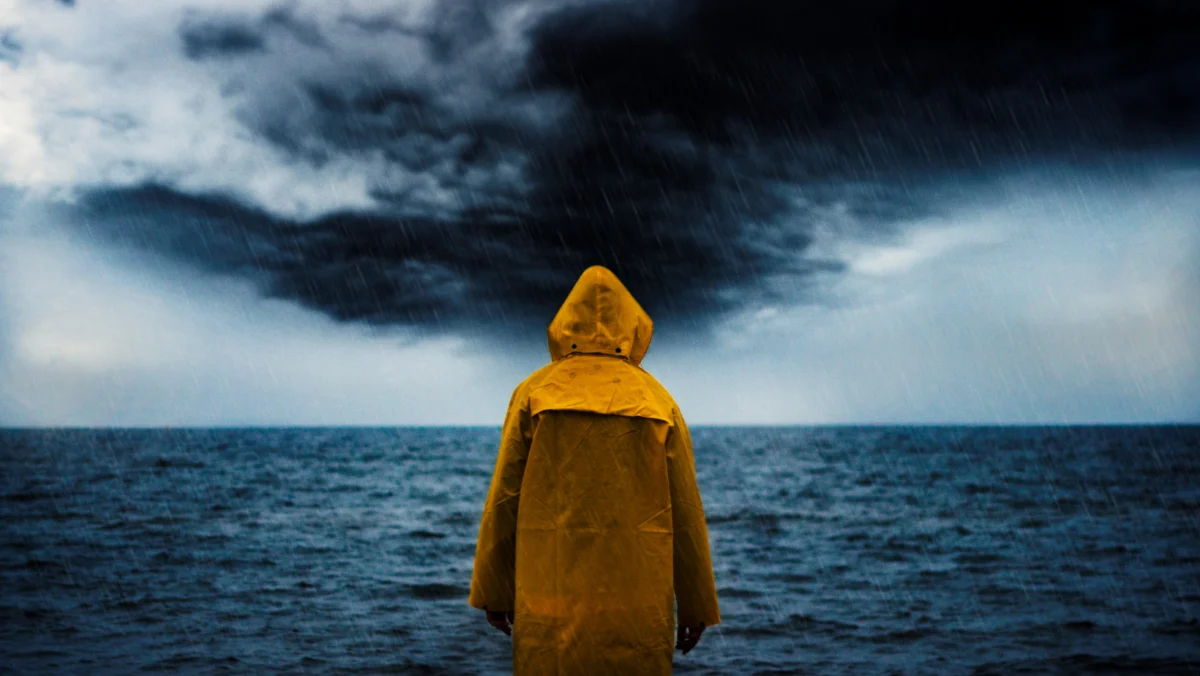
For millions living with chronic, progressive conditions, the weather is not merely a conversational backdrop or a logistical inconvenience; it is a visceral, biological antagonist. As atmospheric pressure shifts, signaling the arrival of storms, a silent struggle unfolds within the bodies of those living with invisible disabilities. For many, the horizon’s darkening clouds are not just a meteorological event—they are a clinical trigger for increased inflammation, heightened pain, and a profound existential reminder of the limitations imposed by their physical forms.
The Science of the Storm: Why Weather Impacts the Body
The connection between barometric pressure and physical pain is a phenomenon that has moved from the realm of folklore into the focus of modern clinical study. When a low-pressure system approaches, the atmospheric weight pressing against the human body decreases. In a healthy, robust body, tissues and joints remain unaffected. However, for those living with chronic conditions—ranging from Ehlers-Danlos Syndrome and arthritis to fibromyalgia and autoimmune disorders—the internal environment of the body often lacks the structural integrity to compensate for this external change.
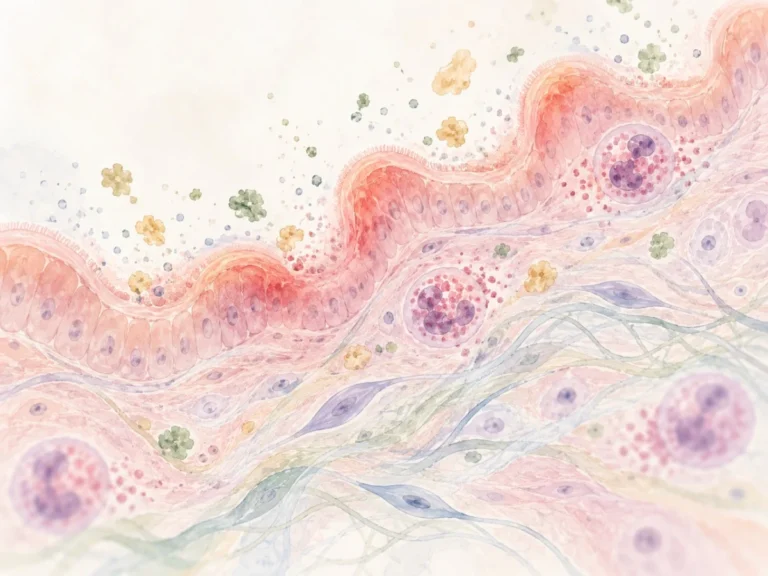
As external pressure drops, internal tissues may expand. In joints that are already inflamed or hypermobile, this expansion exerts pressure on nerve endings, triggering a cascade of symptoms. Chronic fatigue, localized edema, and sharp, shooting pains are common manifestations of this physiological instability.
The Chronology of an Atmospheric Crisis
To understand the daily experience of living with a progressive condition during inclement weather, one must look at the timeline of a typical "storm cycle" for a patient:
- The Pre-Storm Onset (24–48 hours prior): As the barometric pressure begins to fall, the body detects the subtle shift. Patients often report an immediate increase in systemic inflammation. This is characterized by the onset of "weather-migraines," a dull, persistent fatigue, and a heightened sensitivity to sensory input.
- The Event Horizon (During the Storm): As the precipitation begins, the physical environment transforms into a landscape of danger. For individuals with mobility issues, the presence of snow, ice, or even saturated, muddy ground presents a high-stakes risk of subluxation (partial dislocation) or total dislocation of joints. The simple act of traversing a sidewalk becomes a navigation of potential trauma.
- The Aftermath (Post-Storm): Even as the skies clear, the physiological hangover persists. The body, having expended vast amounts of energy to manage the pain and inflammation induced by the pressure drop, often enters a period of severe physical depletion.
Supporting Data: The Prevalence of Chronic Pain
According to data from the U.S. Centers for Disease Control and Prevention (CDC), an estimated 20% of U.S. adults suffer from chronic pain, with a significant subset reporting that their symptoms are exacerbated by environmental factors. While large-scale studies on "barometric sensitivity" remain ongoing, patient-reported outcomes consistently highlight a correlation between erratic weather patterns and increased hospital admissions for chronic pain management.
The burden is not just physical; it is economic and social. When a storm necessitates staying indoors, the loss of agency is palpable. For many, the inability to walk outside until a path is cleared is a stark reminder of the "disability gap"—a world designed for the able-bodied that fails to account for the vulnerability of those whose bodies are sensitive to the elements.
Official Perspectives: The Medical and Psychological Stance
Medical professionals emphasize that while the "weather-pain" connection is real, it is often difficult to treat because it is outside the patient’s control. Dr. Elena Vance, a specialist in pain management, notes, "We often advise patients to focus on lifestyle modifications—anti-inflammatory diets, modified physical activity, and pacing—but there is an inherent frustration in treating a patient whose symptoms are triggered by the climate itself. We aren’t just treating the condition; we are treating the patient’s psychological resilience in the face of an uncontrollable environment."
The psychological impact of being tethered to the weather is profound. The "heartbreak" of recognizing that one’s body is "far from normal" is a recurring theme in patient narratives. For those who strive to define their lives by their achievements and passions rather than their health, a storm is an unwanted intrusion of their disability into their autonomy.
Strategies for Endurance: What Can Be Controlled?
Experts and patient advocates, such as Ellen Lenox Smith, suggest that the key to survival—both physical and mental—lies in the recalibration of control. When the atmosphere refuses to cooperate, the patient must pivot to the variables that remain within their influence:
- Metabolic Management: Adhering to diets that reduce systemic inflammation can help lower the "pain baseline," providing a buffer against the spikes caused by weather changes.
- Modified Movement: Even when fatigue is high, gentle, low-impact movement—such as modified swimming or range-of-motion exercises—can help prevent stiffness, provided it is done within the limits of the body’s current capacity.
- Psychological Framing: The act of reframing the experience is essential. By identifying as a "fighter" rather than a "victim" of the weather, individuals can maintain a sense of agency. This involves prioritizing activities that provide meaning, even when those activities must be performed from the comfort of a chair or bed.
The Implications of a Changing Climate
The broader implication of this reality is a need for greater societal awareness. As weather patterns become more volatile due to global climate change, the frequency of these "storm-induced crises" for the disabled community is likely to increase.
Urban planning and infrastructure must move toward universal design that accounts for the most vulnerable. This includes better snow removal protocols, more accessible transit options during inclement weather, and a cultural shift toward understanding that for some, a rainy day is not just a mood—it is a medical event.
A Call for Resilience
The journey of the chronically ill is a testament to human endurance. While the clouds may roll in and the pressure may drop, the spirit of those living with these conditions remains a constant. The challenge is to hold space for the frustration, the pain, and the legitimate grief that comes with a body that reacts to the wind, while simultaneously finding the strength to wait for the sun.
As we look toward a future that is more inclusive, we must recognize that the fight against the elements is not a personal failure, but a collective challenge. We are not defined by the storms we endure, but by the resolve with which we face them.
To those navigating these dark days: you are not alone in the struggle. May the weather eventually shift, may your pain subside, and may you find the kindness you deserve in your pursuit of a life well-lived.
Disclaimer: This article is intended for informational purposes and reflects the lived experiences of individuals with chronic conditions. It does not constitute medical advice. Please consult with your healthcare provider for personalized pain management strategies.