








When the average person considers food allergies, the narrative is almost always one of immediate, dramatic, and potentially life-threatening events. The mental image is visceral: hives erupting, lips swelling, and the sudden onset of anaphylaxis—all occurring within minutes of consuming a trigger food. These classic reactions are governed by Immunoglobulin E (IgE), an antibody that acts as a rapid-response system for the immune system.
However, for a significant portion of the Ehlers-Danlos syndrome (EDS) and hypermobility spectrum disorder (HSD) community, this narrow definition of "allergy" leaves a massive gap in clinical understanding. Many patients suffer from debilitating, chronic gastrointestinal distress that defies standard allergy testing. Emerging research is now shedding light on a different category of immune-mediated conditions: non-IgE mediated food allergies. These conditions operate in the shadows of traditional diagnostics, manifesting as delayed, systemic symptoms that have long been mischaracterized or dismissed.
Main Facts: The Hidden Immune Mechanism
Non-IgE mediated food allergies do not rely on the rapid-fire IgE antibody response. Instead, they involve a complex interplay of other immune cells, such as T-cells and eosinophils, which react to specific food proteins over a prolonged period. Because the reaction is delayed—often occurring hours or even days after ingestion—linking a specific food to a symptom becomes a detective’s game rather than a clinical certainty.
Unlike the immediate "hives and swelling" paradigm, these conditions present with chronic gastrointestinal symptoms: persistent abdominal pain, chronic diarrhea, vomiting, severe reflux, and significant nutrient malabsorption. For patients with EDS, whose connective tissue fragility already predisposes them to structural GI issues, these non-IgE mediated reactions add a layer of complexity that often results in misdiagnosis as standard Irritable Bowel Syndrome (IBS) or Gastroesophageal Reflux Disease (GERD).
Chronology: From Symptom Onset to Diagnostic Frustration
The path to understanding these conditions is often long and fraught with diagnostic dead-ends.
- Initial Presentation: A patient with EDS reports chronic, non-specific GI pain. Clinicians perform standard IgE blood panels and skin prick tests.
- The "Clear" Result: Because the patient’s IgE levels are normal, they are often told they do not have a food allergy. The patient is dismissed or labeled with "functional dyspepsia."
- The Silent Progression: Without intervention, conditions like Eosinophilic Esophagitis (EoE) progress. Chronic inflammation of the esophageal lining begins to cause tissue remodeling, leading to the sensation of food "getting stuck" or persistent chest pain.
- Clinical Breakthrough: Through a combination of elimination diets and, in the case of EoE, endoscopic biopsies, the true nature of the immune dysfunction is identified.
- Management: Patients move toward targeted elimination diets and, where applicable, mast-cell stabilizing therapies, finally finding relief after years of systemic inflammation.
Supporting Data: The EDS and EoE Connection
The link between connective tissue disorders and immune-mediated GI conditions is not merely anecdotal; it is statistically significant. A landmark study analyzing over one million patient records revealed that individuals with connective tissue disorders, including EDS, Marfan syndrome, and joint hypermobility syndrome, face an eight-fold increased risk of developing Eosinophilic Esophagitis (EoE) compared to the general population.
The Role of TGF-β
Why this massive disparity? Researchers point to dysregulated molecular pathways, specifically involving TGF-β (Transforming Growth Factor-beta). TGF-β is a protein integral to tissue remodeling, immune regulation, and inflammatory response. In many EDS patients, the TGF-β pathway is frequently dysregulated, which may predispose the esophageal lining to hypersensitivity.
Furthermore, the genetic expression patterns in patients with both EDS and EoE suggest that these conditions share deep-seated biological drivers. The inflammation in these patients often extends beyond the esophagus, infiltrating the stomach, small intestine, and colon, explaining the broader, multi-focal GI burden often reported by the EDS community.
Official Perspectives and Clinical Responses
Leading gastroenterologists and immunologists are beginning to shift their stance on how these conditions are managed. The prevailing expert consensus is that:
- Standard Testing is Insufficient: Clinicians are increasingly cautioned that a negative IgE test does not "rule out" a food-related immune response.
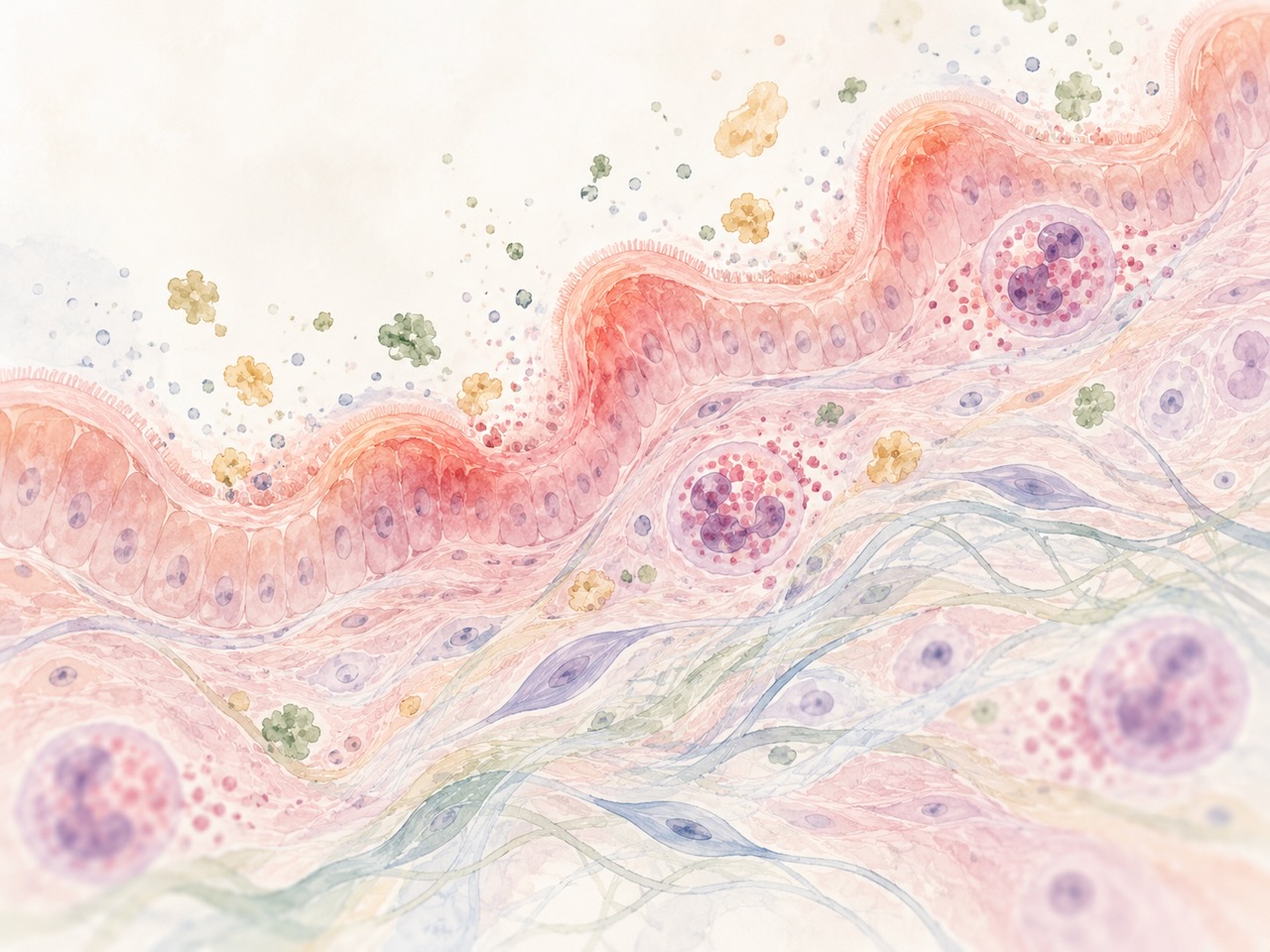
- The Biopsy Standard: For suspected EoE, endoscopy with biopsy remains the gold standard. The presence of eosinophils—white blood cells that should not be in the esophagus—serves as the definitive diagnostic marker.
- Mast Cell Considerations: The relationship between Mast Cell Activation Syndrome (MCAS) and non-IgE allergies is now a focus of intense study. Since mast cells can be triggered by non-IgE mechanisms, the "allergic" presentation is often a secondary symptom of systemic mast cell dysregulation, requiring a multi-disciplinary approach involving immunologists and GI specialists.
Implications: A New Era of Advocacy
For the patient, these findings carry profound implications. The "frustratingly familiar" cycle of seeking answers for chronic, invisible symptoms is being replaced by a more nuanced understanding of how connective tissue health and immune function are inextricably linked.
1. Re-evaluating Symptoms
If a patient with EDS experiences persistent dysphagia (difficulty swallowing), food impaction, or chronic reflux that fails to respond to proton pump inhibitors (PPIs), the clinical suspicion must shift toward EoE. It is no longer acceptable to default to a diagnosis of standard reflux.
2. The Power of the Patient History
Since diagnostic markers are often missing, the patient’s detailed food and symptom diary becomes the most valuable tool in the clinician’s kit. Patients should be encouraged to document not just what they eat, but the timing of reactions, including subtle symptoms like joint pain flares or fatigue, which often accompany GI distress in the EDS/MCAS population.
3. Integrated Care Models
The future of treatment lies in integrated care. Because these conditions affect the structural integrity of the gut (EDS), the inflammatory response (EoE), and the immune signaling system (MCAS), care teams must move beyond the "siloed" approach of seeing a gastroenterologist for the gut and an immunologist for the allergies separately.
Conclusion: Bridging the Knowledge Gap
The exploration of non-IgE mediated food allergies is a critical frontier for the EDS community. By moving beyond the archaic limitations of IgE-focused testing, patients and clinicians can begin to address the underlying drivers of chronic inflammation.
While the journey toward diagnosis remains complex, the growing body of research provides a beacon of hope. We now have the data to confirm that these GI struggles are not "in the patient’s head," but are rooted in identifiable, albeit complex, biological pathways. As we continue to refine our understanding of these interactions, the focus must remain on patient-led advocacy—insisting on thorough investigations that look beyond the standard tests and into the unique, often overlooked, biological landscape of the Ehlers-Danlos patient.
By Jacqueline Moltzau Anderson, PhD, University of California | October 2026
Disclaimer: This article is for educational purposes only and does not constitute medical advice. Always consult with a qualified healthcare provider regarding diagnostic testing and management of gastrointestinal and immune conditions.