








Introduction: A New Vanguard in Lymphoma Research
In the complex, often unpredictable landscape of oncology, few diseases present as many challenges to both clinician and patient as cutaneous T-cell lymphoma (CTCL). A rare type of non-Hodgkin lymphoma that manifests in the skin, CTCL is characterized by its stubborn persistence and its tendency to recur, often leaving patients in a cycle of exhausting, multi-line therapeutic regimens.
However, the field is seeing a shift toward precision medicine, led by researchers like Dr. Seda Tolu, an MD and physician-scientist at the Herbert Irving Comprehensive Cancer Center at Columbia University and New York-Presbyterian Hospital. Supported by a grant from the Lymphoma Research Foundation, Dr. Tolu is spearheading a study that aims to move beyond the broad-spectrum toxicity of traditional chemotherapy. Her work—a novel combination of JAK inhibitors and immunotherapy—seeks to fundamentally rewrite the treatment paradigm for relapsed or refractory CTCL.
The Path to Discovery: A Chronology of Dedication
Dr. Tolu’s journey into the heart of hematological research was not a sudden decision but a gradual convergence of academic rigor and clinical empathy.
Foundations in Medicine
Dr. Tolu’s formal training began at the University of Maryland School of Medicine, where she cultivated a robust foundation in internal medicine. It was during her subsequent residency and fellowship in hematology and oncology at the Herbert Irving Comprehensive Cancer Center that her trajectory narrowed toward lymphoma.
Identifying the Clinical Gap
During her clinical rotations, Dr. Tolu was struck by the heterogeneity of lymphoma. Unlike more uniform cancers, lymphoma’s varied presentations require a high degree of diagnostic and therapeutic agility. It was within this environment that she encountered the specific, harrowing challenges of CTCL.
"I witnessed firsthand how profoundly debilitating this disease can become in the relapsed/refractory setting," Dr. Tolu reflects. "Patients were often caught in a cycle of short-term remissions followed by inevitable relapses, which necessitated constant shifts in therapy. The toll this takes on a patient’s quality of life is immense. It became clear to me that we weren’t just fighting a cancer; we were fighting a cycle of chronic disease that demanded a more permanent solution."
The Call to Research
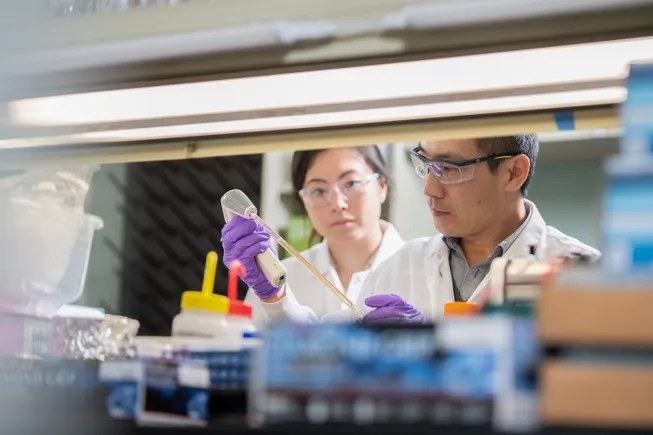
Recognizing the limitations of current standards of care, Dr. Tolu pivoted toward translational research. Her objective was clear: to move away from the "carpet bombing" approach of traditional chemotherapy and toward a more surgical, biologically informed intervention. This dedication culminated in her current research project, which has been granted critical support by the Lymphoma Research Foundation.
Supporting Data: Understanding the CTCL Landscape
To understand the significance of Dr. Tolu’s work, one must first grasp the biological mechanisms of CTCL.
The Nature of the Beast
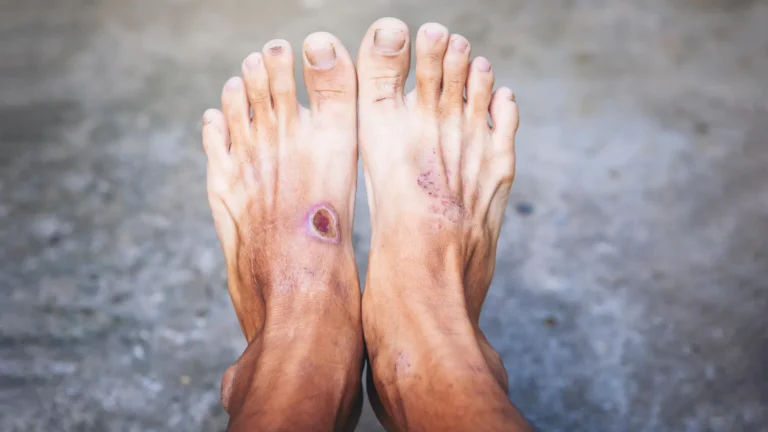
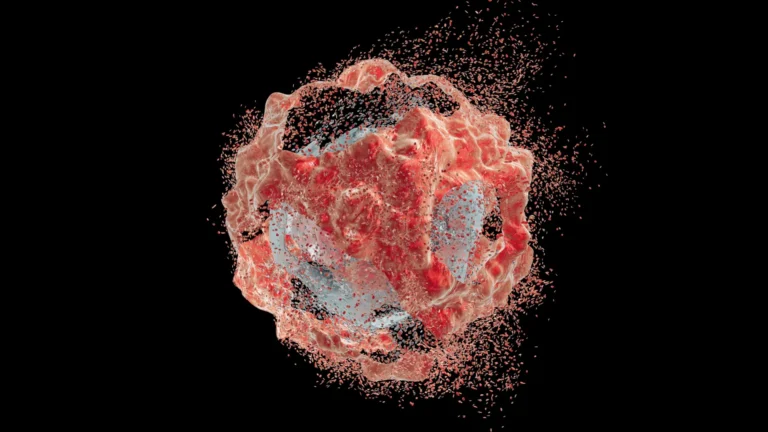
Cutaneous T-cell lymphoma occurs when T-cells—the body’s frontline immune soldiers—become malignant and migrate to the skin. This leads to rashes, lesions, and in advanced stages, systemic involvement. Because the cancer originates from the immune system itself, it is notoriously adept at "hiding" from therapeutic detection.
The Problem with Traditional Chemotherapy
Standard chemotherapy acts by killing rapidly dividing cells. While effective in many cancers, this approach is often less durable in CTCL. The malignant T-cells in CTCL often develop resistance mechanisms, and the cumulative toxicity of repeat chemotherapy cycles often renders patients unable to tolerate further intervention.
The Dual-Targeting Strategy
Dr. Tolu’s research focuses on a dual-inhibition strategy:
- JAK Inhibitors: The Janus kinase (JAK) signaling pathway is frequently overactive in various lymphomas, acting as a "gas pedal" for malignant cell proliferation. By inhibiting this pathway, Dr. Tolu aims to silence the signals that keep the cancer cells growing.
- Immunotherapy: By combining JAK inhibition with immunotherapy, the study seeks to "unmask" the cancer cells, allowing the patient’s own immune system to identify and destroy the malignant T-cells that were previously invisible or resistant.
This combination is not merely about killing cells; it is about reprogramming the microenvironment in which the cancer exists.

Perspectives and Official Responses
The research being conducted at Columbia University represents a significant investment in the future of rare disease oncology.
Institutional Commitment
The Herbert Irving Comprehensive Cancer Center, an NCI-designated facility, has long been a hub for hematologic innovation. By providing the infrastructure and collaborative environment necessary for Dr. Tolu’s work, the institution underscores its commitment to "bench-to-bedside" medicine.
The Role of Advocacy
The Lymphoma Research Foundation (LRF) has been an instrumental partner in this endeavor. As the largest non-profit organization in the U.S. dedicated exclusively to funding lymphoma research, the LRF’s support of Dr. Tolu highlights a strategic focus on underserved areas of oncology.
"Funding for rare cancers is often difficult to secure because they do not have the same public visibility as more common malignancies," says an LRF spokesperson. "However, the innovation we see in Dr. Tolu’s work is precisely why we support these projects. By focusing on the underlying biology of CTCL, she is creating a blueprint that could potentially be applied to other forms of refractory lymphoma."
Implications: A New Dawn for Patients?
The implications of Dr. Tolu’s research extend far beyond the laboratory. If successful, this dual-targeting approach could provide a new lifeline for patients who have exhausted all other options.
Beyond Survival: Quality of Life
For patients with chronic, relapsing CTCL, the goal of treatment is often shifting from "total cure" to "manageable, long-term control." Dr. Tolu’s emphasis on the patient experience is a cornerstone of her work. She is not simply looking for data points on a chart; she is measuring success by the patient’s ability to lead a functional, active life.
"I am particularly motivated by the potential to translate biologic insights into treatment strategies that not only improve disease control but meaningfully enhance patients’ daily lives," Dr. Tolu notes. "If we can reduce the frequency of clinical visits and the severity of side effects, we have fundamentally improved the patient’s reality."
A Scalable Model
The beauty of the JAK-inhibitor-plus-immunotherapy model lies in its potential for scalability. Many cancers rely on similar signaling pathways to bypass immune detection. The success of this project could provide a roadmap for future trials involving other T-cell disorders, potentially saving thousands of patients from the degradation of traditional, high-dose chemotherapy.
Conclusion: The Horizon of Oncology
As Dr. Tolu continues her work at Columbia University, the medical community watches with anticipation. Her research represents a crucial intersection of clinical experience and laboratory innovation. By focusing on the "why" of the disease—the underlying biology—rather than just the "what"—the physical presentation—she is positioning herself at the forefront of a new wave of oncology.
The battle against CTCL is far from over. It remains a complex, often frustrating adversary. Yet, through the dedication of researchers like Dr. Seda Tolu, the outlook for patients is becoming increasingly brighter. By replacing broad-spectrum toxicity with precision-targeted molecular science, we are moving closer to a future where lymphoma is no longer a life-altering sentence of endless treatments, but a manageable condition that allows patients to reclaim their lives.
Dr. Tolu’s project stands as a testament to the power of targeted research and the unwavering resolve of those who refuse to accept the status quo of cancer care. As the trials progress, the findings will undoubtedly contribute to the growing body of knowledge that defines the next generation of hematology.