











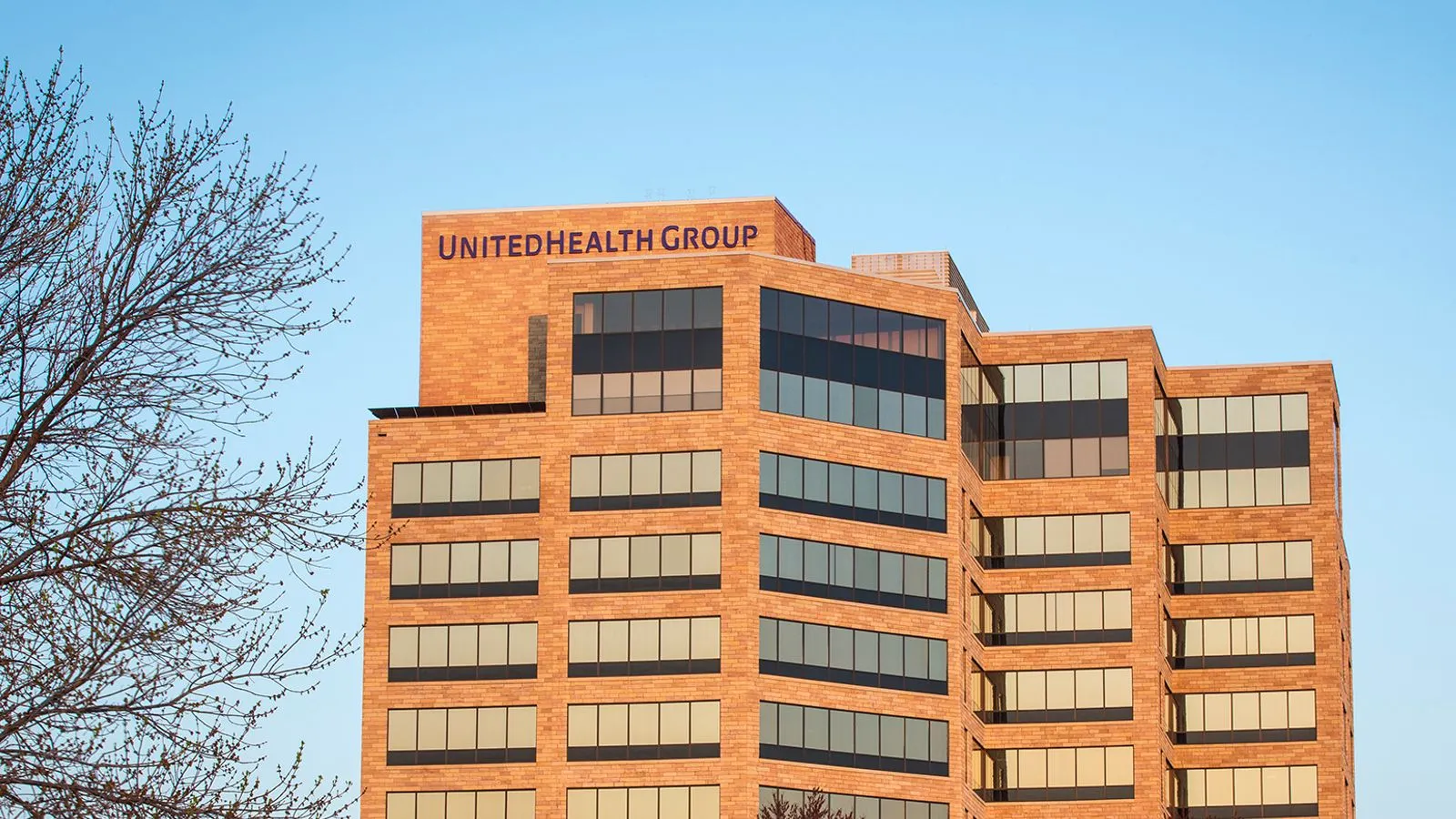
In a legal challenge that threatens to reshape the narrative surrounding one of the world’s largest healthcare conglomerates, UnitedHealth Group (UHG) is currently facing an aggressive shareholder derivative lawsuit. The complaint, brought by a coalition of institutional investors—including a public pension fund for Rhode Island state employees and the Swedish asset manager Länsförsäkringars Fondförvaltning AB—accuses the company’s leadership of presiding over “corporate governance failures on a historic scale.”
The lawsuit alleges a pattern of systemic deception, claiming that board members and senior executives misled investors, engaged in questionable $29 billion share buybacks while concealing underlying operational risks, and fostered an environment of “systemic wrongdoing.” As the legal battle unfolds, it serves as a stark indictment of the risks inherent in rapid consolidation within the healthcare sector.
The Core Allegations: A Foundation of Misconduct
The plaintiffs contend that UnitedHealth’s corporate strategy has been built upon a foundation of illegality. Central to the amended complaint is the accusation that the company’s leadership defrauded the federal Medicare program, improperly denied medically necessary care to vulnerable patients, and manipulated earnings to satisfy Wall Street expectations.
Perhaps most damning is the accusation that UnitedHealth misled federal regulators and the public regarding its “firewall” protocols. Initially, the company claimed it had established rigorous barriers to prevent sensitive data from flowing between its insurance arm and its subsidiary, Optum, specifically to mitigate antitrust concerns. The lawsuit argues that these protocols were largely performative, serving as a facade to appease the Department of Justice (DOJ) while the company integrated its business units in ways that suppressed competition.
Chronology: A Race Against Regulatory Scrutiny
To understand the gravity of the lawsuit, one must look at the timeline of the $13 billion acquisition of Change Healthcare, finalized in 2022.
2022: The "Rushed" Integration
According to testimony from a confidential witness—who served as Change Healthcare’s director of risk management from 2017 to 2023—the post-acquisition transition was not merely fast; it was intentionally reckless. The DOJ had filed an appeal to block the merger, arguing that the combination of UnitedHealth and Change would stifle competition and drive up insurance costs.
The lawsuit alleges that UnitedHealth’s leadership mandated that the companies be integrated so deeply and so rapidly that a forced separation would be “nearly impossible” should the courts eventually side with the DOJ. This haste, the suit claims, led to the abandonment of standard due diligence.
2024: The Ransomware Catastrophe
The consequences of this strategy culminated in the catastrophic 2024 ransomware attack. The breach, which compromised the personal data of approximately 190 million people and crippled national claims processing for weeks, was not a bolt from the blue, the lawsuit argues. Instead, it was a direct result of the lack of cybersecurity oversight during the integration phase.
The witness testimony highlights that UnitedHealth was allegedly aware of glaring security deficiencies, including the lack of multifactor authentication (MFA) on critical systems. The absence of this basic security layer allowed attackers to infiltrate Change Healthcare’s network, causing over $2 billion in losses and sending UnitedHealth’s stock price into a tailspin.
Supporting Data and Evidence of Failure
The lawsuit provides a granular look at the alleged internal rot at UnitedHealth, citing specific instances of administrative and fiscal malfeasance.
The Medicare Advantage Controversy
The plaintiffs have brought fresh attention to UnitedHealth’s Medicare billing practices. The suit points to the actions of CEO and Board Chairman Stephen Hemsley, alleging that he played a pivotal role in dismantling an internal audit program. This program had reportedly flagged that the company had submitted at least $200 million in unsupportable diagnosis codes to the federal government—a practice often used to inflate Medicare Advantage payments.
Cybersecurity Negligence
The data breach remains the most tangible piece of evidence for the plaintiffs. The suit asserts that by prioritizing the speed of the acquisition over the stability of the infrastructure, UnitedHealth effectively invited the ransomware attack. The lack of MFA is cited as a “textbook example” of corporate negligence in the modern digital age.
Official Responses and Corporate Stance
UnitedHealth Group has maintained a policy of silence regarding the ongoing litigation. When contacted for comment, representatives for the company stated that they do not answer questions regarding pending legal matters.
However, in previous filings and public statements, UnitedHealth has emphasized its commitment to patient security and regulatory compliance. The company has invested significantly in the remediation of the Change Healthcare breach, promising to harden its digital infrastructure and improve its risk management protocols. Whether these measures will be sufficient to appease shareholders or satisfy the courts remains an open question.
Implications: The High Cost of Consolidation
The implications of this lawsuit extend far beyond the balance sheet of UnitedHealth Group. If the plaintiffs succeed, the case could set a significant precedent for how large healthcare corporations manage risk during mergers and acquisitions.
Regulatory Oversight
The scrutiny of UnitedHealth’s billing practices and its interaction with the federal Medicare program highlights a growing tension between massive private healthcare providers and the public sector. Federal investigators have already launched multiple probes into Medicare Advantage billing, and this lawsuit provides additional ammunition for those seeking tighter oversight.
Shareholder Activism
The involvement of international institutional investors, such as the Swedish asset manager Länsförsäkringars Fondförvaltning AB, signals a global shift in shareholder expectations. Institutional investors are increasingly holding boards accountable for “ESG” (Environmental, Social, and Governance) failures, specifically those related to cybersecurity and ethical business practices.
Long-term Impact on Patient Care
Ultimately, the primary victims of these alleged failures are the patients. The denial of medically necessary care and the exposure of sensitive health records represent a breach of the fundamental trust required in the healthcare system. The lawsuit paints a picture of a company so focused on quarterly earnings and market dominance that it lost sight of its core mission: protecting the health and privacy of the individuals it serves.
Conclusion
The litigation against UnitedHealth Group represents a critical junction for the company and the broader healthcare industry. By alleging that leadership prioritized profit-driven expansion over the security and integrity of its services, the plaintiffs have raised fundamental questions about the sustainability of current healthcare business models.
As the case proceeds, the focus will likely remain on the internal communications of the board and the specific decisions that led to the security lapses of 2024. For UnitedHealth, the road ahead is fraught with both financial risk and the looming threat of damaged reputation. For the industry, the case serves as a warning: in the pursuit of "industry-leading earnings," the foundations of governance must be impenetrable, or the entire edifice risks collapsing under the weight of its own ambition.