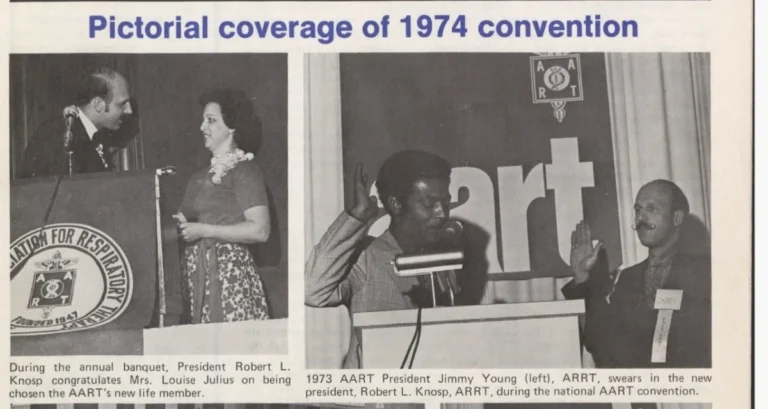






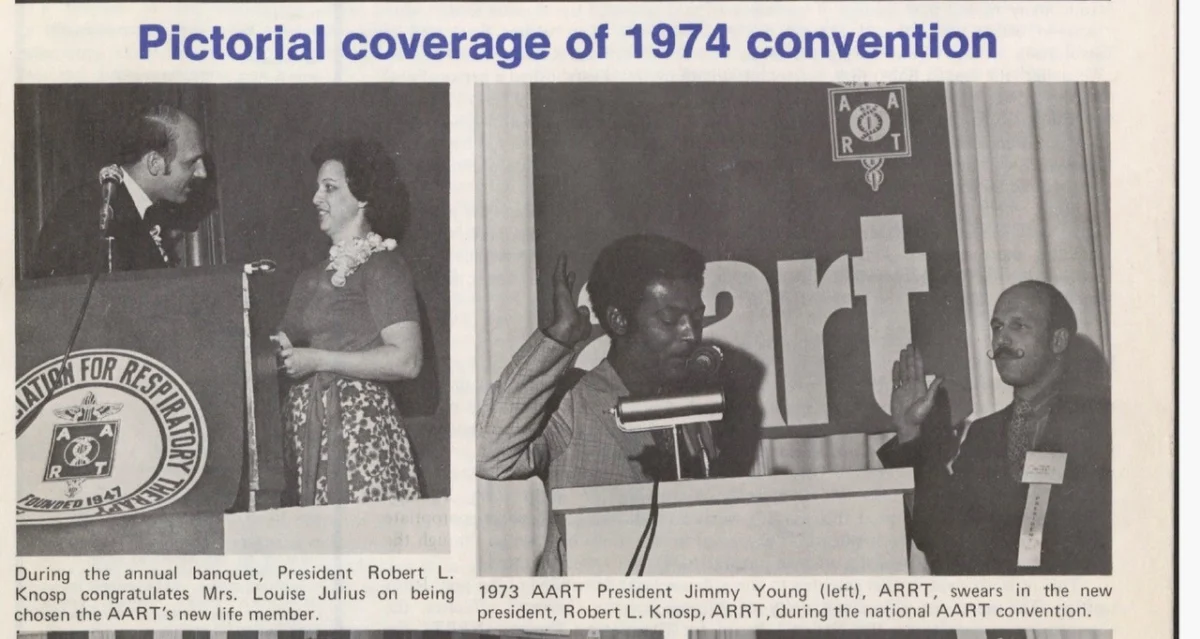
The American Association for Respiratory Care (AARC) has long served as the heartbeat of the respiratory profession, and at its center lies the Jimmy A. Young Award. Named in honor of the late AARC president—a man whose legacy was defined by his unwavering devotion to the advancement of respiratory care—the award represents the highest professional recognition the association can bestow. It is not merely a plaque or a title; it is a recognition of a lifetime of sustained, impactful contributions to the field.
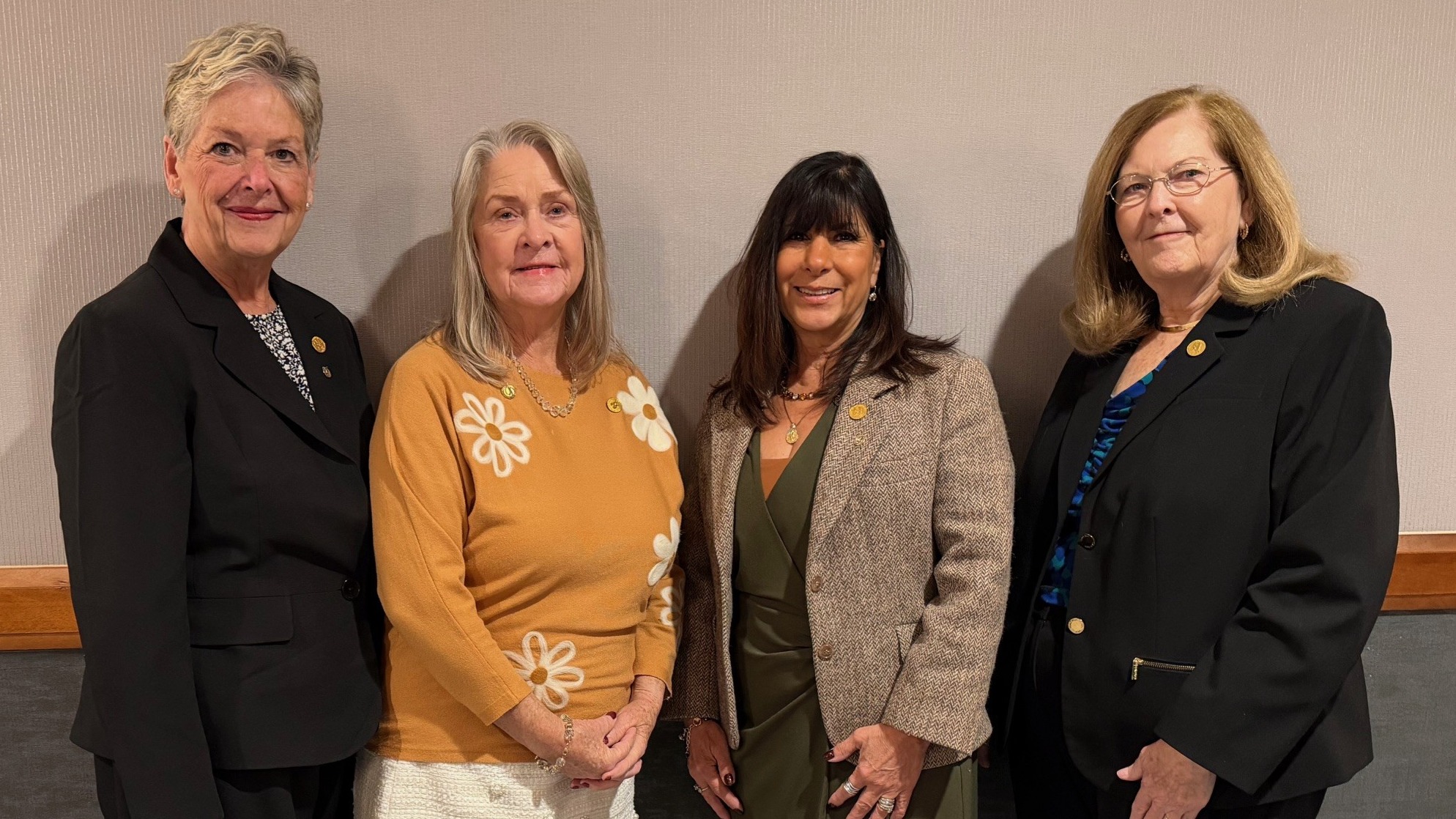
In a recent, unprecedented gathering, Lisa Weisenberger, AARC Director of Content and Communications, facilitated a profound conversation with four of the five women who have earned this prestigious accolade. The panel featured Dianne Lewis, MS, RRT, FAARC (2025); Trudy Watson, BS, RRT, FAARC (2018); Margaret Traband, MEd, RRT, FAARC (2011); and Teresa Volsko, MBA, MHHS, LSSBB, RRT, FAARC (2020). (The fifth recipient, Louise Julius, was honored in 1988 alongside her husband, John.) This retrospective was more than a look back; it was a masterclass in leadership, resilience, and the evolution of a profession that has moved from the fringes of medicine to the front lines of patient survival.
The Genesis of Advocacy: A Legacy of Service
For these four luminaries, the journey toward the Jimmy A. Young Award was never fueled by a desire for accolades. Instead, it was sparked by a fundamental commitment to service and the belief that the profession could—and should—do better for its patients.
Dianne Lewis, the most recent recipient, traces her influence back to the trenches of the AARC House of Delegates. Her work on the Clinical Practice Guidelines Steering Committee remains one of her most enduring contributions. "My group wrote and published the first clinical practice guideline for the association," Lewis recalled. This was a watershed moment for the profession. Before these guidelines, practice standards were often localized and inconsistent. By codifying them, Lewis and her peers helped transform respiratory care from a trade into an evidence-based medical discipline, standardizing quality of care for patients across the United States.
Margaret Traband, who joined the AARC in 1972, reminds us that professional greatness often begins in the small, quiet halls of local societies. "We began with our state societies," she noted. "You don’t do it looking for what else you need to check off a list to get an award. You’re just moving ahead where you think you can do the most good." This philosophy of "service first" serves as the bedrock for the Jimmy A. Young Award’s history. It is an award that specifically seeks out those who have built the foundation upon which the rest of the profession stands.
The Chronology of Change: From Few to Many
The history of the Jimmy A. Young Award is a mirror of the history of the respiratory care profession itself. When the award was established, the landscape of medicine was starkly different. Women, who today constitute a massive portion of the respiratory therapy workforce, were once rare in the corridors of power.
Trudy Watson, in reflecting on her tenure, pointed out the stark evolution of the field. In the early decades of the association, leadership was almost exclusively male-dominated. The process of integrating women into the upper echelons of the AARC was not just a matter of time; it was a matter of intentional, sometimes difficult, cultural shifting.
Teresa Volsko provided a chillingly honest perspective on what it was like to be a woman in the room in 1979. "If you were invited to the table, you didn’t dare bring another woman up with you because there was only one or two seats," Volsko explained. "Now we have the power to change that landscape from being competitive to really lifting each other up." This shift from a "scarcity mindset"—where women felt they had to compete against each other for a solitary seat at the table—to a culture of collaborative mentorship has been one of the most significant advancements in the history of the AARC.
Strategic Wisdom: A Roadmap for the Next Generation
When the panel turned their attention to the future, they did not offer platitudes. Instead, they provided a rigorous, three-pronged strategy for any respiratory therapist (RT) looking to build a career of substance and longevity.
1. The Art of Strategic Networking
Trudy Watson emphasized that clinical skill alone is not enough to effect systemic change. "Get involved so your name is known and you are trusted within your own organization," she advised. She noted that networking should extend beyond the hospital walls. By engaging with related entities—such as the American Lung Association—therapists can expand their influence and bring external knowledge back into their clinical practice. Networking is not about "who you know," but about "who knows you are competent."
2. The Requirement of Radical Preparation
Margaret Traband recalled the "Journal Clubs" of the 1970s as the gold standard for intellectual rigor. In an era before the internet, these clubs were the primary way to stay abreast of the latest research. "Being over-prepared is status quo for most of us," Traband noted. "You have to be well-versed, so you don’t come off half-prepared." In a high-stakes environment where a patient’s next breath depends on the therapist’s decision-making, there is no substitute for deep, clinical knowledge.
3. Leading from the Bedside
Perhaps the most crucial piece of advice came from Teresa Volsko, who cautioned against the obsession with titles. "Don’t let the fact that you have the title of a clinical respiratory therapist stop you from doing great things," she urged. "Lead where you are." Leadership, she argued, is not a position bestowed by management; it is a behavior exhibited by those who take ownership of their clinical environment, advocate for their patients, and mentor their peers.
Implications for the Future: Growth vs. Capacity
As the profession looks toward the next decade, the outlook is one of both immense opportunity and daunting pressure. Dianne Lewis highlighted the massive job growth projected for the field. The demand for respiratory care is at an all-time high, driven by an aging population and a growing awareness of chronic respiratory conditions.
However, this demand creates a critical bottleneck. Trudy Watson pointed out the challenge of "finding the students to fill the seats in the classroom." To meet the upcoming demand, the profession must not only attract new talent but also retain it.
The post-pandemic landscape has left the workforce exhausted, and the shadow of burnout looms large. Addressing this, Margaret Traband offered a poignant, almost meditative piece of advice for those currently feeling the weight of the profession. "The further away you get from the bedside, the less positive reinforcement happens," she said. "Take the time to reflect at the end of the day. Know that you’ve alleviated breathlessness and calmed patients. Steep in that moment."
Conclusion: The Enduring Value of Advocacy
The Jimmy A. Young Award is far more than a recognition of past achievement. It is a beacon for the future. By chronicling the lives and philosophies of these four extraordinary women, the AARC has provided a blueprint for the next generation of therapists.
The profession of respiratory care stands at a crossroads. As it continues to expand, the lessons provided by Lewis, Watson, Traband, and Volsko—the importance of standardized care, the necessity of lifting others up, and the power of bedside leadership—will be the tools that ensure the profession not only survives but thrives. The future of respiratory care relies on a delicate balance: a blend of clinical excellence, relentless mentorship, and the courage to take a seat at the table—and then pull up a chair for someone else.