











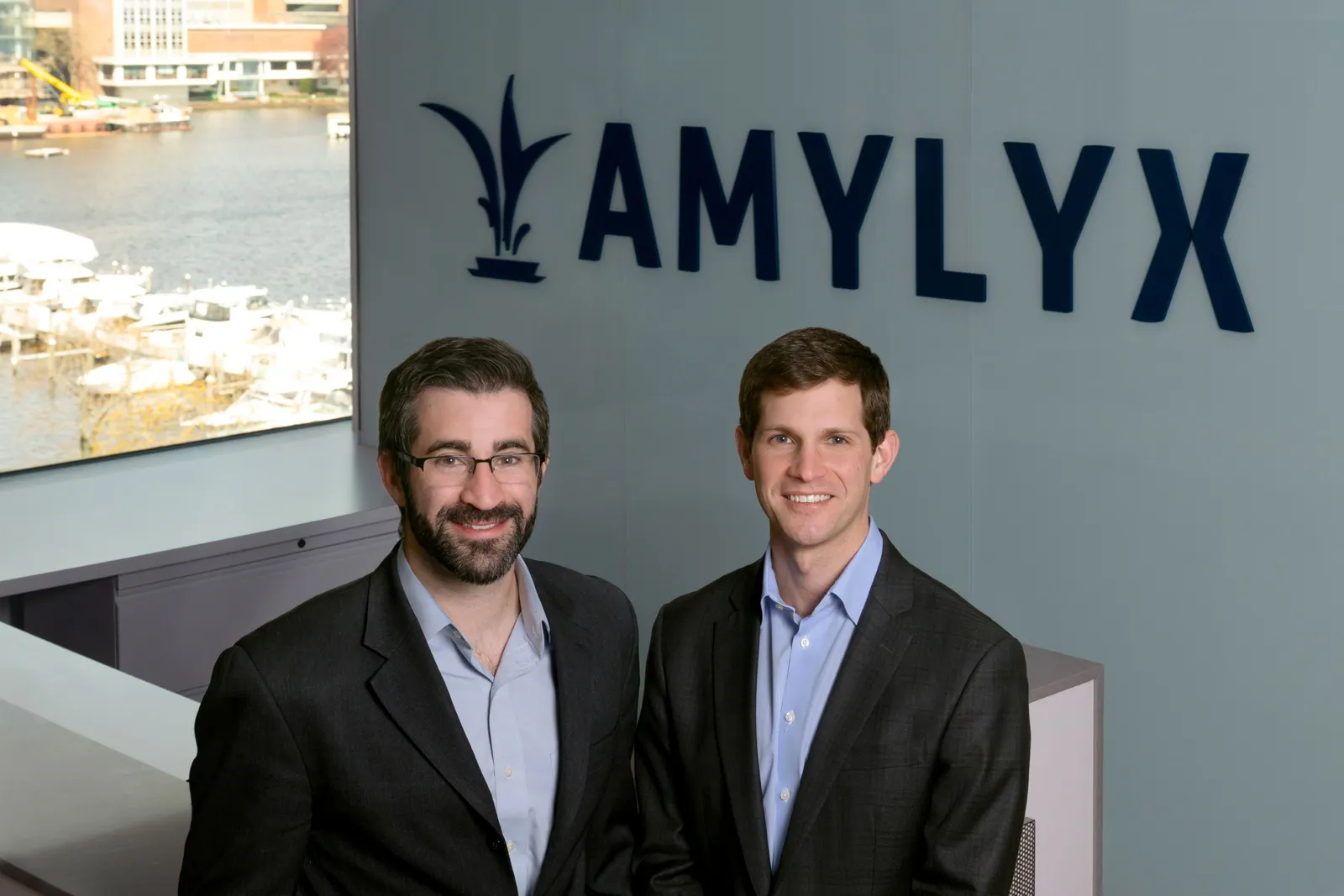
In a high-stakes move to redefine its future, Boston-based Amylyx Pharmaceuticals announced Tuesday that its experimental drug, avexitide, has met its primary endpoint in a pivotal late-stage clinical trial. The results offer a glimmer of hope for patients suffering from post-bariatric hypoglycemia (PBH)—a debilitating and potentially life-threatening condition for which no currently approved pharmacological treatments exist.
The announcement represents a significant inflection point for the company, which spent much of 2024 navigating the fallout from the withdrawal of its lead ALS treatment. By pivoting toward a therapeutic area with significant unmet need, Amylyx is aiming to secure its place in the pharmaceutical landscape as it prepares for a formal regulatory submission to the U.S. Food and Drug Administration (FDA) later this year.
The Clinical Breakthrough: A Potential First-in-Class Therapy
The late-stage study focused on patients suffering from PBH, a condition that develops in a subset of individuals who have undergone weight-loss surgery. When these patients experience dangerously low blood sugar, their bodies are often unable to regulate glucose effectively, leading to episodes of severe hypoglycemia.
According to the data released by Amylyx, avexitide demonstrated a 55% reduction in serious to severe hypoglycemic events compared to a placebo. The clinical significance of this finding cannot be overstated: these events represent a medical emergency, as the brain—deprived of its primary fuel source—can trigger a cascade of symptoms ranging from confusion, slurred speech, and loss of coordination to seizures, loss of consciousness, and coma.
From a safety perspective, the trial results appear promising. The vast majority of reported adverse events were classified as mild or moderate. The most frequently cited side effects included diarrhea and minor reactions at the injection site, such as redness or bruising. These findings suggest a favorable benefit-risk profile, a crucial component for the FDA’s upcoming review process.
A Chronology of Resilience: From ALS Setback to New Hope
The path to this week’s success has been fraught with challenges. To understand the significance of the avexitide data, one must look at the company’s recent history.
- Spring 2024: Amylyx made the difficult, rare decision to voluntarily pull its only marketed product, Relyvrio (a treatment for amyotrophic lateral sclerosis), from the market. This followed the release of confirmatory trial data that showed the drug failed to outperform a placebo in slowing the progression of the fatal disease. The move triggered a restructuring and layoffs, casting doubt on the company’s long-term viability.
- Summer 2024: Seeking to revitalize its pipeline, Amylyx successfully bid $35 million to acquire avexitide through the bankruptcy proceedings of Eiger BioPharmaceuticals. The move was viewed by industry analysts as a high-risk, high-reward gamble, leveraging Eiger’s previous mid-stage work on both PBH and congenital hyperinsulinism.
- Late 2024: Following an accelerated development timeline, Amylyx moved avexitide into the final stages of clinical evaluation, culminating in the positive data readout released this Tuesday.
The company’s ability to move from a total loss of commercial revenue to a successful late-stage trial in less than a year has drawn praise from market observers, signaling a robust internal R&D process capable of executing complex clinical programs under pressure.
The Mechanism: Blocking the GLP-1 Receptor
Avexitide’s mechanism of action positions it uniquely within the current metabolic therapeutic landscape. While the pharmaceutical world is currently dominated by the "mega-blockbuster" GLP-1 receptor agonists—such as those sold by Eli Lilly and Novo Nordisk for diabetes and weight loss—avexitide functions as a GLP-1 receptor antagonist.
By blocking these receptors, avexitide effectively decreases insulin production in the pancreas, helping to stabilize blood sugar levels in patients whose physiological systems have become dysregulated after bariatric surgery. This "counter-intuitive" approach—using the same biological pathway as the most popular weight-loss drugs but to opposite effect—highlights the precision engineering behind the drug’s design.
Official Responses and Stakeholder Perspectives
The reception from the medical community has been overwhelmingly positive. Justin Klee, co-founder and co-CEO of Amylyx, emphasized the urgency of the condition during an interview. "What we heard very consistently from endocrinologists and people with PBH is that every one of these events is a medical emergency. Preventing even a single event matters," Klee noted.
Joshua Cohen, the company’s other co-founder and co-CEO, characterized the results as a "home run." According to Cohen, the data exceeded internal and external expectations. He recounted that when the company presented the findings to the trial’s steering committee of medical experts, the consensus was one of relief and excitement, given the complete lack of treatment options for patients currently living in fear of their next hypoglycemic episode.
Market Implications and Future Outlook
The financial outlook for Amylyx has shifted dramatically following the news. Shares of the company rose 14% in after-hours trading on Monday, reflecting investor confidence in the drug’s commercial potential.
Analysts at Mizuho Securities have projected that, if approved, risk-adjusted revenue from avexitide could reach $1.3 billion by 2040. Joseph Thome of TD Cowen provided an even more optimistic forecast, modeling peak annual U.S. sales at $1.5 billion, while cautioning that these figures might be conservative as physician awareness and diagnostic rates for PBH continue to rise.
For context, research cited by the Cleveland Clinic Journal of Medicine suggests that PBH affects anywhere from 10% to 33% of patients who undergo bariatric surgery, representing a significant patient population that currently has no recourse other than strict dietary management, which is often insufficient.
Looking Ahead: The Regulatory Path
Amylyx is now focused on the final hurdle: the FDA. While Klee and Cohen declined to comment on whether they would seek a pre-filing meeting with the agency, they confirmed that the company is currently finalizing its marketing application, which they intend to submit before the end of the year.
The path is bolstered by the fact that the FDA has already granted avexitide a "breakthrough therapy" designation. This special status is reserved for drugs that demonstrate substantial improvement over existing therapies for serious or life-threatening conditions, providing the manufacturer with more intensive FDA guidance and a potential path to expedited review.
Beyond avexitide, Amylyx remains committed to its existing portfolio, including the continued assessment of its drug codenamed AMX0035 for Wolfram syndrome, and a separate genetic medicine program for ALS. With $251 million in cash, cash equivalents, and short-term investments as of June 30, the company has secured a financial runway that extends into 2028, providing the stability necessary to see its current pipeline to maturity.
As the company prepares for its formal filing, the medical community remains focused on the potential arrival of the first targeted treatment for PBH. For patients whose lives have been defined by the unpredictability of their blood sugar, avexitide represents more than just a financial milestone for a biotech firm—it represents a restoration of normalcy and the elimination of a persistent, daily medical threat.