








In the complex machinery of the human body, few components are as foundational as amino acids. Often described as the "building blocks of life," these molecules are the raw materials from which proteins are synthesized. Among them, arginine holds a position of particular prominence. Beyond its role in protein construction, new research from The Rockefeller University suggests that arginine serves as a critical regulator of the immune system’s ability to detect—and destroy—threats ranging from malignant tumors to lethal viruses.
A groundbreaking study, published in the journal Cell, reveals that when arginine levels dip, the body’s "early warning system" against disease essentially goes offline. By uncovering how dietary intake of this amino acid directly influences gene expression and immune surveillance, researchers have opened a promising new frontier in preventative medicine and therapeutic oncology.
The Foundation: Arginine’s Role in Cellular Health
Arginine is a semi-essential amino acid, meaning the body produces it naturally, though additional intake via protein-rich foods like meat, poultry, dairy, and nuts is often required to maintain optimal levels. Biologically, arginine is encoded by six different codons—the three-base sequences of DNA that provide instructions for protein synthesis. This high level of genetic redundancy underscores its ubiquity and importance in human physiology.
Historically, scientists have understood that fluctuations in amino acid availability could influence general cellular metabolism. However, the precise mechanism by which these nutrients act as "switches" for gene expression has remained largely opaque. The research team led by Sohail Tavazoie, head of the Elizabeth and Vincent Meyer Laboratory of Systems Cancer Biology at Rockefeller, sought to bridge this gap. Their work demonstrates that arginine is not merely a passive building block but an active, regulatory participant in the body’s immune recognition.
A Chronology of Discovery
The journey to this discovery began years ago, driven by a persistent observation in clinical oncology: abnormally low levels of arginine are frequently found in patients suffering from severe diseases, including colon cancer.
The 2023 Breakthrough
In 2023, Dr. Tavazoie’s laboratory established a chilling correlation: when colon cancer cells were deprived of arginine, they exhibited a significantly higher rate of mutation. This suggested that arginine deficiency wasn’t just a symptom of disease, but potentially a catalyst that allowed cancer to evolve more rapidly and aggressively.
The Mechanism of Failure
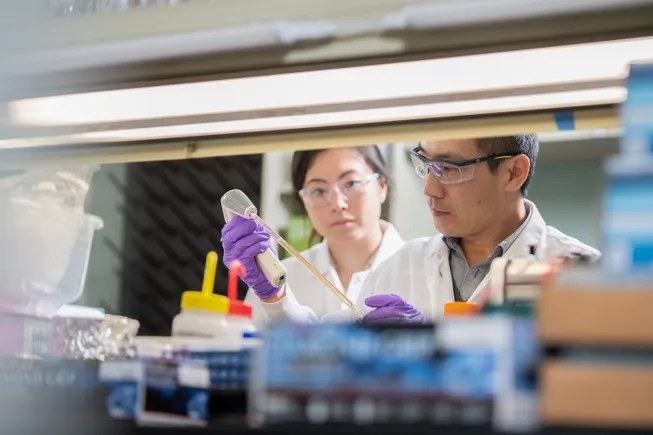
Building on that foundation, postdoctoral researcher Qiushuang Wu turned her attention to the immune system. She hypothesized that if arginine was missing, the cells might be failing to communicate their status to the rest of the body. Her research identified that 414 different proteins were present at unusually low levels in arginine-deprived environments.
Crucially, this included the HLA (human leukocyte antigen) genes, which are responsible for producing Major Histocompatibility Complex class I (MHC-1) proteins. MHC-1 proteins are the "identity cards" of a cell; they reside on the cell surface and present fragments of internal proteins to T cells. If a cell is infected with a virus or has become cancerous, the MHC-1 complex displays these "abnormal" protein fragments, alerting the immune system to launch an attack.
Dr. Wu discovered that when arginine is scarce, the cellular "factories"—the ribosomes—literally stall during the assembly of MHC-1 proteins. Without enough arginine, the protein cannot be completed, the "identity card" is never displayed, and the T cells remain blind to the threat.
Supporting Data: From Petri Dishes to Mouse Models
To test the clinical significance of these findings, the team conducted a series of experiments using animal models representing colon cancer, influenza, and SARS-CoV-2. The data was both consistent and alarming.
The "Perfect Storm" in Colon Cancer
In studies involving mice, those fed a diet restricted in arginine developed significantly more colon tumors compared to control groups. Conversely, mice supplemented with additional arginine saw a marked decrease in tumor development. The conclusion was clear: the availability of this specific amino acid was a direct determinant of the body’s ability to suppress malignant growth.
Viral Resilience
The researchers, collaborating with Heinz-Heinrich Hoffman of the Laboratory of Virology and Infectious Disease, extended their testing to respiratory pathogens. The results were unexpected. Not only did arginine-rich diets protect mice from the most severe symptoms of influenza and SARS-CoV-2, but providing arginine after an infection had already been established also improved patient outcomes.
This suggested that arginine supplementation is not merely a preventative measure but a potentially potent therapeutic intervention. The data suggests that by "topping up" arginine, the body can restore the MHC-1 expression necessary for the immune system to recognize and eliminate viral invaders.
Official Responses and Expert Insights
The implications of this research are being felt across the scientific community, particularly due to the accessibility and low cost of arginine as a nutritional supplement.
"Our work reveals how a lack of arginine interferes with the immune system, and suggests that upping arginine intake could prove beneficial," says Dr. Qiushuang Wu. "Perhaps that means it could be used in combination with other therapies to treat both cancer and viral infections."
Dr. Tavazoie emphasizes the immediate clinical potential. "Arginine supplementation could be readily tested in patients receiving immunotherapies or given to high-risk populations exposed to viral pathogens," he notes. "Considering that arginine is inexpensive and readily available, we hope that therapeutic and preventative studies could be undertaken soon."
The study, which received support from the Stavros Niarchos Foundation (SNF) Institute for Global Infectious Disease Research and the Weill Cancer East Hub, represents a departure from traditional drug development. Instead of creating complex, expensive molecules, the research points toward the "selective translational tuning" of gene expression through targeted dietary intervention.
Implications for Aging and Public Health
Perhaps the most profound takeaway from this research involves the natural process of aging. It is well-documented that arginine levels in the human body tend to decline as people grow older. This decrease may explain, at least in part, why the elderly are more susceptible to both cancer and severe complications from viral infections.
A New Paradigm for Nutrition
The "perfect storm" mentioned by Dr. Tavazoie—the combination of aging, poor nutrition, and declining arginine—creates an environment where the immune system loses its capacity to scan for threats. If these findings hold true in human clinical trials, they could lead to a paradigm shift in how we manage the health of aging populations.
Rather than relying solely on vaccines or specialized treatments, doctors might soon consider dietary optimization as a primary pillar of immune health. The researchers are now looking beyond arginine, investigating whether other amino acids play similar regulatory roles in gene expression.
The Future of Preventive Oncology
While the research is in its early stages regarding human applications, the path forward is clear. Future studies will likely focus on:
- Clinical Trials: Determining the optimal dosage of arginine for patients undergoing immunotherapy to ensure the immune system remains "vigilant."
- High-Risk Populations: Evaluating whether arginine supplementation can reduce mortality rates in elderly patients during viral outbreaks.
- Nutritional Guidance: Updating public health recommendations for cancer patients to ensure their dietary intake supports, rather than hinders, their immune response.
As Dr. Tavazoie concludes, "We believe that such selective translational tuning of gene expression through dietary manipulation likely extends to many other proteins and amino acids. There are no doubt more discoveries to come."
For now, the simple amino acid arginine has moved from a humble building block to the center stage of modern immunology. As scientists continue to unravel the intricate language of the genome, the answer to some of our most complex diseases may be found in the very food we eat.