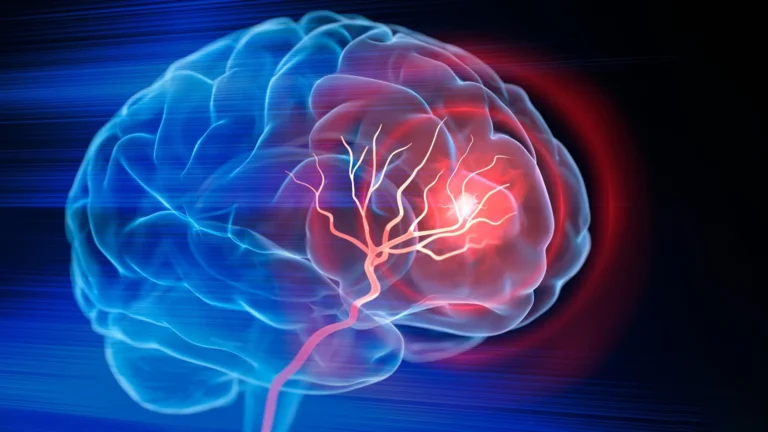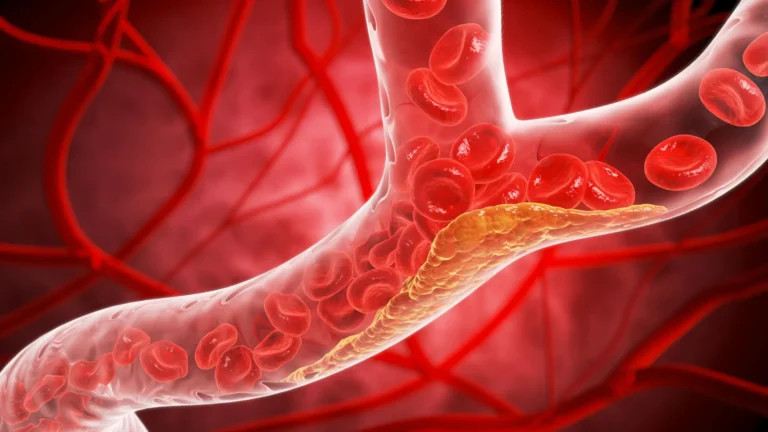
For decades, the standard laboratory model for studying the human circulatory system has relied on a fundamental, yet deeply flawed, simplification: the straight tube. While treating blood vessels as uniform cylinders has served as a foundational tool for early physiological studies, it has often failed to capture the chaotic, high-stakes reality of the human body. In reality, our vasculature is a labyrinthine network of bends, branches, narrowings, and sudden expansions—geometries that dictate the very essence of how blood flows and, crucially, where disease takes root.
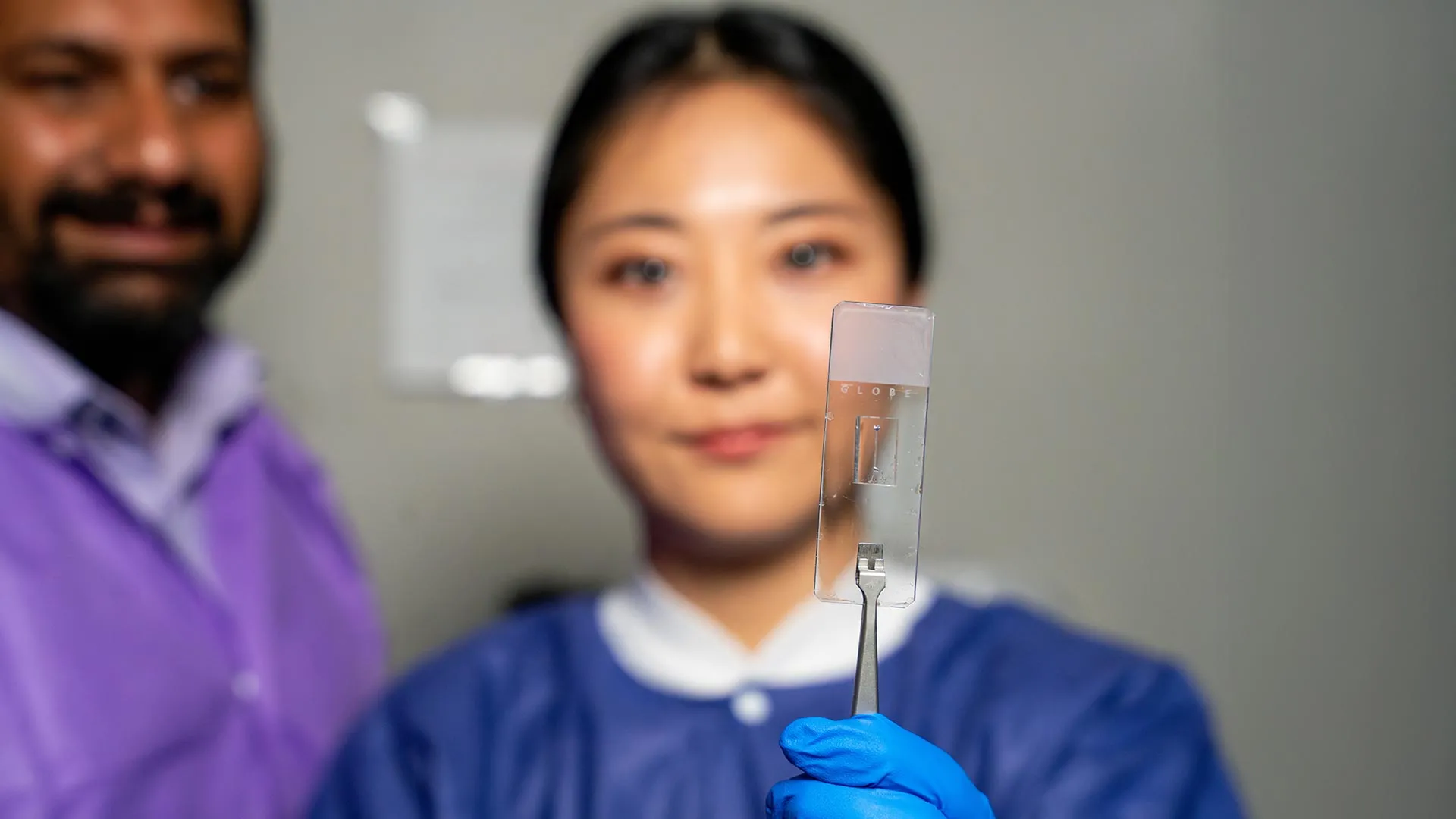
Now, researchers at the Texas A&M University Department of Biomedical Engineering are shattering these constraints. By developing a customizable, high-fidelity "vessel-chip" system, the team is enabling scientists to recreate the intricate architectural reality of the human vascular system at a microscopic scale. This leap forward—set to be featured on the cover of the May 2025 issue of the prestigious journal Lab on a Chip—promises to transform how we understand vascular disease and accelerate the development of life-saving therapeutics.
The Limitations of Conventional Models
To understand the significance of this breakthrough, one must first understand the limitations of current medical research. Traditionally, the "gold standard" for testing vascular health has been either animal models, which are often ethically fraught and biologically distinct from humans, or simple microfluidic devices that treat vessels as straight, uniform pipes.
However, vascular diseases—such as atherosclerosis, aneurysms, and stenosis—do not emerge in perfectly uniform environments. They thrive in regions of turbulence, where blood flow patterns are disrupted by branching points or structural constrictions. "There are branched vessels, or aneurysms that have sudden expansion, and then stenosis that restricts the vessel," explains Jennifer Lee, a master’s student in biomedical engineering and the lead researcher on the project. "All these different types of vessels cause the blood flow pattern to be significantly changed, and the inside of the blood vessel is affected by the level of shear stress caused by these flow patterns. That’s what we wanted to model."
By ignoring these irregularities, previous models have effectively been "blind" to the mechanical forces that trigger the onset of cardiovascular conditions, which remain the leading cause of death globally.
Chronology of an Innovation
The journey toward this advanced vessel-chip began within the walls of the Bioinspired Translational Microsystems Laboratory, led by Dr. Abhishek Jain, an associate professor and the Barbara and Ralph Cox ’53 faculty fellow in biomedical engineering.
Phase I: Establishing the Foundation
The project builds upon the groundwork laid by Dr. Tanmay Mathur, a former graduate student in the lab who developed a functional, straight-vessel chip design. While revolutionary at the time, the straight-vessel chip served primarily as a proof-of-concept. It demonstrated that human cells could be cultured within a microfluidic environment to mimic vascular behavior. However, both Dr. Jain and his team recognized that this was merely the first step. To truly translate these findings into clinical applications, the system needed to move beyond the geometry of a pipe.
Phase II: Undergraduate Initiative and Rapid Development
Jennifer Lee joined the lab as an undergraduate honors student. With little initial experience in "organs-on-a-chip" technology, Lee immersed herself in the field. Her transition from a novice student to a lead researcher was facilitated by the university’s Master of Science fast-track program, which encourages students to tackle high-risk, high-reward research. Under the mentorship of Dr. Jain, Lee spent her tenure refining the micro-molding techniques necessary to introduce complex geometry into the vessel-chips. By the time her research was submitted to Lab on a Chip, she had successfully demonstrated that these complex chips could maintain cellular health while accurately simulating the fluid dynamics of a compromised vessel.
Phase III: Looking Ahead
With the research now peer-reviewed and scheduled for its cover feature in May 2025, the lab is already looking toward the next milestone. The current iteration of the chip focuses on endothelial cells—the critical "gatekeeper" cells that line the interior of blood vessels. The next objective is to introduce multi-cell complexity, incorporating smooth muscle cells and immune components to simulate the full, interactive ecosystem of a living vessel wall.
Bridging the Gap: The Science of "Living" Vessels
The true power of the Texas A&M platform lies in its ability to bridge the gap between inanimate engineering and biological reality. Unlike computer simulations, these chips house actual living tissue.
"We can now start learning about vascular disease in ways we’ve never been able to before," Dr. Jain notes. "Not only can you make these structures complex, you can put actual cellular and tissue material inside them and make them living. These are the sites where vascular diseases tend to develop, so understanding them is critical."
The "Fourth Dimension" of Organ-on-a-Chip
Dr. Jain describes this evolution as moving toward the "fourth dimension" of organ-on-a-chip technology. If the first three dimensions relate to the physical structure (length, width, and depth), the fourth dimension is the integration of complex architectural states with dynamic cellular interaction and blood flow. By subjecting these cells to the precise shear stresses found in an aneurysm or a stenotic vessel, researchers can observe, in real-time, how these cells become inflamed, damaged, or transformed—essentially watching the genesis of disease under a microscope.
Implications for Drug Discovery and Personalized Medicine
The implications for the pharmaceutical industry are profound. Current drug discovery processes are notoriously slow and expensive, often hindered by the failure of animal models to predict human response.
- Non-Animal Testing: As regulatory bodies like the FDA look to reduce reliance on animal testing, these vessel-chips provide a more humane and human-relevant alternative.
- Customizable Platforms: Because the chips can be designed to mimic specific vascular conditions, they can theoretically be tailored to individual patients. By using a patient’s own cells, clinicians could potentially "test drive" a medication on a chip to see how that specific patient’s vasculature reacts before prescribing the drug.
- Targeted Therapy: By understanding the specific mechanical stresses in a diseased vessel, researchers can develop drugs that specifically target the endothelial response to turbulence, rather than just treating systemic symptoms like high blood pressure.
Cultivating the Next Generation of Scientists
Beyond the technical data and engineering feats, the project highlights the success of Texas A&M’s pedagogical approach. Lee’s growth from a student with "little familiarity" with the technology to a lead author on a major journal article underscores the importance of high-impact research environments.
"Jennifer demonstrated perseverance, curiosity, and creativity and started taking up research projects very quickly," Dr. Jain remarked. "Our fast-track program enables students like Jennifer to take on sort of high-impact, high-risk research and not just do a science project, but take it all the way to its outcome and get it published."
Lee herself points to the collaborative culture of the Bioinspired Translational Microsystems Laboratory as a key driver of her success. "It’s such a good environment to interact with not only peers but also graduate students and postdoctoral researchers," she said. "You’re able to learn teamwork and communication, work ethic, and just trying different things out. I think it’s such a valuable experience that students have available."
A Multidisciplinary Effort
The success of this research is not an isolated achievement but the result of sustained support from a vast network of national organizations. The project has been bolstered by funding and collaboration from:
- The U.S. Army Medical Research Program
- NASA (which has a keen interest in how fluid dynamics affect the human body in microgravity)
- The Biomedical Advanced Research and Development Authority (BARDA)
- The National Institutes of Health (NIH)
- The U.S. Food and Drug Administration (FDA)
- The National Science Foundation (NSF)
- Texas A&M University Office of Innovation Translational Investment Funds
These diverse stakeholders reflect the broad utility of the technology. Whether it is keeping astronauts healthy during long-duration spaceflight or developing new treatments for cardiovascular disease in the aging population, the Texas A&M vessel-chip stands as a testament to the power of interdisciplinary collaboration.
As the scientific community prepares for the May 2025 publication, the message from the Bioinspired Translational Microsystems Laboratory is clear: to understand the body, we must stop simplifying it. By embracing the complexity of human biology, Texas A&M is paving the way for a future where vascular disease is not just managed, but understood, predicted, and prevented with unprecedented precision.