





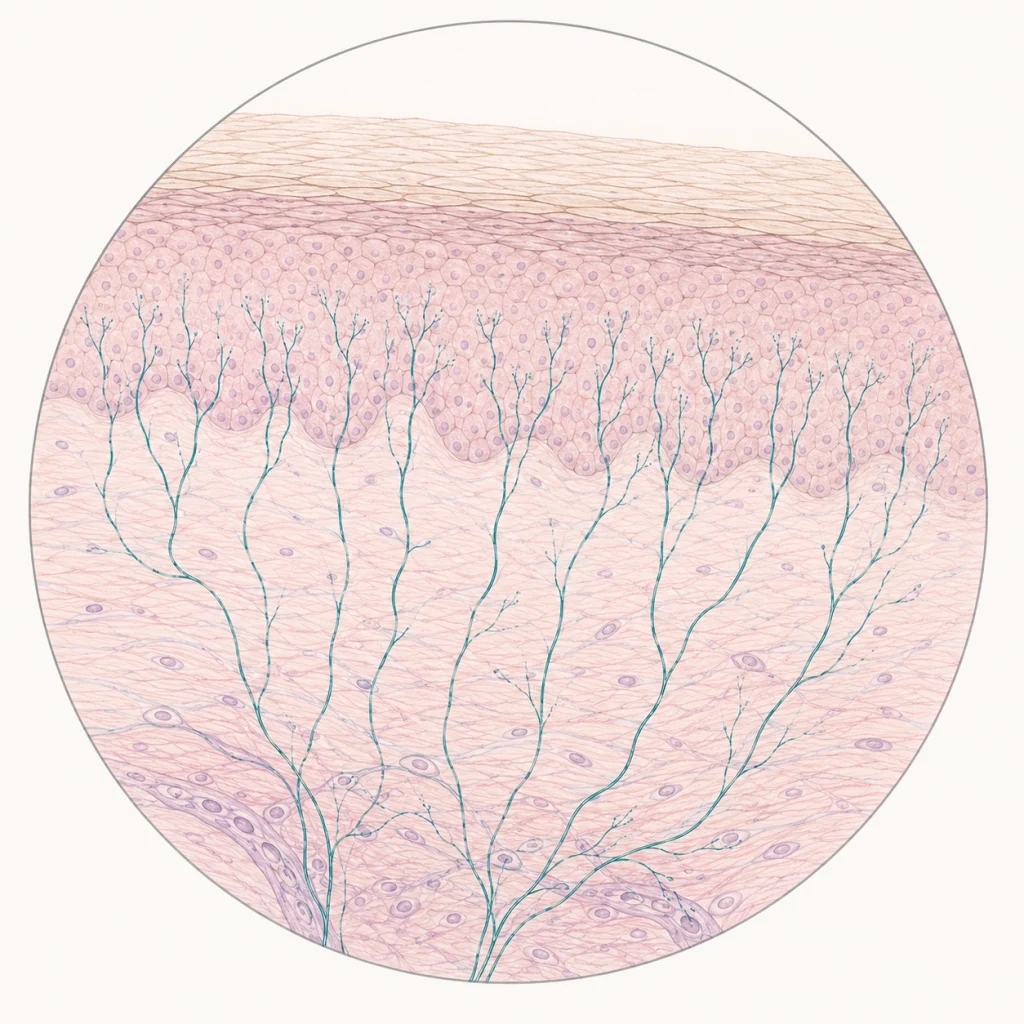
For decades, patients living with hypermobile Ehlers-Danlos syndrome (hEDS) have navigated a medical landscape often defined by skepticism. They report burning sensations, systemic autonomic dysfunction, and a pervasive, body-wide sensitivity that standard neurological screenings—such as MRIs and nerve conduction studies—frequently fail to capture. When clinical tests return “normal” results despite agonizing symptoms, the disconnect between patient experience and objective data has historically led to diagnostic delays, psychological distress, and inadequate management.
However, a groundbreaking study published in Scientific Reports in July 2026 is poised to change that narrative. By analyzing the microscopic architecture of the nervous system, researchers have provided the most compelling evidence to date that the pain experienced by those with hEDS is not just “real”—it is physiologically distinct and measurable.
The Core Findings: A New Diagnostic Landscape
The study, which offers a comparative analysis between hEDS patients with small fiber neuropathy (SFN) and those with idiopathic SFN (iSFN), confirms that the nervous system in hEDS undergoes a unique degenerative process. The research underscores that SFN is not merely a comorbid condition but likely an intrinsic, core component of the syndrome itself.
The Mechanism of Small Fiber Neuropathy
Small fiber neuropathy affects the body’s smallest sensory and autonomic nerve fibers. Unlike large fibers, which manage motor control and deep sensation, small fibers are the "sentinels" of the body. They are responsible for detecting temperature and pain, and they act as the control center for the autonomic nervous system (ANS). When these fibers degrade, the body loses its ability to regulate heart rate, blood pressure, digestion, and thermoregulation. The study confirms that in hEDS, these fibers are being systematically lost, leading to the chronic, widespread pain that patients have long described.
Chronology: A History of Misunderstood Symptoms
The trajectory of an hEDS patient’s medical journey is often marked by a significant delay in diagnosis. The data from this 2026 study highlights the urgency of addressing these symptoms early in life.
- Early Onset: One of the most alarming findings is the disparity in symptom onset. While idiopathic SFN patients typically begin experiencing symptoms in their mid-30s, those with hEDS report the onset of neuropathic pain as early as age 19.
- The Diagnostic Gap: This 16-year difference in onset suggests that the neurological damage in hEDS begins in young adulthood, yet it often goes unrecognized for over a decade.
- Progressive Decline: The study tracks the progression from early-stage pain to multisystem autonomic failure, suggesting that what begins as "growing pains" or "joint issues" in adolescence often masks a progressive, underlying neurological condition.
Supporting Data: By the Numbers
To quantify the impact of hEDS on the nervous system, researchers in Italy enrolled 73 participants, split between the hEDS/SFN group and a control group of idiopathic SFN patients. The results provide a stark contrast:
1. The Prevalence of POTS
Postural Orthostatic Tachycardia Syndrome (POTS), characterized by a rapid heart rate upon standing, was found in 51.5% of the hEDS/SFN group, compared to 0% in the iSFN control group. This suggests that POTS in hEDS is not solely a result of blood vessel laxity (as previously theorized) but is significantly driven by the degradation of the peripheral autonomic nerve fibers.
2. Microscopic Nerve Density
Using skin punch biopsies—a gold-standard diagnostic tool—researchers examined nerve fiber density. While both groups showed fiber loss, the hEDS group exhibited a two-and-a-half-fold increase in the loss of autonomic nerve fibers in the thigh area.
3. The Regenerative Cycle
Perhaps the most intriguing biological finding was the evidence of “alternating cycles.” Under the microscope, researchers observed areas of nerve fiber death alongside clusters of fiber regrowth. This suggests that the body is trapped in a chronic, failed attempt to repair the nervous system. This constant state of neuro-inflammation and attempted regeneration may explain why hEDS pain is often described as "fluctuating," "shooting," or "burning."
Clinical Implications: A Paradigm Shift in Care
The implications of this research for the medical community and the patient population are profound. For too long, the "invisible" nature of hEDS symptoms has forced patients to prove their suffering.
Moving Toward Targeted Treatment
The study provides a roadmap for clinicians. By identifying that the autonomic nervous system is physically damaged in hEDS patients, physicians can move away from vague "pain management" and toward targeted neurological interventions. This includes:
- Systematic Autonomic Screening: Every hEDS patient should receive a baseline assessment of their autonomic function, regardless of whether they believe their symptoms are "joint-related."
- Biopsy as a Standard: The study suggests that skin punch biopsies should be more readily accessible to confirm small fiber loss, providing patients with the clinical validation required for insurance and treatment access.
- Neuro-Protective Strategies: Understanding that the body is in a cycle of degeneration and repair opens the door for research into neuro-protective therapies that may stabilize nerve fiber health.
Official Responses and Expert Perspective
Dr. Jacqueline Moltzau Anderson, a researcher involved in the study, notes that these findings validate what the patient community has asserted for years: the connective tissue laxity inherent in hEDS is inextricably linked to the integrity of the nervous system.
“We are no longer looking at an isolated joint condition,” notes the research team. “We are looking at a systemic syndrome where the structural support of the body (connective tissue) and the signaling system of the body (the nerves) are suffering from the same underlying pathology. This mandates a multidisciplinary approach involving neurologists, rheumatologists, and autonomic specialists working in tandem.”
Final Thoughts: The Road Ahead
For the hEDS community, the July 2026 findings are more than just academic data; they are a beacon of validation. For a patient who has been told that their test results were "normal," this research provides the missing link.
The study demonstrates that:
- Pain is real and measurable: The physical loss of nerve fibers is visible under a microscope.
- Autonomic symptoms are not ‘all in your head’: The failure of the body’s involuntary regulation is tied to concrete nerve damage.
- Early intervention is critical: By identifying SFN in early adulthood, clinicians may be able to slow the progression of autonomic failure.
As we move forward, the challenge for the healthcare system is to integrate these findings into standard practice. The "invisible" symptoms of hEDS have finally been brought into the light of scientific scrutiny. It is now the responsibility of the medical establishment to ensure that this knowledge translates into better, more empathetic, and more effective care for the millions of people living with this condition.
For those interested in the full technical breakdown of the findings, the study is available via Scientific Reports.