











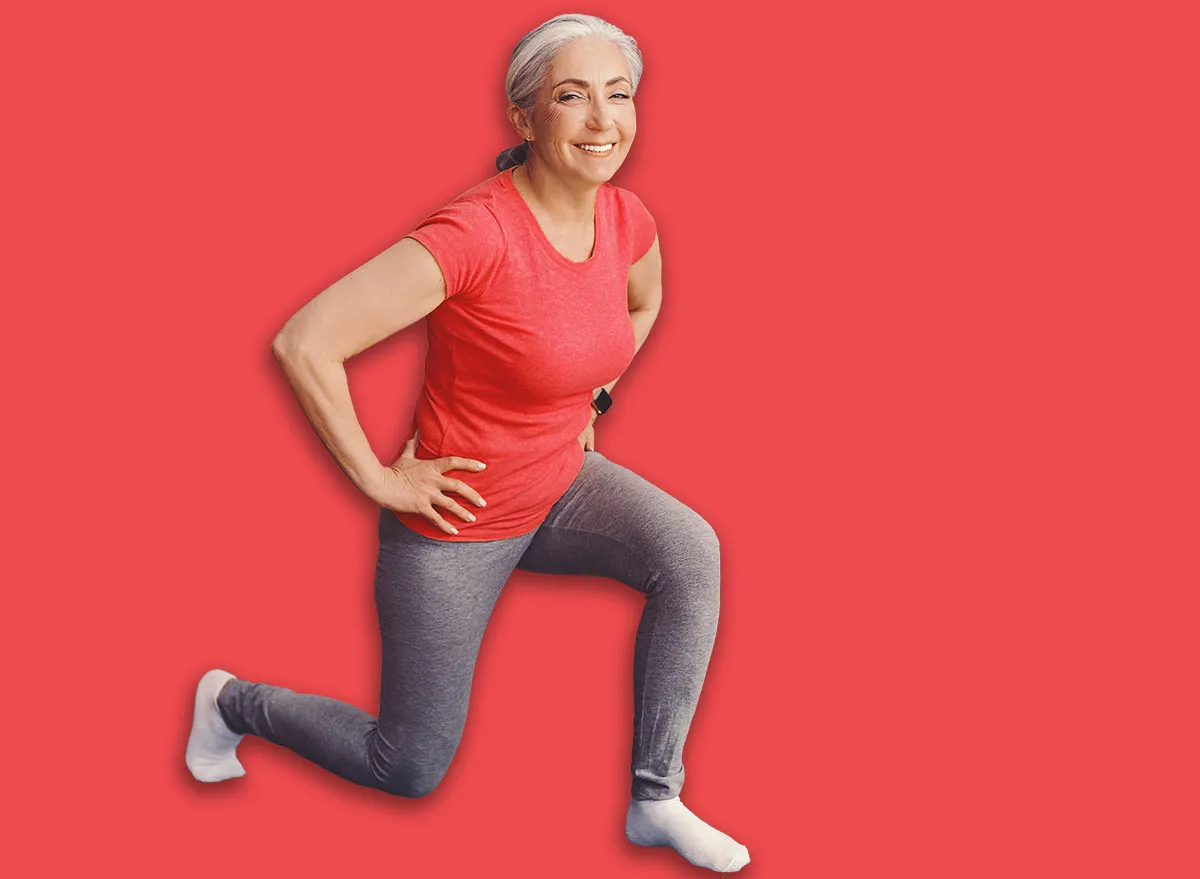
For many adults over the age of 65, the ability to get up from the floor is more than just a physical task; it is a fundamental pillar of independence. Whether you are reaching for an item that rolled under the sofa, gardening in the backyard, or playing with grandchildren, the capacity to transition from a supine position to a standing one is a vital metric of functional longevity.
While society often views this transition as a simple act, it is a complex kinetic chain requiring a precise combination of hip mobility, core stability, lower-body strength, and cognitive coordination. As we age, the fear of falling or the difficulty of the movement can lead to "movement avoidance," where individuals stop getting on the floor altogether. This guide breaks down the science of the floor-to-stand movement and provides a structured, five-step training program to restore your confidence and physical capability.
The Science of the "Get-Up"
Recent research underscores that functional movement patterns are the strongest predictors of long-term health in aging populations. According to data published in clinical gerontology journals, the "floor-to-stand" movement is a high-level skill that requires the integration of multiple muscle groups. When an individual struggles to rise, it is rarely due to a single "weak muscle." Rather, it is often a breakdown in the coordination between the hips and the core.
When you are on the floor, your center of gravity is low. To stand, you must shift your mass upward, create a stable base of support, and generate enough torque to overcome gravity. If any part of this chain—such as ankle flexibility or gluteal engagement—is compromised, the entire movement feels unstable. By training the individual components of this movement, you can rebuild the pattern systematically without the risk associated with attempting the full movement too quickly.
The Chronology of Movement: Breaking Down the Pattern
To master the full rise, one must treat it like an athlete treats a complex maneuver. You do not start by lifting the heaviest weight; you start by perfecting the architecture of the movement. The following five exercises are sequenced to mimic the natural progression of standing up, moving from the floor to a seated position, and finally to a vertical stance.
1. The Glute Bridge: Establishing the Foundation
The glute bridge is the essential "reset" button for the posterior chain. It teaches the hips to generate force from a horizontal position.
- The Logic: Before you can stand, you must be able to shift your pelvis. The glute bridge builds the necessary strength to lift your hips off the floor, a prerequisite for rolling or pivoting.
- Execution: Lie on your back with knees bent, feet flat. Drive through your heels to lift your pelvis toward the ceiling. Focus on squeezing the glutes at the peak rather than arching your spine.
- Clinical Value: This move trains the glutes and hamstrings, which are the primary drivers for the "launch" phase of standing.
2. The Quadruped Rock-Back: Mobilizing the Hips
Transitioning from lying down to kneeling requires significant hip mobility. The quadruped rock-back prepares the joints for this shift.
- The Logic: Many people feel "stuck" when trying to move from their stomach to their hands and knees. This exercise encourages a deep, controlled bend in the knees and hips.
- Execution: Start on all fours. Slowly shift your weight backward, aiming to bring your hips toward your heels, then return to the starting position.
- Clinical Value: This reduces the stiffness in the lumbar spine and hips, making the transition to a kneeling position fluid rather than jarring.
3. Tall Kneeling to Half-Kneeling: The Critical Pivot
This is the most common point of failure for seniors. Bringing one foot forward from a kneeling position is a balance-intensive task that requires core engagement.
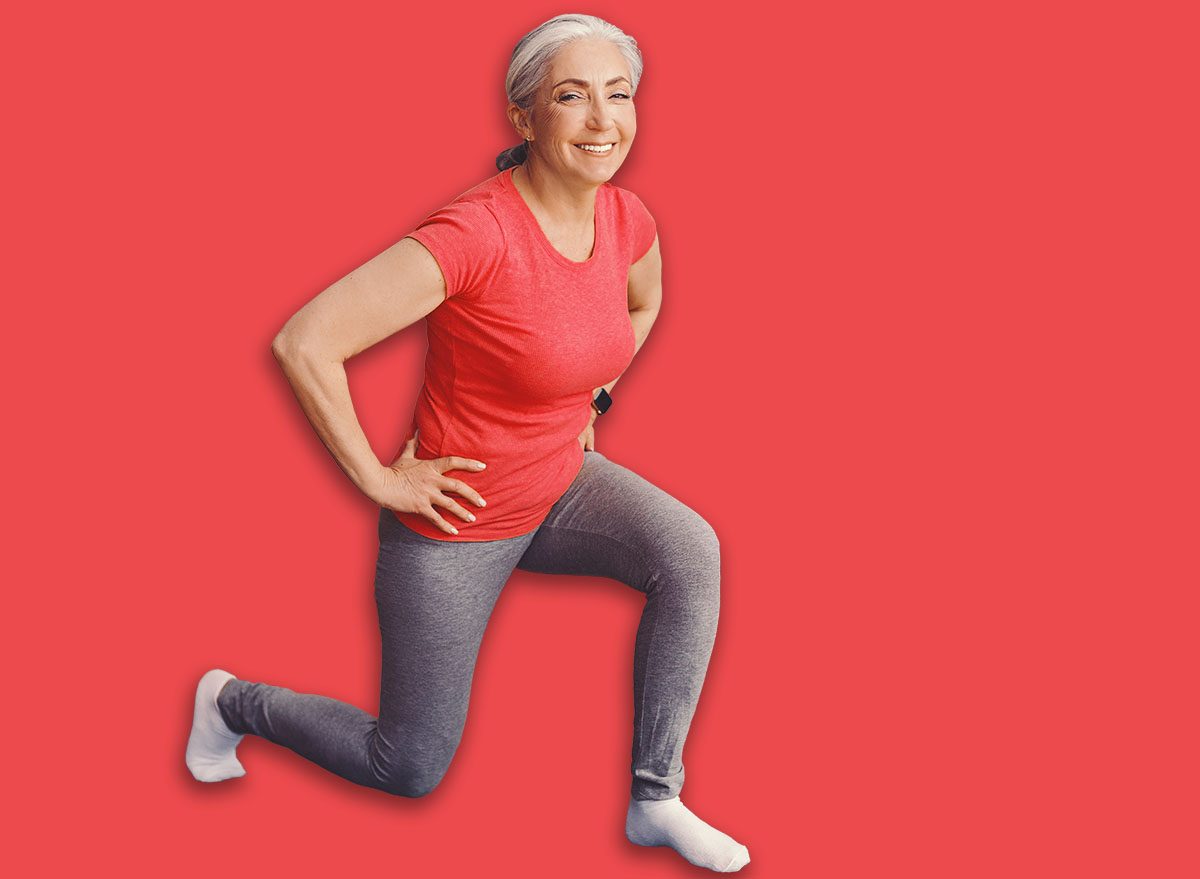
- The Logic: By practicing this transition, you are teaching your nervous system to stabilize the trunk while one leg is in motion.
- Execution: From a tall kneeling position (knees on the floor, torso upright), bring one foot forward so that your knee is at a 90-degree angle. Use a sturdy chair for support if necessary.
- Clinical Value: This exercise builds the "split-stance" stability required to avoid a loss of balance during the most vulnerable part of the get-up.
4. Half-Kneeling Rise With Support: Training the Power Phase
Once you are in a half-kneeling position, you must push yourself up. This requires significant quad strength.
- The Logic: Using a piece of furniture for support allows you to focus on the mechanics of the push without the fear of falling.
- Execution: With one foot forward, place your hands on a stable chair or couch. Press through your front heel to elevate your body toward a standing position, ensuring the movement is slow and controlled.
- Clinical Value: This "assisted lift" allows you to build confidence in your ability to generate vertical force.
5. Seated Floor Get-Up to Chair Support: The Full Integration
This is the final step, combining all previous movements into a single, cohesive skill.
- The Logic: By using a chair as a target, you shorten the distance you have to rise, making the task less intimidating.
- Execution: Begin seated on the floor. Transition to your hands and knees, move into a half-kneeling position, and use the chair to assist your final ascent to standing.
- Clinical Value: It bridges the gap between floor-based exercises and daily function, making the floor a place you can interact with rather than a place you fear.
Supporting Data: Why Training Matters
Clinical studies consistently show that "functional fitness" programs—those focusing on real-world movements—significantly reduce fall risk in older adults. A study published in the Journal of Aging and Physical Activity indicated that seniors who engaged in daily, structured mobility training showed a 30% increase in their ability to perform activities of daily living (ADLs) over a six-month period.
The physiological benefit is two-fold:
- Neuromuscular Coordination: The brain learns to "map" the floor better, reducing anxiety during transitions.
- Muscle Retention: Consistent resistance training, even at low intensities, helps combat sarcopenia (age-related muscle loss), ensuring that the quads and glutes are capable of supporting body weight.
Professional Perspectives on Mobility
Physical therapists emphasize that the goal of these exercises is not necessarily to perform a "gym-style" workout, but to maintain the physical autonomy required for life. According to leading geriatric health experts, the focus should always be on "controlled movement."
"The moment we stop practicing the floor-to-stand transition is the moment we lose the ability to do it," says a representative from a leading physical therapy association. "By keeping a chair or couch nearby during practice, we remove the environmental risk, allowing the user to focus on the muscular mechanics. It is about building a ‘safety net’ of capability that exists within your own body."
Implications for Daily Life
Mastering these five moves has profound implications for a person’s quality of life. The psychological shift from feeling "trapped" on the floor to feeling "capable" of moving through it cannot be overstated. When the fear of falling is replaced by the confidence of a well-practiced movement pattern, individuals are more likely to stay active, engage in hobbies like gardening, and maintain their social independence.
Key Takeaways for Long-Term Success:
- Consistency over Intensity: You do not need to push to failure. A few minutes of daily, high-quality movement is more effective than an hour-long, exhausting workout once a week.
- Environmental Safety: Always practice near a sturdy, non-slip surface. If you are uncertain about your balance, ensure someone is nearby, or utilize a wall-mounted support.
- Listen to Your Joints: If a movement causes sharp pain, modify the range of motion. The goal is to build mobility, not to exacerbate existing joint issues.
By integrating these exercises into your weekly routine, you are not just exercising muscles; you are investing in your future freedom. The floor is not meant to be a barrier—it is simply another level of your environment that, with the right preparation, you can navigate with ease and confidence.