Pancreatic cancer remains one of the most formidable challenges in modern oncology. Characterized by a dense, oxygen-deprived environment that acts as a fortress against the body’s natural defenses, these tumors have historically been described as "cold," effectively silencing the immune system’s ability to recognize and destroy malignant cells. However, a landmark study from the University of Chicago, published in Science Advances, has unveiled a pioneering strategy that turns the tumor’s own weakness—its low-oxygen environment—into a gateway for treatment.
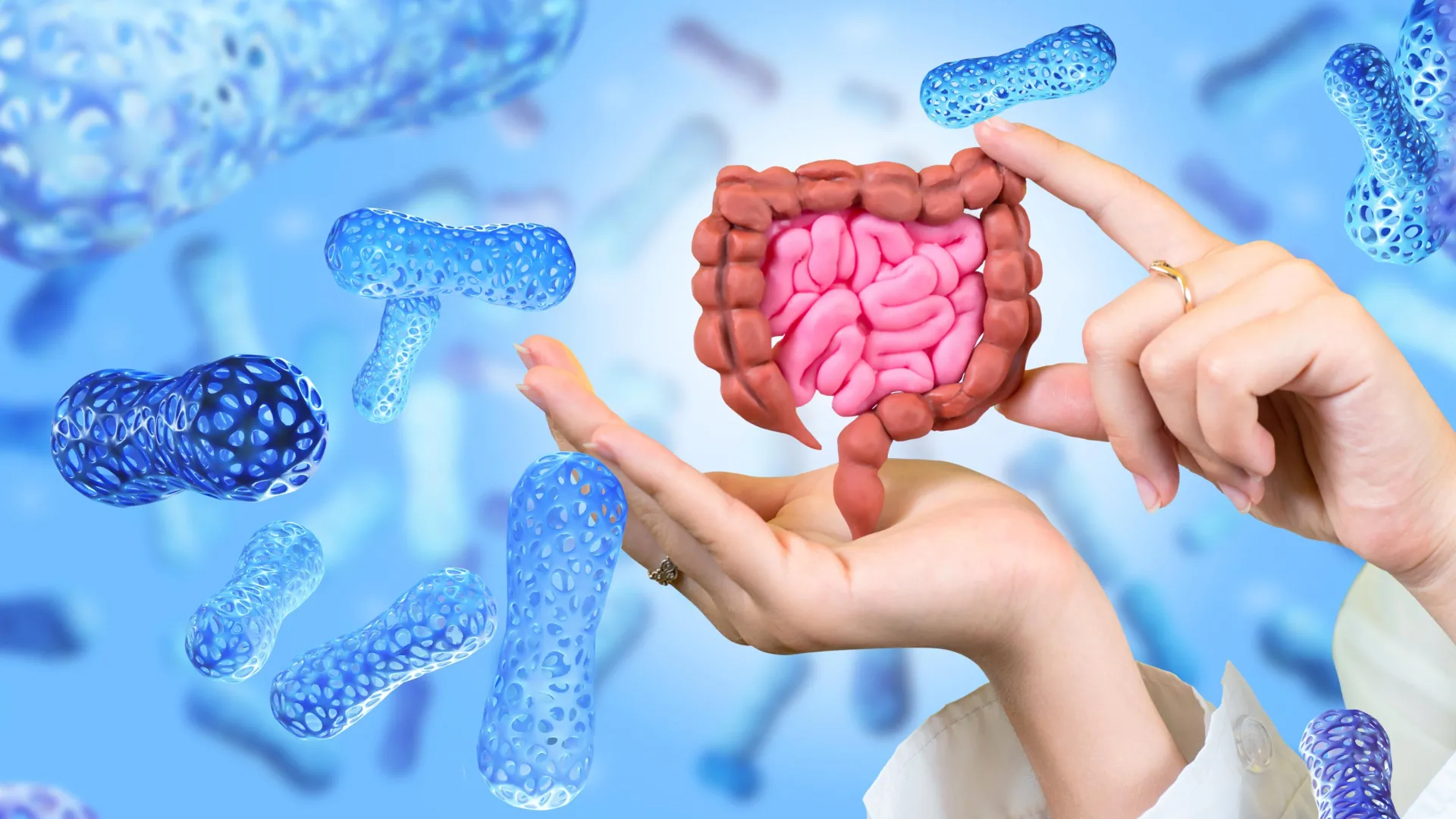
By engineering a common probiotic bacterium, Bifidobacterium longum, researchers have created a microscopic delivery system that functions like a localized "drug factory." This breakthrough, dubbed BifidoSumIL-2, represents a significant leap forward in the emerging field of synthetic biology applied to cancer therapy, offering hope that the "unclimbable mountain" of pancreatic cancer may finally have a viable path to the summit.
The Science of the "Cold" Tumor: Why Pancreatic Cancer Is Resistant
To understand the significance of this innovation, one must first grasp the nature of the pancreatic tumor microenvironment. Unlike "hot" tumors that are infiltrated by immune cells, pancreatic tumors are often surrounded by a physical and chemical barrier that prevents T cells from infiltrating the core. This immunosuppressive landscape renders traditional immunotherapies—which have revolutionized treatment for melanoma and lung cancer—largely ineffective.
For years, scientists have sought ways to "heat up" these tumors, making them visible to the immune system. The University of Chicago team, led by Dr. Ralph Weichselbaum and Dr. Mark Mimee, hypothesized that if they could deliver potent immune-stimulating molecules directly into the heart of the tumor, they could bypass the systemic toxicities that have plagued previous attempts at immunotherapy.
Chronology: From Concept to Laboratory Triumph
The development of BifidoSumIL-2 was not an overnight success; it was a multi-year, interdisciplinary odyssey that required reconciling the delicate nature of probiotic bacteria with the brutal biology of cancer.
- The Conceptual Foundation: The team identified interleukin-2 (IL-2) as a prime candidate for stimulation. While IL-2 is a potent activator of cancer-fighting T cells, its systemic administration in clinical settings is notoriously dangerous, often causing severe side effects like vascular leak syndrome.
- The Engineering Phase: Working between 2021 and 2024, the team utilized synthetic biology to create "SumIL-2," a modified version of the cytokine designed to target effector T cells while avoiding the regulatory T cells that inadvertently dampen the immune response.
- The Delivery Mechanism: The researchers selected Bifidobacterium longum—a common, safe gut bacterium—as the delivery vehicle. Through rigorous genetic engineering, they taught the bacteria to produce SumIL-2 only when triggered by the anaerobic (low-oxygen) conditions found deep within solid tumors.
- Preclinical Validation: In 2024, the team initiated tests in animal models. They observed that the bacteria successfully colonized tumors, produced the therapeutic payload, and initiated a localized immune cascade that inhibited tumor progression.
- Synergy Studies: Late-stage experiments confirmed that the bacterial therapy did not just function in isolation; it acted as a force multiplier when paired with traditional radiotherapy, chemotherapy, and anti-PD-L1 checkpoint inhibitors.
Supporting Data: How the Microscopic Factory Works
The efficacy of the BifidoSumIL-2 system lies in its inherent selectivity. Bifidobacterium longum is an obligate anaerobe, meaning it cannot survive in the presence of oxygen. In a healthy human body, the bloodstream and oxygen-rich tissues act as a natural filter, clearing the bacteria. However, the necrotic, low-oxygen core of a pancreatic tumor provides a sanctuary where these bacteria can thrive.
In their Science Advances report, the team provided compelling data:
- Selective Accumulation: Imaging showed high concentrations of the engineered bacteria exclusively within tumor tissue, with negligible presence in the liver, spleen, or healthy pancreatic tissue.
- Immune Activation: The production of SumIL-2 resulted in a marked increase in the infiltration of CD8+ T cells—the "serial killers" of the immune system—into the tumor microenvironment.
- Combination Efficacy: When compared to monotherapies, the combination of BifidoSumIL-2 with standard-of-care treatments resulted in significantly higher rates of tumor regression and extended survival intervals in preclinical models.
- Safety Profile: Because the bacteria are non-pathogenic and naturally cleared from oxygenated tissues, the systemic toxicity profile was significantly lower than that of intravenous IL-2 therapy.
Official Responses and Expert Perspectives
The project is a testament to the power of cross-pollination between disparate scientific fields. Dr. Ralph Weichselbaum, the Daniel K. Ludwig Distinguished Service Professor and Chair of Radiation and Cellular Oncology, characterized the project as a strategic assault on a major medical barrier.
"A big unmet medical need has been pancreatic cancer, and so that was going to be our mountain to climb," Dr. Weichselbaum stated. He emphasized that the findings regarding combination therapies are particularly transformative. "BifidoSumIL-2 not only works by itself—it works in concert with radiotherapy, chemotherapy, and immunotherapy. This opens a new frontier in how we sequence cancer treatments."
Dr. Mark Mimee, Assistant Professor of Microbiology, highlighted the technical challenges of the endeavor. "This was a highly interdisciplinary effort. Bifidobacterium is not the easiest organism to work with. It’s anaerobic, it grows slowly, and the genetic tools for manipulating it are limited compared to E. coli. We had to bring together people who understand bacteria, people who understand tumors, and people who understand the immune system to make something like this possible."
Implications for the Future of Oncology
The success of this study has profound implications for the "bugs as drugs" movement. If bacteria can be programmed to serve as precise drug delivery vehicles, the traditional paradigm of cancer treatment—which often involves flooding the body with systemic chemotherapy—may eventually shift toward a "localized factory" model.
1. Reducing Systemic Toxicity
By confining the production of powerful immune-signaling molecules to the tumor site, clinicians may be able to use higher, more effective doses of therapeutic agents without the risk of systemic inflammation or organ damage.
2. Overcoming Resistance
The ability of BifidoSumIL-2 to alter the tumor microenvironment makes it a promising "priming" agent. By using these bacteria to disrupt the cold environment of the tumor, doctors might render previously resistant cancers susceptible to existing immunotherapies.
3. Future Clinical Hurdles
While the preclinical data is robust, the path to the clinic remains rigorous. Future research must address:
- Long-term Safety: Determining how the immune system reacts to the bacterial delivery vehicle over extended periods.
- Delivery Methods: Investigating if oral administration of the bacteria could replace intravenous injection, which would drastically improve patient convenience and compliance.
- Broadening Scope: Testing the therapy against other solid tumors with similar anaerobic profiles, such as glioblastomas or colorectal cancers.
- Novel Combinations: Evaluating the potential for pairing this bacterial approach with next-generation drugs, including KRAS inhibitors, which are currently changing the landscape for pancreatic cancer treatment.
Conclusion: A New Era in Cancer Research
The University of Chicago’s research, supported by the Ludwig Foundation and the National Institutes of Health, underscores the necessity of bold, interdisciplinary innovation. As the medical community looks toward the future—exemplified by the upcoming opening of the AbbVie Foundation Cancer Pavilion in 2027—the integration of synthetic biology and traditional oncology offers a beacon of hope.
The "mountain" of pancreatic cancer has not yet been fully conquered, but with the development of BifidoSumIL-2, researchers have gained a new, high-tech tool to begin the ascent. By transforming the very bacteria that live in our gut into soldiers for our immune system, science is proving that the most effective solutions to our greatest biological threats may have been hiding in plain sight all along.