By Lauren Belsky
August 20, 2026
As the global population continues to shift toward an older demographic, the importance of fostering intergenerational connection and honoring the contributions of our elders has never been more critical. Tomorrow, August 21, marks "World Senior Citizens Day," a global observance dedicated to recognizing the profound wisdom, resilience, and vitality that older adults bring to our society. While often celebrated with quiet gestures of appreciation, the day serves as a powerful reminder of the systemic need to support healthy aging and combat the epidemic of social isolation.
The Foundations of a Global Observance
The history of World Senior Citizens Day is rooted in a vision of respect and inclusion. In 1988, U.S. President Ronald Reagan signed a proclamation officially recognizing the contributions of older Americans, setting the stage for a national acknowledgement of their life’s work. By August 21, 1991, this sentiment had expanded into the inaugural World Senior Citizens Day.
The holiday was conceived not merely as a day of remembrance, but as a proactive call to action. It is a time to acknowledge the individuals who have built the infrastructures of our current communities, from local businesses to national policy, and to ensure that these architects of society are supported as they age. Over the past three decades, the scope of the day has broadened, evolving from a domestic American tradition into a worldwide platform for advocacy, health awareness, and social integration.
Supporting Data: The Science of Connection
The importance of this day is backed by robust scientific literature. Modern research into gerontology and public health has shifted from viewing aging solely through the lens of decline to a model focused on "active aging."
According to data from the National Institute on Aging (NIA), engagement is a primary determinant of health outcomes. Participating in activities that one finds meaningful—whether through volunteerism, hobbies, or community advocacy—is directly linked to improved cognitive function and a reduction in the markers of physical frailty.
Furthermore, a landmark study published by Harvard Medical School underscores that social interaction is not just a psychological benefit, but a physiological necessity. The research suggests that broader social networks are inversely correlated with the risk of chronic disease and mortality. When older adults remain socially integrated, they are more likely to adhere to healthy lifestyles, maintain nutritional standards, and seek timely medical care, effectively mitigating the risks associated with sedentary behavior and depression.
The Neuropsychiatric Implications of Isolation
Loneliness is often referred to as a "silent epidemic" among the elderly, with health implications comparable to smoking 15 cigarettes a day. The neuropsychiatric symptoms associated with isolation—such as boredom, chronic anxiety, and depression—can accelerate cognitive decline.
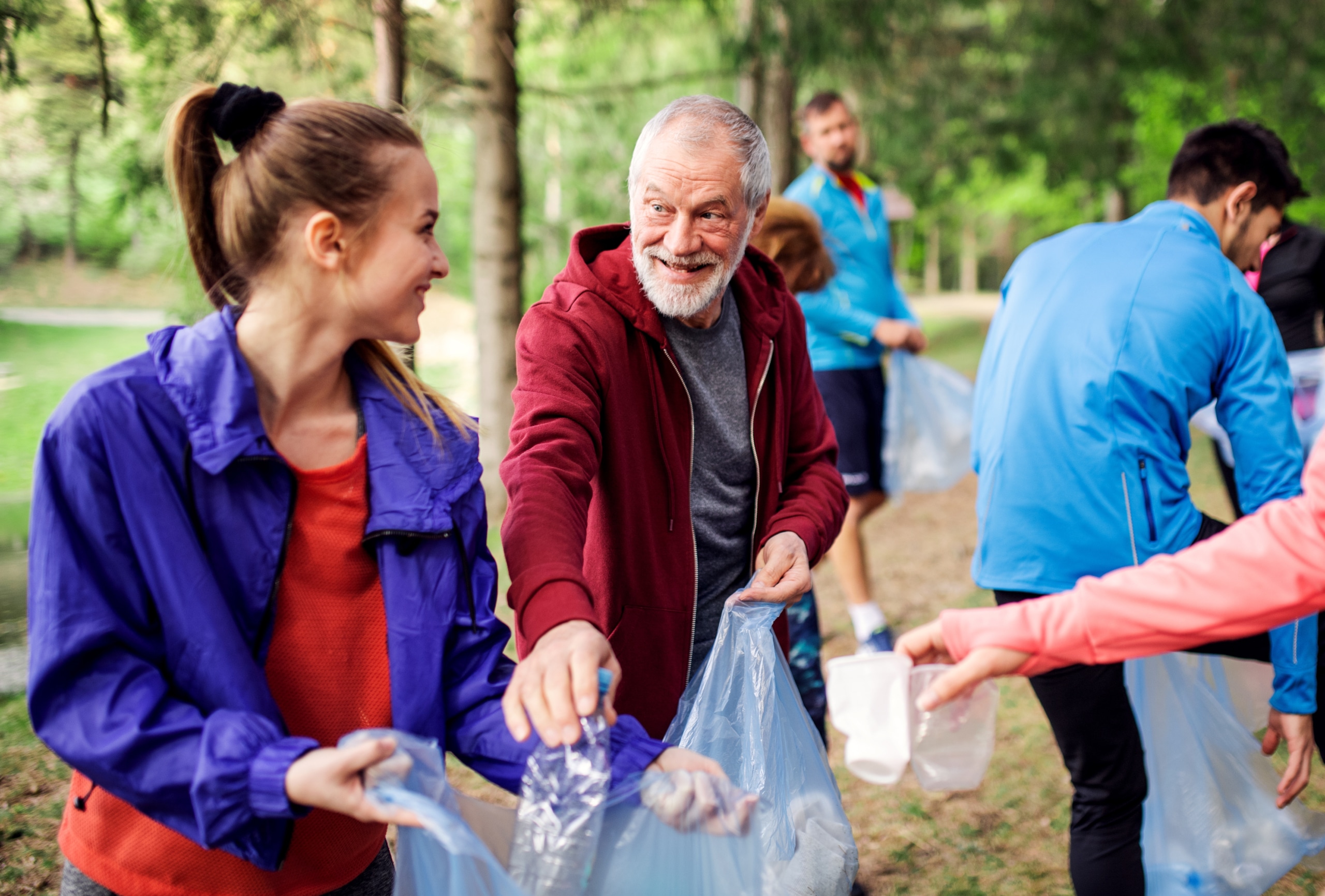
By intentionally creating opportunities for older adults to participate in community life, society can counteract these trends. The goal is to transform the narrative of aging from one of "retirement" to one of "re-engagement." When an older adult feels their wisdom is valued, their sense of purpose increases, which acts as a protective buffer against mental health disorders. This is why the Alliance for Aging Research and similar organizations advocate for policy changes that prioritize age-friendly infrastructure, such as accessible public transport, community centers, and intergenerational mentorship programs.
Official Responses and the Policy Landscape
Governmental bodies and health organizations are increasingly viewing Senior Citizens Day as an opportunity to assess the status of aging policy. The Department of Health and Human Services (HHS) and the Administration for Community Living (ACL) often utilize the week surrounding August 21 to highlight initiatives aimed at combating elder abuse, improving long-term care quality, and expanding digital literacy for seniors.
"The contributions of our older citizens are the bedrock of our progress," noted a representative from the Alliance for Aging Research. "When we celebrate this day, we are not just looking back at history; we are looking forward to a future where aging is treated as a phase of life characterized by continued growth and contribution, rather than stagnation."
Policy experts argue that the economic contribution of older adults—through mentorship, volunteer labor, and intergenerational wealth transfer—is vastly underestimated. A societal commitment to the wellbeing of seniors is, therefore, a commitment to economic and social stability for the country at large.
How to Celebrate Your Older Loved Ones
Celebrating doesn’t require grand gestures or significant financial expenditure. Often, the most meaningful impact comes from intentional presence.
- Active Listening: Schedule time to record or document family histories. Asking older loved ones about their life experiences not only provides a sense of purpose for them but preserves valuable cultural and familial memory.
- Skill-Sharing Sessions: Encourage your loved ones to teach you a skill they possess, whether it is gardening, cooking, or a craft. This reverses the traditional dynamic and fosters mutual respect.
- Digital Inclusion: Help older adults navigate new technology so they can stay connected with family members who may live far away. A simple video call can drastically reduce feelings of isolation.
Community Engagement: A Pathway to Vitality
For those looking to get involved on a broader scale, there are numerous ways to foster community-wide health:
- Intergenerational Programs: Seek out local initiatives that pair youth with seniors for tutoring or mentorship. These programs have been shown to boost self-esteem in both demographics.
- Volunteer Advocacy: Assist local senior centers in organizing events or providing transportation for those who are homebound.
- Policy Support: Engage with local government to advocate for "Age-Friendly City" initiatives, which improve urban planning, housing, and public health access for older residents.
- Community Hubs: Organize or participate in community gardens or book clubs that are intentionally inclusive of older age groups, ensuring they remain active participants in local social life.
The Future of Aging: Moving Beyond August 21
While World Senior Citizens Day serves as a vital focal point, the ultimate goal is to ensure that the appreciation and support shown on this day become a year-round standard. The Alliance for Aging Research works tirelessly to ensure that policy, research, and public sentiment align with the reality that our older population is growing, vibrant, and essential.
The "mark" left by older generations is not a static footprint; it is a living legacy that continues to shape our neighborhoods, our families, and our institutions. As we celebrate this year, let us commit to the idea that aging is a collaborative journey. By ensuring that our older citizens feel seen, heard, and empowered, we aren’t just improving their quality of life—we are enriching the very fabric of our shared humanity.
Whether you are celebrating a grandparent, a neighbor, or a mentor, take this August 21 as a starting point. Let the appreciation of today inspire the advocacy of tomorrow. Our communities are only as strong as the care we extend to those who have paved the way for us.
Lauren Belsky serves as the Development Coordinator for the Alliance for Aging Research, an organization dedicated to accelerating the pace of scientific discoveries and their application to vastly improve the universal human experience of aging.