In a discovery that could fundamentally alter the clinical approach to metabolic dysfunction-associated steatohepatitis (MASH), researchers at McMaster University have identified a groundbreaking, non-weight-related function of the hormone GDF15. Published in the August 10, 2026, issue of Cell Metabolism, the study reveals that GDF15 acts as a sophisticated biological sentinel, shielding the liver from inflammation and fibrosis through a previously undocumented brain-to-liver signaling pathway.
For years, the scientific community has categorized GDF15 primarily as an appetite-suppressing agent—a key player in the body’s weight-regulation machinery. However, this new evidence suggests that GDF15’s utility extends far beyond metabolic regulation. By demonstrating that the hormone can mitigate liver damage independently of weight loss, the research team has opened a new frontier for therapeutic intervention in a condition that currently threatens millions of lives worldwide.
The Global Crisis of MASH: A Clinical Overview
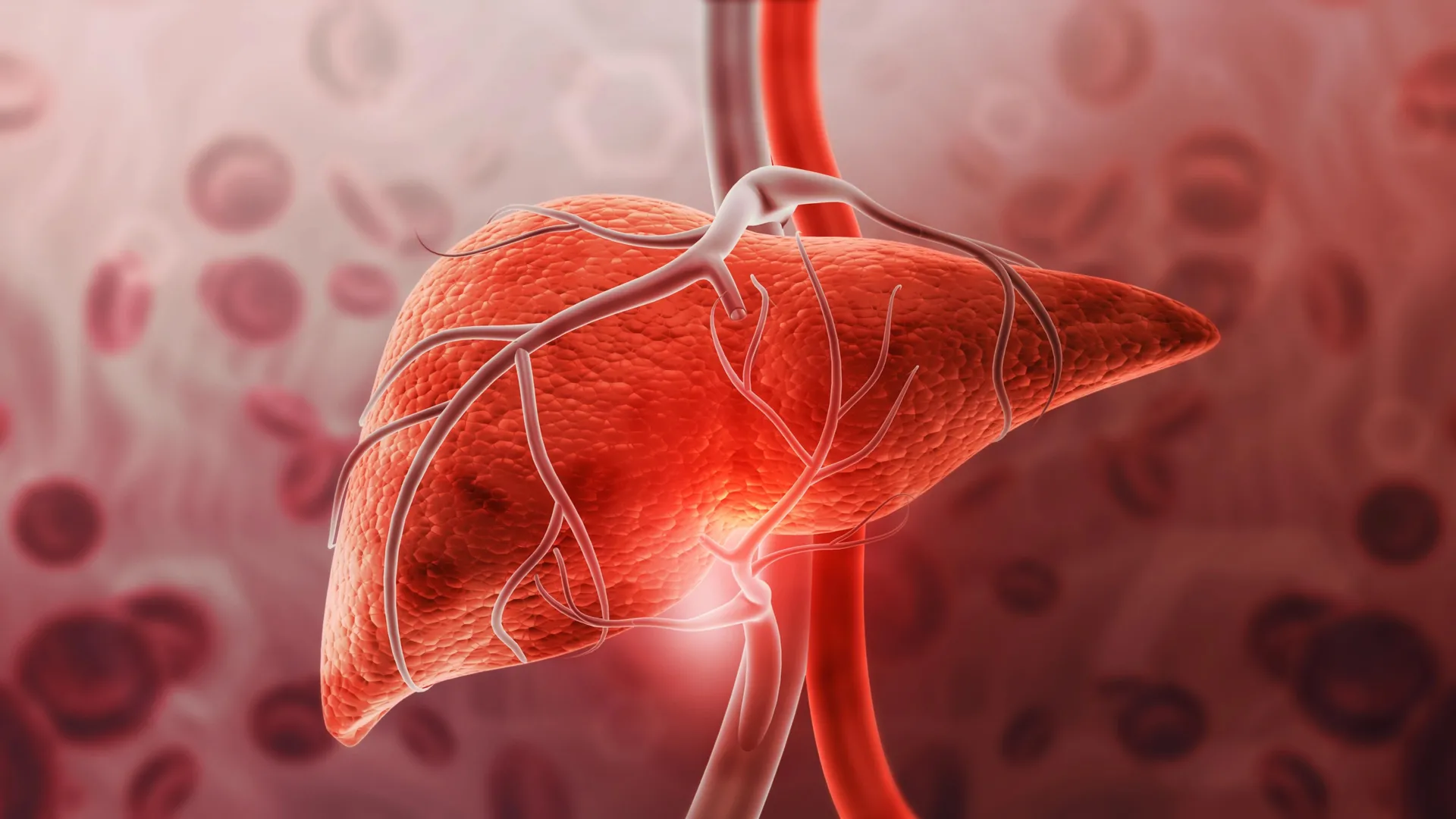
Metabolic dysfunction-associated steatohepatitis (MASH) represents the severe, inflammatory end of the fatty liver disease spectrum. Unlike simple steatosis, which involves the benign accumulation of fat, MASH is characterized by chronic inflammation and the formation of fibrous scar tissue within the liver. Left unchecked, the disease follows a devastating trajectory: from inflammation to cirrhosis, and eventually, to hepatocellular carcinoma or total liver failure.
While the recent rise of GLP-1 receptor agonists and other weight-loss therapeutics has provided patients with new tools to manage body mass, the clinical reality remains sobering. Even among patients who achieve substantial weight loss, residual liver inflammation often persists, suggesting that the underlying drivers of MASH are more complex than caloric intake or adiposity alone. The McMaster study addresses this "missing link," proposing that the body possesses an internal, underutilized defense system that, if properly leveraged, could halt the progression of liver damage where current treatments fall short.
Chronology of Discovery: From Appetite Control to Liver Protection
The path to this discovery was not linear. It began with the team’s foundational work on how the body manages energy expenditure. In 2023, senior author Gregory Steinberg, a professor in the Department of Medicine and co-director of the Centre for Metabolism, Obesity and Diabetes Research (MODR), published research detailing how GDF15 helps the body maintain metabolic rate during weight loss.
However, the team remained curious about the hormone’s broader systemic effects. The current study, led by first and corresponding author Dongdong Wang, sought to explore GDF15’s interaction with the liver in the context of advanced disease. Utilizing a sophisticated array of genetic, pharmacological, and spatial transcriptomics techniques in mouse models that mirror human MASH, the researchers observed a phenomenon that defied traditional expectations.
As they administered GDF15 to these models, they noticed a significant reduction in liver inflammation and fibrosis—even in cases where the subjects’ body weight and total liver fat remained unchanged. This observation immediately challenged the long-held dogma that the benefits of GDF15 were exclusively secondary to its effects on appetite.
Mechanisms of Action: The Brain-to-Liver Axis
The crux of the research lies in the identification of the biological pathway through which GDF15 exerts its protective effects. The team discovered that GDF15 initiates a signal originating in the brain. This signal propagates through the central nervous system, ultimately triggering the release of glucocorticoids—a class of steroid hormones central to the regulation of metabolism, immune responses, and stress management.
Once these glucocorticoids are released, they travel to the liver, where they act as potent anti-inflammatory agents. According to Dr. Dongdong Wang, this process effectively "reprograms" liver cells.
"Instead of causing liver damage, GDF15 appears to help calm the liver’s immune system," Dr. Wang explains. "It shifts immune cells into a more protective and less active state, helping reduce inflammation and prevent damage to the liver."
This spatial transcriptomics approach allowed the team to map exactly how these cells alter their behavior in response to GDF15, providing a level of granular detail that had previously been unattainable. The discovery suggests that GDF15 is not merely a metabolic regulator but a crucial mediator of the body’s innate defense mechanism against chronic organ injury.
Official Responses and Expert Perspective
The implications of this study are being met with significant interest from both the academic and medical communities. Dr. Gregory Steinberg emphasized that the findings necessitate a paradigm shift in how physicians treat MASH.
"Our findings show that GDF15 does much more than regulate appetite and body weight," Steinberg stated. "We discovered that GDF15 activates a natural brain-to-liver signaling pathway that helps suppress liver inflammation and reduce fibrosis. This changes how we think about the hormone and suggests it may be part of the body’s own defense system against chronic liver injury."
The study was a highly collaborative effort, involving experts from Novo Nordisk A/S, including Rune E. Kuhre and Sebastian B. Jørgensen, who provided critical research support and the GDF15 hormone used throughout the experimental phases. Funding for the project was provided by major Canadian research institutions, including the Natural Sciences and Engineering Research Council of Canada (NSERC), the Canadian Institutes of Health Research (CIHR), and Diabetes Canada.
Clinical Implications: A Two-Pronged Strategy
Perhaps the most exciting takeaway from the McMaster study is the potential for "combination therapy." Current clinical standards for MASH are almost exclusively focused on weight loss and the reduction of ectopic fat. However, because inflammation is the primary driver of fibrosis, treating weight alone often leaves the liver vulnerable to long-term scarring.
Dr. Steinberg argues that future therapies should be dual-focused. "Current therapies largely focus on reducing body weight and liver fat," he noted. "Our work suggests there may be value in combining those approaches with therapies that directly target inflammation. By understanding how the body naturally protects the liver, we can identify new opportunities to develop more effective treatments for people living with MASH."
This research aligns with ongoing efforts to commercialize findings in the metabolic space. Dr. Steinberg, who serves as an executive member of NexusHealth at McMaster and is a co-founder of Espervita Therapeutics, has previously co-authored preclinical research on drug candidates for advanced liver disease. While that research focused on external compounds, the current study provides the essential biological "blueprint" that could guide the development of future drugs designed to mimic or enhance this natural, GDF15-mediated signaling pathway.
Conclusion: The Road Ahead
As the global burden of metabolic disease continues to grow, the need for targeted, effective therapies has never been more urgent. The identification of the GDF15-mediated brain-to-liver axis provides a ray of hope for millions.
By separating the anti-inflammatory benefits of the hormone from its weight-loss effects, the McMaster University team has successfully decoupled two processes that were previously thought to be inextricably linked. This clarity provides researchers with a more precise target for drug development: one that focuses on the liver’s immune environment rather than just the patient’s scale.
While further clinical trials will be necessary to translate these findings from mouse models to human patients, the foundation is set. The discovery reinforces the idea that the body holds its own answers to chronic disease—the challenge, and the triumph, lies in learning how to listen to the signals the body is already sending. As we move toward 2027 and beyond, the integration of these findings into clinical practice could represent the next major evolution in hepatology, offering a comprehensive strategy to fight the "silent" epidemic of fatty liver disease.