




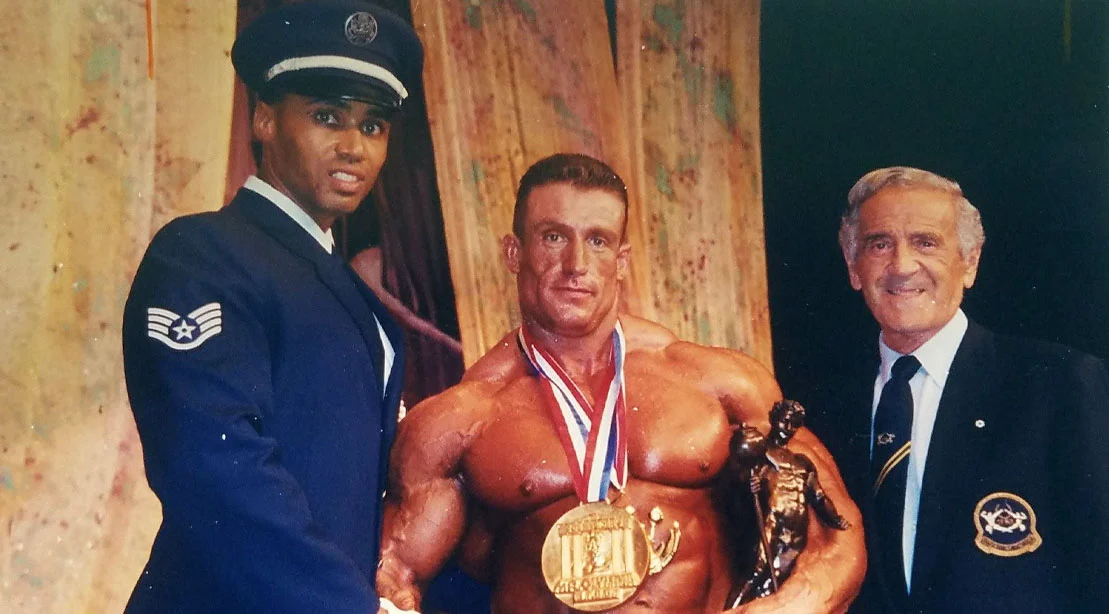
Every year, as the lights dim at the Mr. Olympia finals, the atmosphere shifts from the roar of a sports arena to the hushed, reverent stillness of a national ceremony. Since 2001, the event has been heralded not just by the anticipation of crowning the next king of bodybuilding, but by the presentation of the colors by a United States Honor Guard unit, followed by the stirring strains of the national anthem. This tradition, inaugurated by the legendary IFBB Pro League President Ben Weider, serves as a poignant reminder that the world’s most prestigious bodybuilding stage thrives on a bedrock of values shared with those who wear the nation’s uniform.
While the spectacle of the Olympia is defined by physical perfection and the pursuit of aesthetic excellence, the connection between the bodybuilding industry and the military is far deeper than a pre-show ceremony. It is a symbiotic relationship rooted in the shared language of discipline, sacrifice, and the relentless pursuit of human potential.
A Legacy of Service: The Roots of Ben Weider’s Vision
To understand the profound synergy between the IFBB and the military, one must look at the man who steered the ship of professional bodybuilding for decades. Ben Weider’s biography is often framed by his monumental contributions to the sport, yet his life began with a call to duty.
Born in Montreal, Quebec, Weider was far more than a sports executive. In 1942, at the height of World War II, he enlisted in the Canadian Army. Serving in the 6th Duke of Connaught’s Royal Canadian Hussars, Weider utilized his keen analytical mind in the Canadian Intelligence Corps. This formative experience instilled in him a lifelong respect for the military—an appreciation that would eventually manifest in the culture of the IFBB.
Following his military service, Ben and his brother Joe revolutionized the fitness industry, building a global empire that brought bodybuilding from the fringes of society into the mainstream. While Joe focused on the editorial and creative growth of brands like Muscle & Fitness, Ben steered the international politics of the sport as the first IFBB president. Throughout his ascent to global influence, Ben never lost the military bearing he acquired in his youth. He remained deeply connected to the ethos of service, eventually receiving numerous accolades for his work, including being named an Officer of the Order of Canada and holding the title of Honorary Colonel of the 62nd (Shawinigan) Field Artillery Regiment, RCA.
Chronology of a Tradition: 2001 and the Birth of a Movement
The formal integration of the military into the Mr. Olympia experience was not a marketing tactic, but a visceral response to a national tragedy. Following the terrorist attacks on September 11, 2001, the United States was gripped by a sense of vulnerability and a renewed appreciation for those who stood on the front lines of defense.
Ben Weider, sensing the pulse of the nation, reached out to his inner circle, including military advocate and veteran Rob Wilkins. The proposal was simple but profound: to invite local service members from Las Vegas-area bases to the Olympia and to have the Honor Guard present the colors. What began as a goal to provide 200 tickets quickly snowballed into a massive show of support. By the time the event concluded, over 1,200 active-duty personnel had been welcomed into the arena.
Rob Wilkins, who served as an executive assistant to Weider, recalls the atmosphere as transformative. "To this day, there was never anything more electrifying for me than when they would chant ‘USA, USA,’" Wilkins reflects. That inaugural gesture set a precedent that has been honored annually for a quarter of a century. As the bodybuilding community prepares to celebrate the 25th anniversary of this tradition in 2026, the commitment remains stronger than ever.
Bridging Worlds: The Disciplines of Service and Steel
The bond between the military and bodybuilding is far from superficial. Observers of both worlds often note that while the outcomes differ—readiness for national defense versus the pursuit of a competitive physique—the foundational habits required to succeed are identical.
The Anatomy of Discipline
Both the soldier and the bodybuilder live by the clock. The military requires an uncompromising adherence to operational standards, while the professional bodybuilder operates under the strictures of a contest-prep diet and training regimen. In both domains, progress is the result of thousands of hours of "invisible labor"—the early morning sessions, the repetitive drills, the dietary sacrifices, and the refusal to succumb to fatigue.
The Philosophy of Self-Improvement
Beyond the physical requirements, both spheres act as ambassadors for wellness and self-mastery. The military trains individuals to push past their perceived limits to ensure survival and mission success. Bodybuilding challenges the individual to reconstruct their own biology through sheer force of will. In both cases, the goal is to become the most capable version of oneself, a sentiment that resonates deeply with audiences who look to these figures for inspiration.
Official Responses and Industry Impact
The leadership of the current bodybuilding landscape recognizes that the "Iron Alliance" is a vital component of the sport’s identity. Olympia President Dan Solomon, who was mentored by Ben Weider, has made it a priority to expand upon the foundation laid by his predecessor.
"Ben laid the groundwork for a meaningful connection between bodybuilding and the military," Solomon notes. "Since his passing, we have welcomed thousands of active-duty men and women to Olympia Weekend, while continuing to tell their stories in our Fit to Serve section. We’re always exploring new ways to show our gratitude."
This sentiment is echoed by current leadership, including Olympia owner Jake Wood, who has continued to provide the resources necessary to keep the tradition alive. The Fit to Serve column, co-founded by Wilkins and Solomon, has become a premier platform for highlighting the stories of service members and first responders, documenting nearly 140 unique journeys since 2021. For many, this column is more than just content; it is a vital bridge between the civilian fitness community and the heroic individuals who keep the nation safe.
Implications for the Future
As we look toward the future of the IFBB Pro League and the Mr. Olympia brand, the relationship with the military stands as a pillar of the event’s integrity. The decision to honor those in uniform is not merely an act of patriotism; it is an affirmation of the values the sport seeks to promote.
Sustaining the Moral Compass
By consistently integrating the military into the heart of the Olympia, the industry ensures that its athletes and fans are reminded of the gravity of service. It serves as a check against the narcissism that can sometimes plague aesthetic-based sports. When a competitor sees a veteran in the crowd, it puts their own struggle—a grueling diet or a heavy squat—into a broader context of sacrifice.
A Legacy That Outlasts the Stage
The legacy of Ben Weider is not found solely in the trophies or the record books. It is found in the continued commitment to the soldiers, sailors, airmen, and marines who attend the show. When the 2026 Olympia arrives, it will mark a quarter-century of this partnership. It is a milestone that speaks to a consistency of character within the bodybuilding industry.
The "Iron Alliance" remains a testament to the fact that strength is not just about the size of one’s muscles, but about the size of one’s conviction. Whether that conviction is displayed in the heat of a military operation or on the blindingly bright stage of the Olympia, the result is the same: a profound, silent, and unwavering pursuit of excellence that serves as an inspiration to the world.
As Rob Wilkins aptly summarizes, "I’m honored that they still recognize the importance of continuing the tradition." For as long as the Olympia remains the pinnacle of the sport, it will continue to stand as a salute to those who protect the very freedoms that allow such a spectacle to exist in the first place. The connection between the warrior and the athlete is a bond forged in sweat, sustained by discipline, and cemented by a mutual, unbreakable respect.