For decades, the name Linus Pauling was synonymous with scientific brilliance. As one of the most decorated researchers of the 20th century, Pauling achieved the rare distinction of winning two unshared Nobel Prizes—one for Chemistry and another for Peace. Yet, his legacy remains bifurcated. While his foundational work on chemical bonds and protein structure remains the bedrock of modern molecular biology, his final decades were defined by a controversial, obsessive crusade: the promotion of high-dose vitamin C as a panacea for everything from the common cold to terminal cancer.
For years, the medical establishment dismissed Pauling’s late-career claims as pseudoscience. When he succumbed to prostate cancer at 93, critics cited his decline as a tragic testament to the "halo effect"—the cognitive bias wherein a genius in one field mistakenly assumes their expertise extends to all others. However, half a century later, the scientific narrative is shifting. Modern research suggests that Pauling was not merely a deluded outlier; he was a man who glimpsed a profound biological mechanism, even if he lacked the precision to prove it at the time.
The Chronology of a Scientific Schism
The story of Pauling’s foray into oncology began in the 1970s. Teaming up with Scottish physician Ewan Cameron, Pauling observed patients with advanced, incurable malignancies who were administered massive doses of ascorbic acid. Initially, the treatment was delivered via intravenous (IV) infusion, followed by oral supplementation. The results were, to the lay observer, staggering: patients receiving the vitamin reported increased longevity and improved quality of life compared to those who did not.
The medical community, however, remained skeptical. To settle the debate, the Mayo Clinic conducted two rigorous, double-blind, randomized clinical trials. The findings were devastating to the Pauling-Cameron hypothesis: when administered orally, vitamin C provided no survival benefit to cancer patients. This definitive "no" effectively relegated vitamin C to the fringes of alternative medicine. Oncologists filed the topic away as a closed case, and Pauling’s reputation took a significant, albeit temporary, hit.
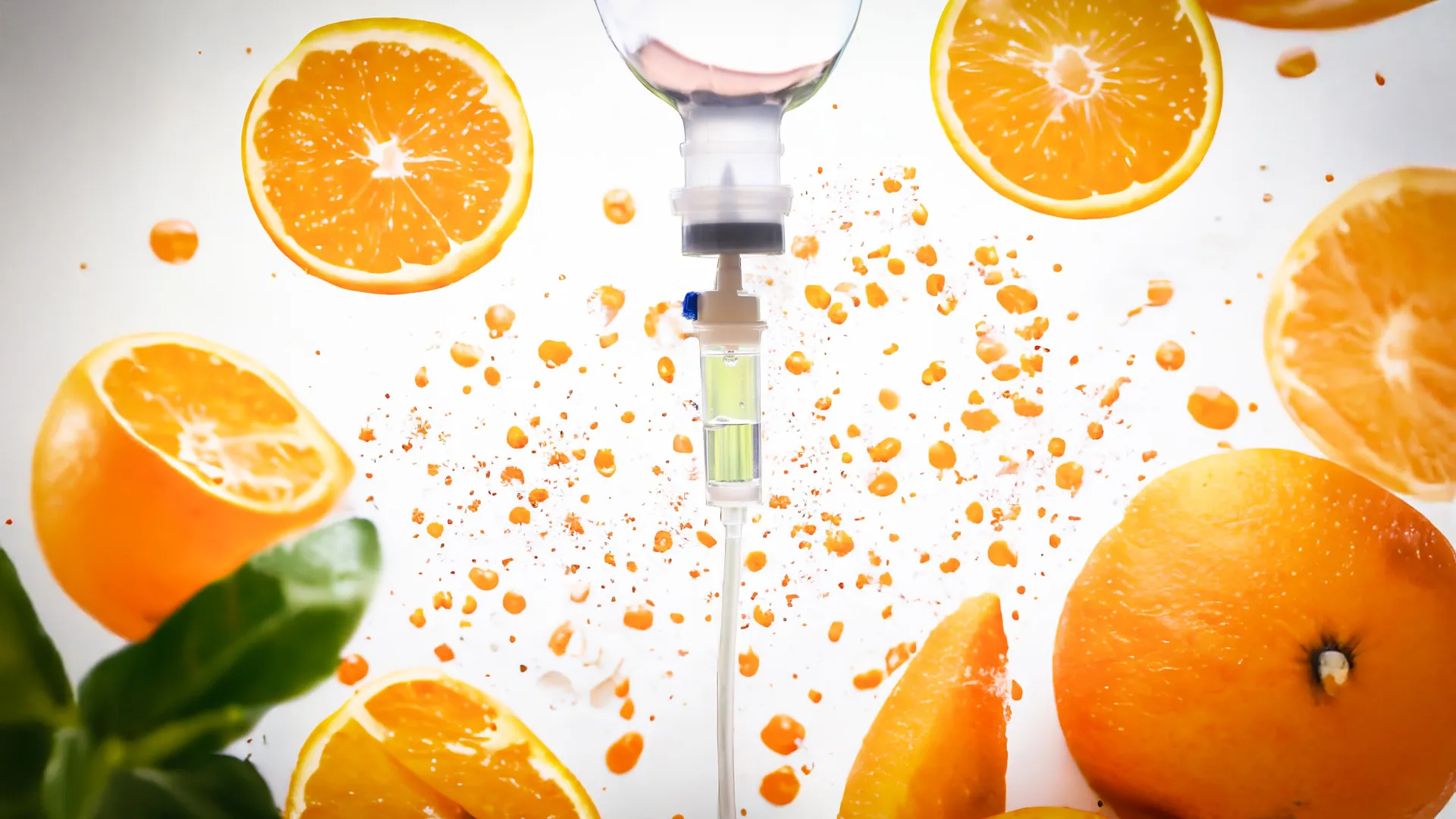
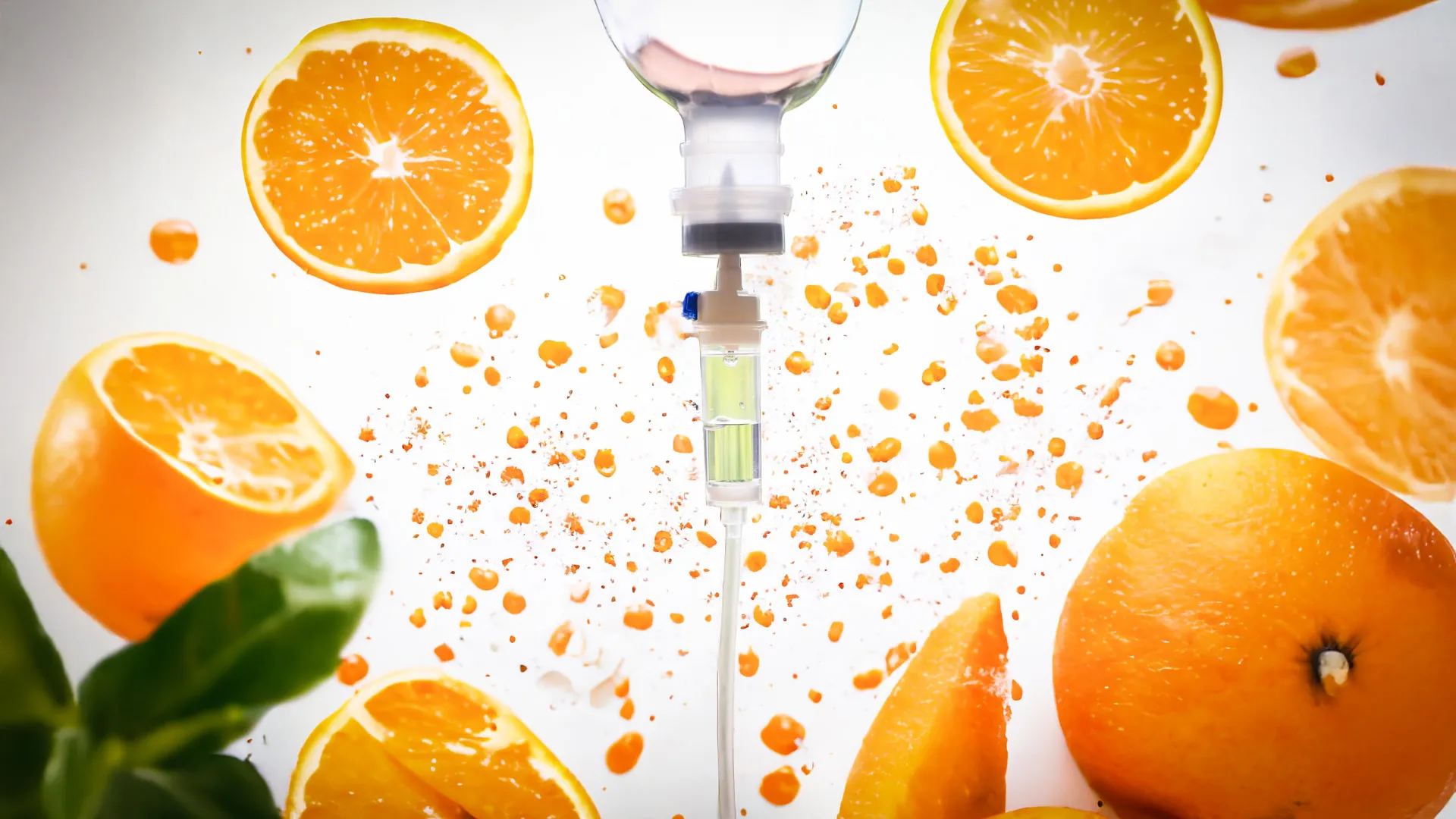
The oversight that both camps missed at the time was fundamental: the mode of delivery. The Mayo Clinic studies utilized oral tablets, whereas the initial, more successful observations had utilized IV drips. Human physiology is designed to maintain homeostasis; the gut has a strict absorption threshold for vitamin C. Once blood levels reach a certain saturation point, the body simply excretes the excess. You could swallow a thousand tablets, and your blood levels would plateau. Conversely, an IV drip bypasses the digestive system entirely, allowing plasma concentrations to skyrocket to levels 100 to 500 times higher than oral intake could ever achieve.
The Biological Mechanism: From Antioxidant to Pro-Oxidant
The reason this dosage gap matters is rooted in the dual nature of vitamin C. In everyday physiological doses, vitamin C acts as a classic antioxidant, scouring the body for harmful free radicals and protecting healthy cellular structures. It is a vital nutrient for immune function and collagen synthesis.
However, at "pharmacological" doses—those only achievable via intravenous infusion—vitamin C undergoes a metabolic transformation. Inside the microenvironment of a tumor, it can act as a pro-oxidant. Laboratory studies have shown that at these high concentrations, vitamin C helps facilitate the production of hydrogen peroxide.
Cancer cells, which are often characterized by rapid, uncontrolled growth, exist in a state of chronic metabolic stress. They often reside in poorly vascularized areas of the body, lacking the robust antioxidant defenses of healthy tissue. When hit with a sudden "pulse" of hydrogen peroxide, these stressed cells are overwhelmed. Their DNA is damaged, their energy-producing machinery falters, and they undergo programmed cell death (apoptosis). Crucially, healthy cells, which possess more sophisticated antioxidant enzymes, are better equipped to neutralize the hydrogen peroxide, remaining largely unscathed. In this specific, high-dose context, vitamin C ceases to function as a vitamin and begins to behave more like a selective, albeit mild, chemotherapy agent.
Supporting Data and Clinical Realities
While the laboratory evidence is compelling, the jump to human clinical application is fraught with complexity. Current evidence remains "early and mixed." Small-scale pilot studies have examined the use of high-dose IV vitamin C in patients with aggressive, hard-to-treat cancers, including pancreatic, ovarian, and glioblastoma.
The consensus from these early trials suggests that high-dose infusions are generally well-tolerated when administered in a clinical setting. However, they are not without risk. Patients with impaired renal function or specific genetic conditions (such as glucose-6-phosphate dehydrogenase deficiency) can suffer adverse effects. This confirms that high-dose vitamin C is not a benign "wellness" treatment to be dispensed by boutique clinics, but a potent medical intervention requiring strict professional oversight.
Furthermore, while some studies indicate that combining IV vitamin C with standard chemotherapy may reduce side effects—such as fatigue, nausea, and pain—the impact on overall survival remains unproven. The current body of data is too fragmented to establish a standard-of-care protocol. It is not the "cure" that Pauling envisioned, but it may be a valuable "supportive care" tool that improves the patient’s quality of life during grueling treatment regimens.
Implications for Modern Medicine
The implications of this evolving research are threefold:
- The Importance of Delivery Systems: The history of vitamin C in cancer serves as a cautionary tale about the critical nature of pharmacokinetics. The failure of the Mayo Clinic trials was not a failure of the molecule, but a failure to appreciate how the human body processes it.
- Epigenetic Signaling: Beyond the pro-oxidant effect, new research hints that vitamin C may influence the epigenome. Enzymes involved in DNA methylation—the process by which genes are "marked" and expressed—are sensitive to vitamin C levels. By modulating these enzymes, high-dose vitamin C might help "reprogram" cancer cells, making them less aggressive and more sensitive to conventional therapies.
- The Integration of Science: The story encourages a more nuanced view of "alternative" medicine. It demonstrates that a hypothesis can be "wrong" in its initial claims (that vitamin C cures all cancer) while being "right" in its core suspicion (that the substance has untapped therapeutic potential).
The Verdict: A Legacy Re-evaluated
Was Linus Pauling right? To grant him a total victory would be intellectually dishonest. He was wrong to promote tablets as a primary cure and wrong to ignore the lack of efficacy in early, poorly designed trials. His rhetoric often outpaced the evidence, leading to a polarization of the medical community that arguably set the field back by decades.
However, he was not entirely wrong. He possessed a scientist’s intuition—an ability to look past the dogma of his time and identify a biological anomaly that others were too cautious to investigate. Modern research has vindicated the idea that high-dose intravenous vitamin C has distinct, potent biological effects that warrant serious inquiry.
Science rarely moves in a straight, linear path toward truth. It is a messy, iterative process characterized by bold claims, fierce backlash, and, eventually, a quiet, methodical return to the data. The "vitamin C in cancer" saga is a textbook example of this cycle. Today, we are witnessing the "careful return." We are no longer asking if vitamin C is a miracle cure, but rather if it can be harnessed as a sophisticated tool within the oncology toolkit. Linus Pauling may never be fully vindicated in the eyes of history, but he has been spared the indignity of being proven completely wrong. In his final, controversial crusade, he had, in fact, glimpsed a profound biological reality long before the rest of the world knew how to look for it.