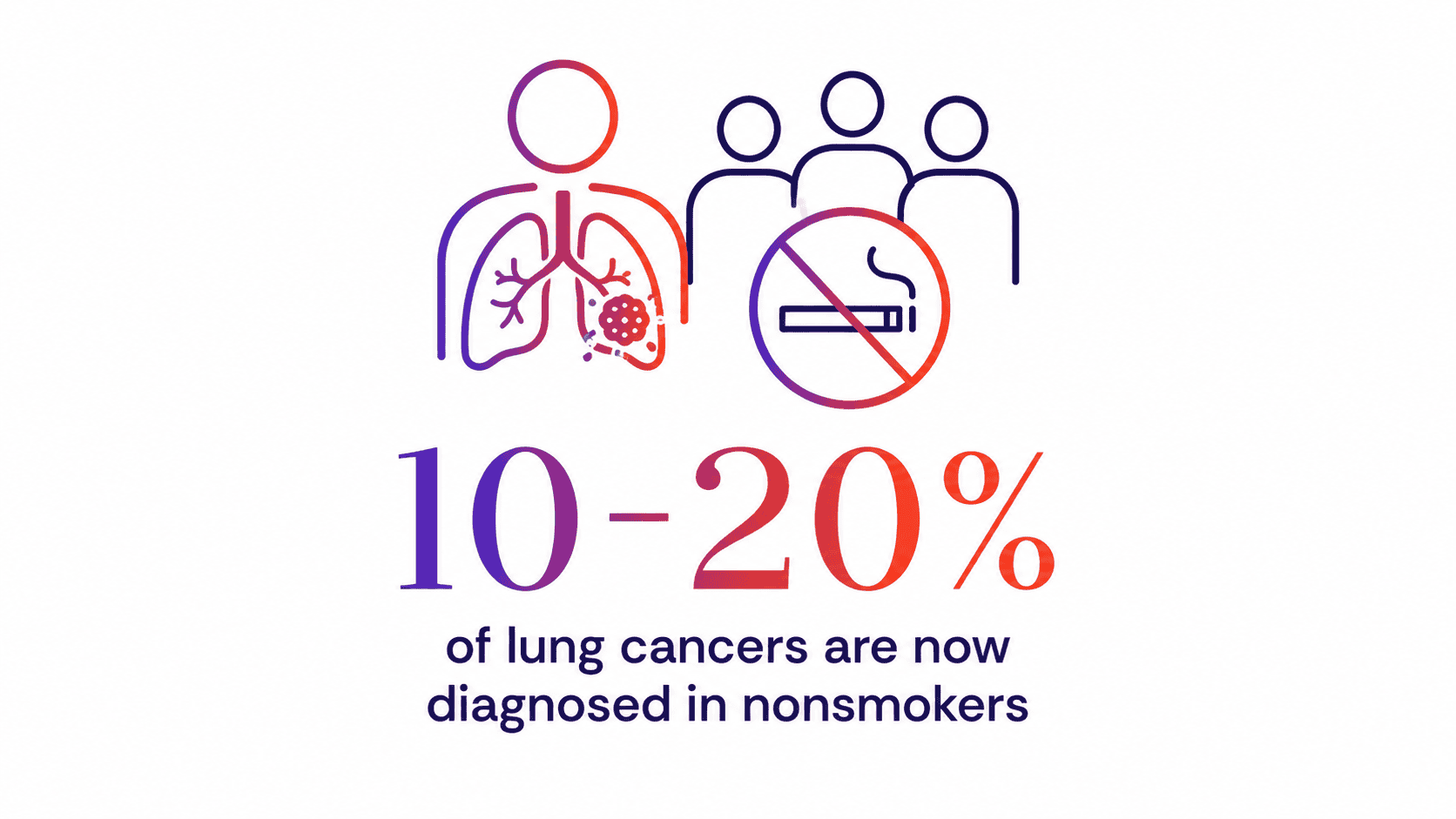
For generations, the narrative surrounding lung cancer has been singular and clear: it is a disease inextricably linked to the tobacco industry. While smoking remains the primary driver of lung cancer globally, a shifting epidemiological landscape is forcing the medical community to rethink the disease’s origins. Today, between 10% and 20% of all lung cancer diagnoses occur in individuals who have never touched a cigarette.
This rising phenomenon, now classified by researchers as Lung Cancer in Never-Smokers (LCINS), is not merely a subset of the traditional disease. It is increasingly viewed as a distinct clinical entity—one with unique genetic markers, biological behaviors, and specialized treatment requirements that challenge the status quo of modern oncology.
The Evolution of a Disease: A Chronological Shift
Historically, lung cancer was almost exclusively the domain of heavy, long-term smokers, typically diagnosed in the later stages of life. However, the last two decades have revealed a sobering divergence.
- The Early Awareness (Pre-2000s): Lung cancer in non-smokers was rare, often dismissed as an anomaly or misattributed to hidden tobacco exposure.
- The Genomic Turning Point (2010–2020): Advances in next-generation sequencing allowed researchers to peek inside the tumors of non-smokers. They discovered that instead of the "thousands of DNA mutations" typically found in smoking-related tumors—caused by the carcinogens in tobacco smoke—LCINS tumors were often driven by a singular, specific genetic "driver" mutation.
- The Modern Crisis (2020–Present): Data collected globally suggests a steady climb in LCINS incidence. Epidemiologists have noted that two-thirds of these cases occur in women, with a particularly high prevalence among women of Asian descent. This demographic trend has provided a vital clue: the disease is likely influenced by a complex interplay of genetic susceptibility, hormonal factors, and environmental triggers.
Biological Distinctions: More Than Just "Non-Smoking"
To understand LCINS, one must move beyond the absence of cigarettes. Biologically, LCINS behaves differently. While smoking-related cancers (often Small Cell Lung Cancer, or SCLC) are characterized by rapid mutation and aggressive spread, the most common form of LCINS—Adenocarcinoma, a subtype of Non-Small Cell Lung Cancer (NSCLC)—tends to grow differently.
These tumors are often "smarter," relying on specific signaling pathways to proliferate. Because they possess fewer overall mutations than smoking-induced tumors, they often present a "colder" environment to the immune system. This makes traditional immunotherapy—which relies on the immune system identifying a high volume of foreign-looking mutations—less effective. Consequently, the medical community is moving toward precision medicine, targeting these specific genetic drivers rather than employing a "one-size-fits-all" chemotherapy approach.
Environmental Catalysts: The Invisible Risks
If tobacco is not the culprit, what is? The rise in LCINS is likely a cumulative effect of environmental exposures that have become more pervasive in the 21st century.

1. The Radon Threat
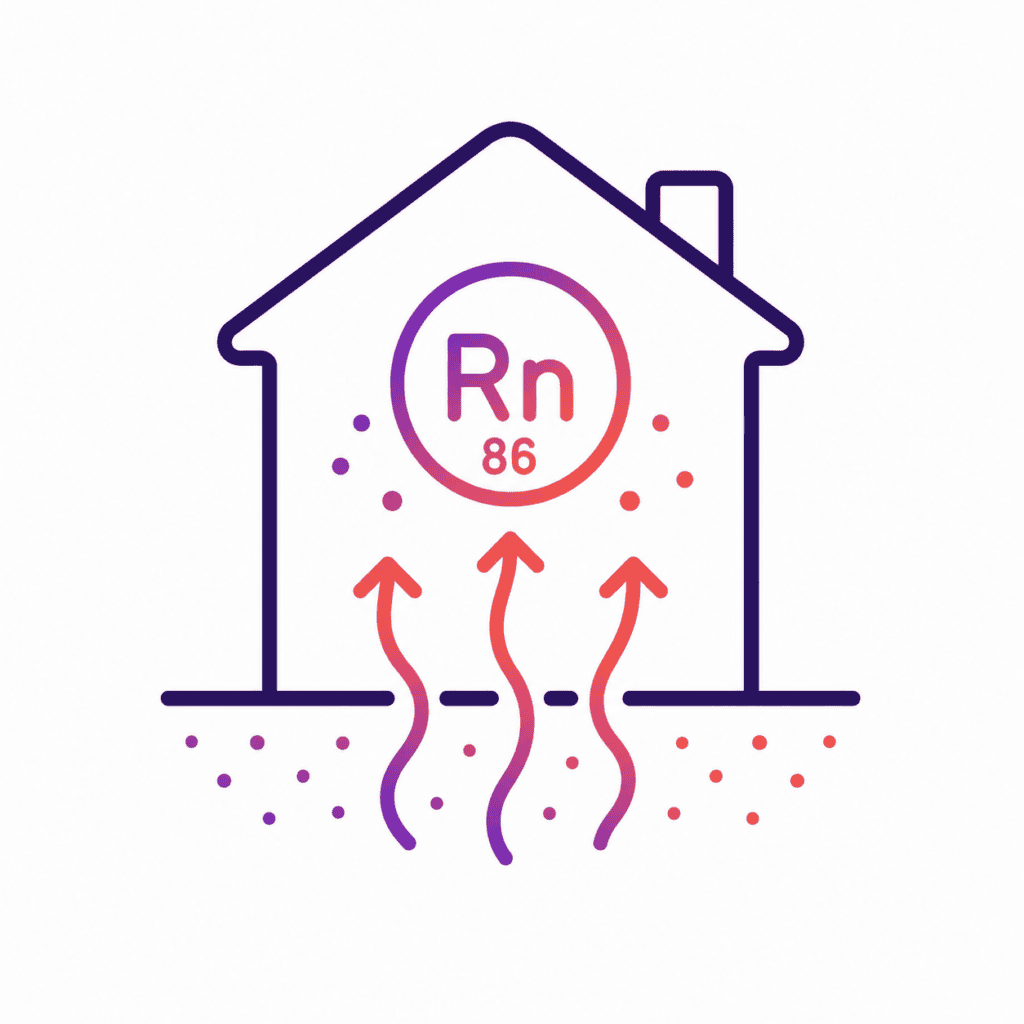
Radon, a naturally occurring radioactive gas produced by the decay of uranium in soil and rock, is the leading cause of lung cancer among non-smokers. Because it is odorless, colorless, and tasteless, it remains the "silent killer" of the domestic sphere. It infiltrates buildings through floor cracks and structural gaps, accumulating in poorly ventilated spaces. Experts stress that because radon decay produces radioactive particles that lodge in the lungs, it is a significant contributor to DNA damage over time. The solution is straightforward but often overlooked: professional home testing and, if necessary, the installation of mitigation systems.
2. The Particulate Matter (PM2.5) Crisis
Air pollution, particularly fine particulate matter (PM2.5), has moved from an urban quality-of-life issue to a primary oncology concern. These particles are small enough to travel deep into the bronchial tree, causing chronic inflammation. Research has linked this persistent inflammation to the emergence of new, cancer-causing genetic mutations in the lung tissue of never-smokers.
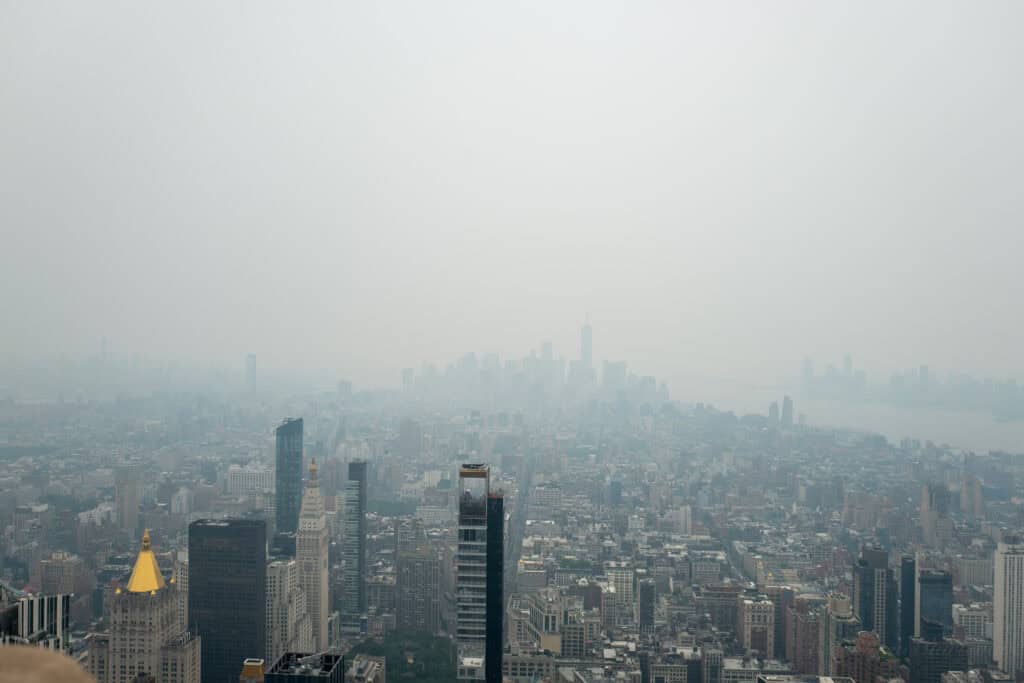
The global disparity in air quality is stark. While the World Health Organization (WHO) advises that PM2.5 concentrations remain below 5 µg/m³, many regions in Asia and the Middle East report levels tenfold higher. The summer of 2026 served as a grim reminder of this vulnerability, as Canadian wildfire smoke blanketed the North American East Coast, driving pollution levels to dangerous, unprecedented peaks.
The Diagnostic Dilemma
One of the most alarming aspects of the rise of LCINS is the delay in diagnosis. Because current screening guidelines in many countries are strictly age-gated and smoking-history-dependent—typically focusing on adults over 50 with a history of heavy tobacco use—many young or healthy-seeming non-smokers fall through the cracks.

Symptoms of lung cancer, such as a persistent cough, chest pain, or shortness of breath, are frequently misdiagnosed as asthma, bronchitis, or allergies. By the time the malignancy is identified, over 70% of cases have progressed to advanced stages, significantly narrowing the window for curative intervention. Advocacy groups are currently lobbying for broader screening criteria that account for environmental risk factors, such as long-term exposure to radon or high-pollution environments, regardless of smoking status.
Personalized Treatment: A New Frontier
The recognition of LCINS as a separate disease has ushered in an era of personalized therapy. Because these cancers are often driven by specific genetic alterations (such as EGFR, ALK, or ROS1 mutations), oncologists can now utilize Targeted Therapy.
These drugs act as "smart bombs," attacking the specific protein that fuels the tumor’s growth while sparing healthy cells. This approach has transformed the prognosis for many patients who previously had few options. However, as noted by leading cancer research institutions, the challenge remains for patients whose tumors do not carry these common, druggable mutations. For them, researchers are investigating combination therapies—pairing immunotherapy with chemotherapy or novel agents to "heat up" the tumor environment and make it susceptible to the patient’s own immune system.
Implications for Public Health
The rise of LCINS is a public health warning that the war on cancer is far from over. It suggests that our environment—the air we breathe and the homes we live in—is becoming a more significant factor in oncological outcomes than previously realized.
For the general public, the implications are three-fold:
- Increased Vigilance: Never-smokers should not ignore persistent respiratory symptoms. If a cough lingers for more than a few weeks, medical consultation is essential.
- Environmental Advocacy: Reducing PM2.5 levels is no longer just a climate goal; it is a cancer prevention strategy. Supporting air quality legislation is an investment in population-level health.
- Support for Research: Funding for LCINS-specific research is critical. Understanding why certain populations (such as women of Asian descent) are more susceptible can provide insights that benefit all cancer patients, regardless of their smoking history.
Conclusion: A Shift in Perspective
As we move further into the decade, the medical community must shed the outdated bias that equates lung cancer solely with smoking. By acknowledging that lung cancer in never-smokers is a distinct, growing, and urgent public health challenge, we can improve early detection, refine personalized treatments, and save lives. The fight against lung cancer is evolving; our response must be equally agile, data-driven, and compassionate. Each new discovery in the genomic landscape of these tumors brings us one step closer to a future where a diagnosis is not a death sentence, but a manageable condition.