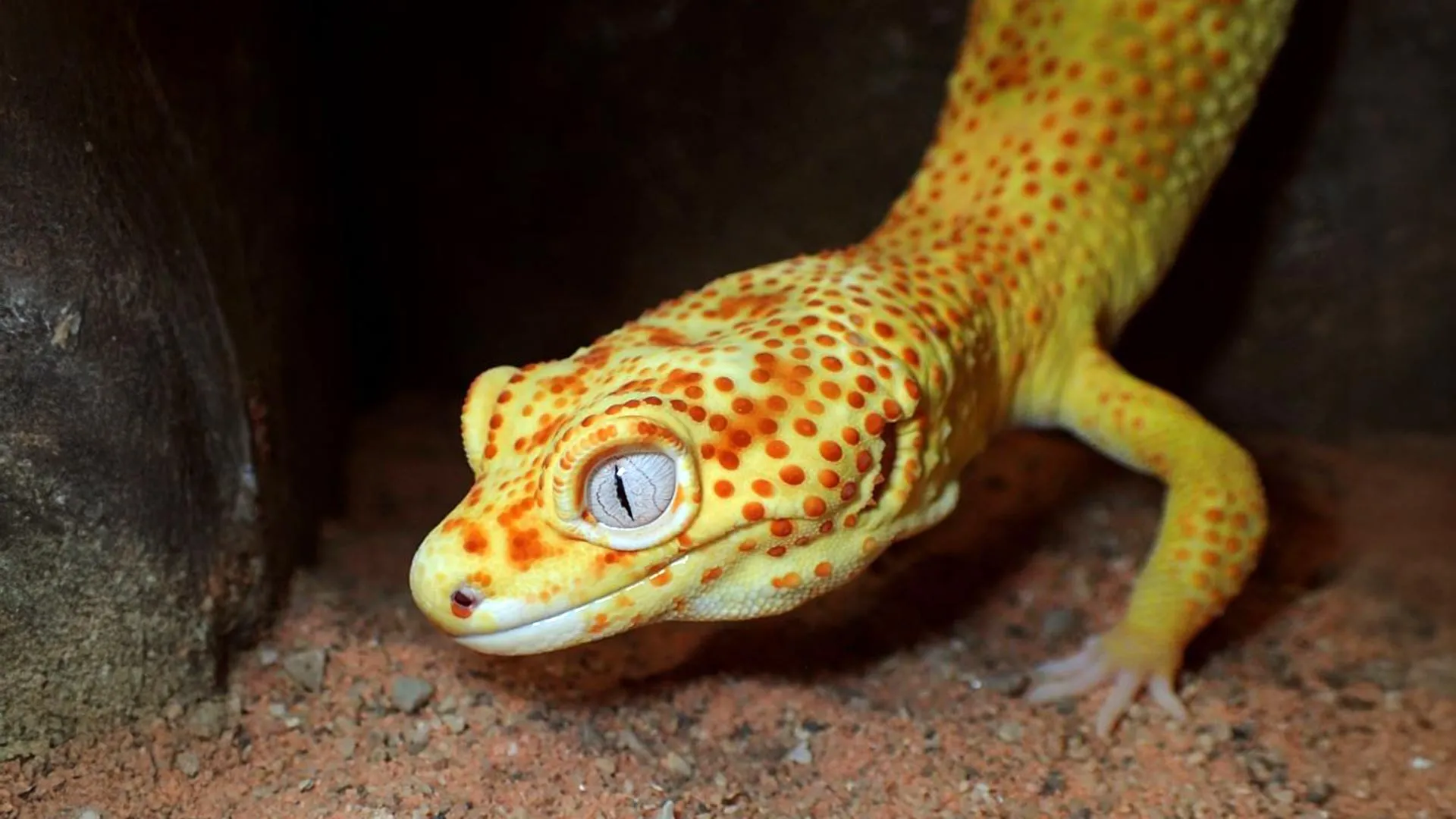
In the vast, intricate tapestry of the natural world, some species exhibit an almost mystical resistance to malignancy, while others fall prey to the disease with devastating frequency. Among the latter, a vibrant, pale-skinned reptile has recently stepped into the scientific spotlight. The "lemon frost" leopard gecko, once a prized novelty in the exotic pet trade, is now being hailed as a groundbreaking biological model that could revolutionize our understanding of how tumors originate, evolve, and metastasize.
A landmark study, led by the University of Nottingham and published in the journal BMC Biology, has identified specific genetic markers in this unique gecko morph that mirror the biological pathways found in human cancers. By shifting the focus from traditional laboratory mice to these naturally afflicted reptiles, scientists believe they have unlocked a new, potent tool in the global fight against one of humanity’s most persistent killers.
The Origins of a Biological Mystery
The story of the lemon frost gecko began not in a sterile laboratory, but within the walls of a commercial breeding facility. The "lemon frost" is a specific phenotypic morph of the common leopard gecko (Eublepharis macularius), characterized by its striking, luminescent white and yellow skin. This aesthetic trait, which quickly became highly sought after by reptile enthusiasts, was the result of a spontaneous genetic mutation that emerged during selective breeding.
However, the beauty of the morph came at a steep biological price. Breeders and veterinarians soon observed an alarming trend: approximately 80% of lemon frost geckos develop aggressive tumors known as iridophoromas. These tumors, which arise from the pigment cells that give the gecko its signature bright coloration, are not merely localized growths; they are highly invasive, frequently spreading—or metastasizing—to other organs throughout the animal’s body.
While cancer is a natural phenomenon across the animal kingdom, the incidence rate in the lemon frost is staggering. When compared to other reptiles—such as turtles and tortoises, which exhibit remarkable longevity and a near-total immunity to many forms of cancer—the leopard gecko represents a unique case study in genetic vulnerability.
A Chronology of Discovery: From Pet Trade to Genomic Lab
The scientific investigation into the lemon frost gecko was an international, multi-disciplinary endeavor that unfolded over several years. The research was spearheaded by Dr. Ylenia Chiari, an expert in evolutionary biology and genomics from the University of Nottingham’s School of Life Sciences.
The project brought together a diverse team of specialists, including PhD researcher Brandon Hastings (University of Nottingham), Dr. Scott Glaberman (University of Birmingham), Dr. Tony Gamble (Marquette University), Dr. Robert Ossiboff (University of Florida), and a computational team consisting of Virginia Gazziero and Dr. Giulio Caravagna from the University of Trieste.
Phase 1: Identifying the Pattern
The initial phase of the study focused on characterizing the tumors. Unlike many laboratory models, where cancer must be artificially induced via chemicals, radiation, or genetic engineering, the lemon frost geckos develop their tumors spontaneously. This provides a "natural history" of the disease that is arguably more representative of real-world cancer development.
Phase 2: Whole Genome Sequencing
The research team employed high-throughput whole genome sequencing (WGS) to compare the DNA of tumor tissues against healthy tissue from the same individuals. By isolating the genetic "noise" and focusing on the mutations specific to the cancerous cells, the team was able to pinpoint recurring genetic changes.
Phase 3: The Cross-Species Mapping
Once the mutations were identified, the team mapped these genes against existing databases of human and animal cancers. The results were striking: the genetic pathways hijacked by the lemon frost’s tumors were the same pathways frequently identified in human oncology. This discovery bridged the gap between reptilian biology and human medicine, proving that the gecko could serve as a legitimate surrogate for understanding tumor evolution.
Genomic Insights: Unlocking the Shared Language of Cancer
The core of the study’s success lies in the realization that cancer speaks a universal biological language. The genetic alterations found in the lemon frost geckos—which involve cell cycle regulation, DNA repair mechanisms, and apoptosis (programmed cell death)—are fundamental to the survival of all complex organisms.
Brandon Hastings, a key author of the study, notes that the methodology itself was a breakthrough. "Overall, our paper demonstrates the importance of looking across the tree of life in search of answers that are needed to better understand diseases that can have a profound impact on human life," Hastings explained.
The researchers utilized sophisticated genomic software—programs originally developed for human cancer analysis—and successfully adapted them to decipher the gecko’s genome. This cross-application of technology underscores a critical point: the "tools of the trade" in cancer research are no longer species-specific. By applying human-centric analytical tools to the leopard gecko, the team was able to observe cancer progression in real-time, watching how cells adapt and evolve to evade the body’s natural defenses.
Why the Lemon Frost Gecko is a Superior Model
Traditional oncology research has relied heavily on the "mouse model." While mice have provided invaluable insights, they are limited by their biology and the artificial nature of the tumors created in a lab setting.
The lemon frost gecko offers several distinct advantages:
- Natural Onset: Because these geckos develop cancer naturally, the tumors reflect a complex interaction between genetics and the environment, rather than an artificially induced trauma.
- Early Development: Tumors appear in these geckos at a relatively early age, allowing researchers to study the entire lifecycle of a tumor, from its first mutation to its terminal stage.
- Metastatic Potential: The fact that these tumors frequently metastasize is of particular interest to researchers. Understanding the mechanisms that allow a tumor to break away from its site of origin and colonize distant organs is the "Holy Grail" of metastasis research.
- Genetic Homology: Because the gecko shares significant genetic pathways with humans, the findings regarding drug targets or biomarkers are far more likely to be translatable to human medical therapies.
Official Responses and the Broader Scientific Perspective
The international team behind this study is optimistic about the implications. Dr. Ylenia Chiari emphasized the importance of evolutionary biology in medical progress. "By studying why some animals are so susceptible to cancer while others are remarkably resistant, we hope to uncover the different ways species have evolved to deal with cancer," she stated. "Together, these natural strategies could inspire new ways of preventing, detecting, and treating cancer in humans."
Dr. Scott Glaberman, contributing from the University of Birmingham, expanded on the philosophical shift required in medical science. "We often look inward to solve human problems, but every species has something to teach us," he remarked. "By studying both animals that are vulnerable to cancer and those that resist it, we have far greater power to understand the disease itself. This is one of the many reasons why protecting biodiversity is so important."
The sentiment shared by the team is clear: medical research is not a human-only endeavor. By viewing the animal kingdom as a vast library of biological experiments, scientists can find answers to questions that have remained stubbornly out of reach in conventional settings.
Implications for Future Medical Breakthroughs
The identification of these cancer-linked genes in the lemon frost gecko serves as a catalyst for future research in several key areas:
Precision Medicine
By identifying the specific mutations driving the aggressive tumors in the geckos, researchers may be able to identify new "druggable" targets for human cancers that share the same genetic profile.
Comparative Oncology
The study promotes the burgeoning field of comparative oncology, which seeks to treat cancer in pets and wildlife while simultaneously gathering data that benefits human patients. This collaborative approach is expected to speed up the development of new therapeutics.
Environmental and Biodiversity Conservation
The research serves as a stark reminder of the link between biodiversity and human health. As Dr. Glaberman noted, every species represents a unique biological strategy. If we lose species to extinction, we are essentially destroying medical textbooks before we have even read the chapters they contain. Protecting diverse ecosystems is not just an environmental imperative; it is a medical one.
Conclusion: A New Horizon
The lemon frost leopard gecko, once known only for its beauty, has been thrust into the center of a scientific revolution. Through the rigorous application of whole genome sequencing and the collaborative effort of an international team of experts, this small reptile has proven that the most profound insights into human disease may be hiding in the most unexpected places.
As researchers continue to decode the genetic secrets of the lemon frost, the gap between reptilian biology and human medicine will continue to shrink. This gecko is no longer just a pet; it is a sentinel, a model, and a key to unlocking the complex, evolving nature of cancer. In the search for a cure, it seems that looking across the tree of life may be the most promising path forward, offering a beacon of hope for patients and researchers alike.