In the complex battlefield of the human body, the war against cancer is often won or lost within the “microenvironment” surrounding a tumor. For decades, oncologists have focused on systemic treatments—drugs coursing through the bloodstream to hunt down malignancy. However, groundbreaking new research from Nagoya University suggests that the key to unlocking the full potential of immunotherapy may not be found in the circulatory system at all, but rather in the local production of an evolutionarily ancient protein known as complement C3.
The study, published in the journal Nature Communications, reveals that when C3 is produced directly within the tumor microenvironment by cancer-associated fibroblasts, it acts as a gatekeeper, preventing the infiltration of immunosuppressive cells that otherwise shield tumors from the immune system. This discovery shifts the paradigm of cancer treatment from systemic intervention to a localized, tissue-specific strategy.
The Evolutionary Origins of an Immune Sentinel
To understand the magnitude of this discovery, one must look back hundreds of millions of years. Complement C3 is not a modern innovation of the mammalian immune system; it is an evolutionarily ancient protein, found in simple organisms such as sponges and jellyfish. For these primitive creatures, C3 served as a primary defense mechanism, a fundamental building block of innate immunity.
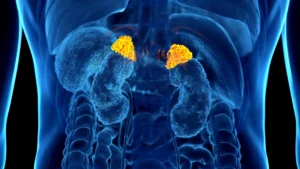
In humans, the vast majority of circulating C3 is synthesized by the liver and released into the bloodstream. Once in circulation, it plays a vital role in flagging pathogens and triggering inflammatory cascades to defend the body against infections. Because of its abundance in the blood, scientists have historically focused on its systemic functions, often overlooking the nuanced, localized roles it may play within specific organs or tissues.
The team at Nagoya University, led by Assistant Professor Yuki Miyai, sought to peel back this layer of biological complexity. "Cancer tumors are surrounded by normal cells called fibroblasts," Miyai explains. "Until now, the role of complement C3 produced by these cancer-associated fibroblasts within tumor tissue was not known." By isolating this local activity from the systemic influence of the liver, the researchers have uncovered a mechanism that could change the future of oncology.
Chronology of the Discovery: From Mice to Clinical Validation
The research journey was a multi-stage process that moved from fundamental laboratory experiments in mouse models to the clinical analysis of human lung cancer samples.
The Experimental Pivot
The research team first needed to determine whether circulating C3 played any significant role in the efficacy of anti-PD-1 immunotherapy—a standard treatment that releases the "brakes" on the immune system, allowing it to recognize and attack cancer.
In a series of controlled experiments, the team utilized mouse models to differentiate between liver-produced C3 and tumor-produced C3. When they reduced systemic, liver-derived C3 by 90%, they observed that the immunotherapy drug remained as effective as it was in mice with normal C3 levels. This was a critical turning point; it effectively ruled out the bloodstream as the primary conduit for the protein’s anti-tumor benefits.
The narrative changed completely when the researchers inhibited the production of C3 by the fibroblasts residing within the tumor tissue. Even when systemic levels remained relatively high, the localized reduction of C3—a mere 9% decrease in total body production—led to a significant decline in the efficacy of the immunotherapy. The conclusion was stark: the efficacy of the treatment was tethered to the "neighborhood" of the tumor, not the "highways" of the blood.
Validating in Human Patients
Following the success of the mouse trials, the researchers turned their attention to human clinical data. They analyzed tissue samples from patients undergoing treatment for lung cancer. The findings were striking: patients with high levels of C3 in the tissue surrounding their tumors demonstrated significantly better treatment outcomes and longer survival rates compared to those with lower levels.
In this clinical cohort, approximately 50% of patients with high local C3 levels responded positively to immunotherapy. Conversely, among patients with low levels of local C3, the response rate was zero. Once again, blood-based levels of C3 showed no correlation with patient survival, reinforcing the researchers’ hypothesis that the local microenvironment is the primary theater of operation for this immune molecule.
The Mechanism: Why Localized C3 Matters
The mechanism by which local C3 assists the immune system is a masterclass in biological precision. According to Miyai, the locally produced C3 undergoes a process of degradation within the tumor microenvironment, breaking down into a specific fragment known as iC3b.
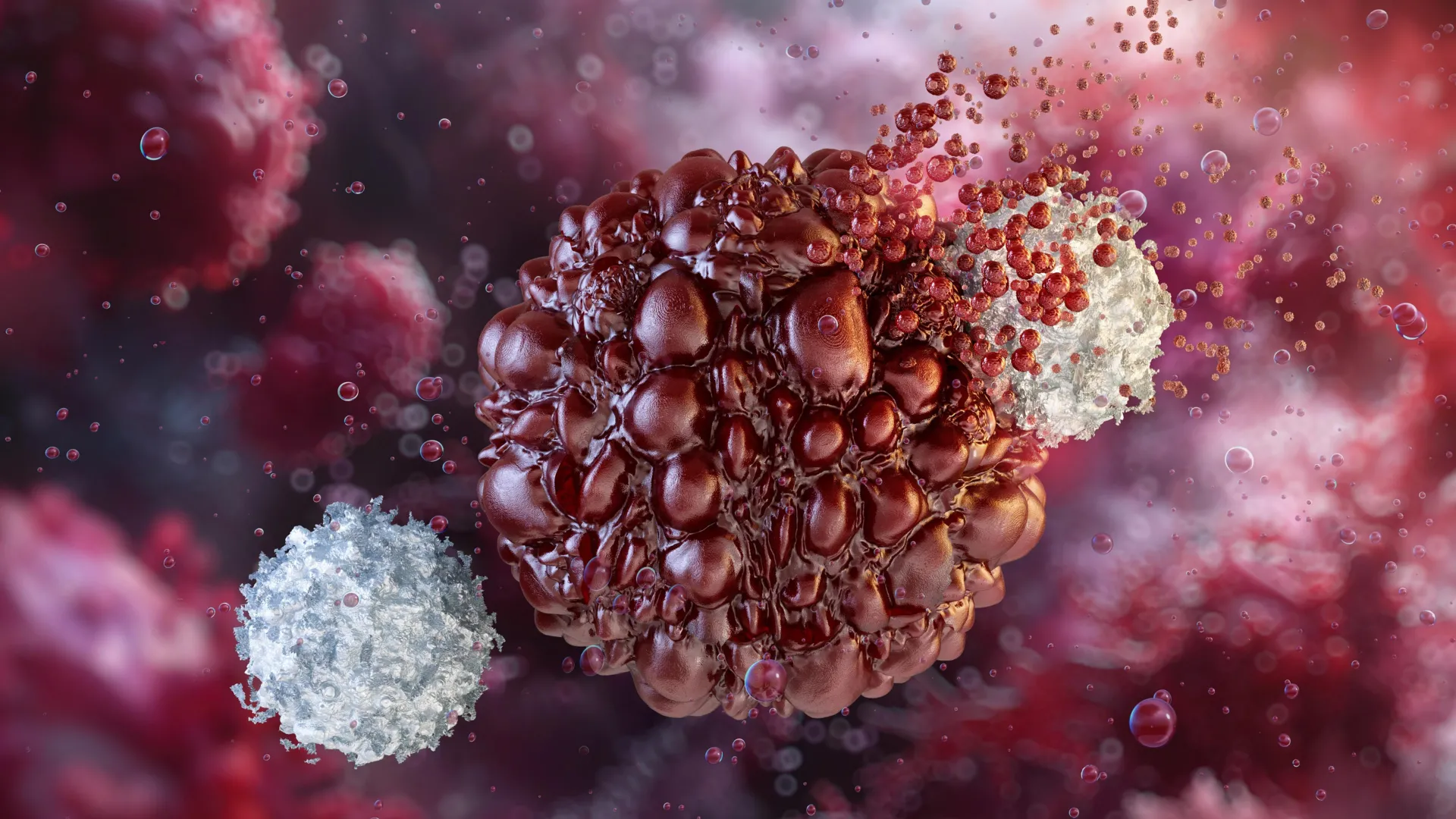
This fragment, iC3b, acts as a tactical barrier. Its primary function is to block the infiltration of immunosuppressive myeloid cells. In many cancers, these myeloid cells act as "saboteurs," creating a suppressive shield that prevents T-cells—the body’s primary anti-cancer soldiers—from entering the tumor. By effectively barring these saboteurs, the local C3 maintains a "cleaner" environment, allowing the immunotherapy to function as intended.
When the researchers tested a drug designed to mimic this specific blocking effect in immunotherapy-resistant tumors, they found that they could successfully "prime" the tumors for attack. The treatment not only enabled the immune system to infiltrate previously impenetrable tumors but also significantly extended the survival duration of the test subjects.
Official Responses and Implications for Oncology
The implications of this study are profound, particularly for the development of personalized medicine. Currently, many cancer patients do not respond to immunotherapy, often because their tumors have developed sophisticated ways to exclude immune cells.
Identifying the Right Candidates
This discovery provides a potential biomarker for clinicians. By assessing the C3 levels in a patient’s biopsy, doctors might be able to predict who is a candidate for standard immunotherapy and who might require additional interventions to boost local C3 production. This could save patients from months of ineffective treatment and the associated side effects of therapies that their bodies are biologically ill-equipped to utilize.
Overcoming Resistance
Perhaps the most exciting implication is the potential for new, combination therapies. If researchers can develop methods to artificially increase C3 levels—or the presence of its derivative, iC3b—within the tumor, they may be able to turn "cold" tumors (those that resist immunotherapy) into "hot" tumors (those that are susceptible).
"We are now planning to test ways of increasing C3 levels inside tumors and to determine the most effective timing for treatment," Miyai stated in his post-publication remarks. Beyond oncology, the team believes that the lessons learned here could have applications in other fields, such as regenerative medicine, where the role of local inflammation and tissue healing is paramount.
Future Directions: Beyond the Tumor
The Nagoya University study serves as a poignant reminder that evolution often hides the keys to our future in the biological archives of our past. By repurposing an ancient immune molecule, scientists are finding ways to navigate the modern, complex challenges of cancer resistance.
However, the road ahead involves significant hurdles. Scientists must now determine the most effective delivery systems for localized C3 stimulation without causing systemic inflammatory issues. They must also define the precise biological window in which such an intervention would be most effective.
As the scientific community digests these findings, the focus is shifting toward the tumor microenvironment as an intricate, self-contained ecosystem. The days of "blanket" systemic therapies may be numbered, replaced by a more surgical approach that seeks to bolster the body’s innate, ancient defenses exactly where they are needed most. For the thousands of patients who currently face the wall of immunotherapy resistance, this research offers a new, promising avenue of hope—a way to turn the tide by harnessing the power of our own cellular architecture.