











For the millions who received mRNA-based COVID-19 vaccines, the global public health consensus remains clear: these medical interventions have been instrumental in preventing severe illness, hospitalization, and death on a massive scale. Yet, in the landscape of medical science, the quest for perfection often involves reconciling life-saving benefits with rare, idiosyncratic risks. Researchers at Stanford Medicine have now provided a significant breakthrough, identifying the specific biological cascade that leads to rare instances of heart inflammation—known as myocarditis—in adolescent and young adult males following mRNA vaccination.
Beyond simply identifying the "why," the research, published in Science Translational Medicine, points toward a potential therapeutic strategy that could mitigate this risk, offering a promising path toward making an already safe technology even safer.
The Biological Catalyst: A Two-Stage Immune Response
The Stanford team, led by senior author Dr. Joseph Wu and postdoctoral scholar Dr. Xu Cao, sought to understand the "perfect storm" of immune activity that occurs in the rare minority of vaccine recipients who develop myocarditis. By synthesizing modern laboratory techniques with clinical data from vaccinated individuals, the researchers uncovered a two-stage immune sequence.
The process begins with the vaccine’s interaction with macrophages, the immune system’s "first responders." When these cells encounter the mRNA vaccine, they are activated and begin secreting a signaling protein called CXCL10. This release serves as a siren for other immune cells, particularly T cells. Once the T cells arrive at the site, they respond by producing high levels of IFN-gamma (interferon-gamma).
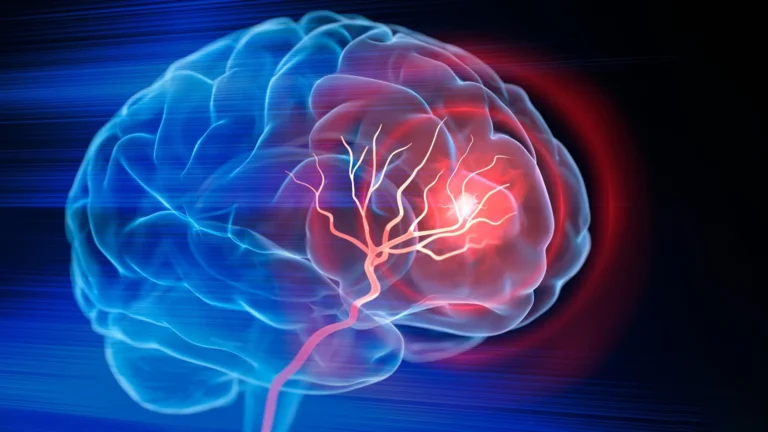
This cross-talk—where macrophages secrete CXCL10 and T cells subsequently produce IFN-gamma—creates a concentrated inflammatory environment. In the rare cases where this response is overactive, the resulting "cytokine storm" can damage cardiac muscle cells, leading to the inflammation clinically identified as myocarditis.
Chronology of the Research and Clinical Context
The Scope of the Problem
Myocarditis, while rare, is a well-documented side effect of mRNA COVID-19 vaccines. Symptoms typically manifest within one to three days post-vaccination and include chest pain, shortness of breath, fever, and heart palpitations. Clinically, the condition is identified through elevated levels of cardiac troponin in the blood—a protein that should be contained within heart muscle cells; its presence in the bloodstream is a definitive marker of myocardial injury.
The statistical reality of the condition is narrow:
- First Dose: Roughly one in 140,000 people.
- Second Dose: Approximately one in 32,000.
- High-Risk Demographic: The incidence is highest among males aged 30 and younger, affecting roughly one in 16,750 recipients.
The Experimental Path
To investigate this, the Stanford team utilized a multi-layered approach:
- Human Cell Analysis: Researchers grew human immune cells in laboratory dishes to observe their reaction to the vaccine, confirming that macrophages produced the CXCL10, which subsequently triggered T cells to release IFN-gamma.
- Animal Models: Young male mice vaccinated with the mRNA formula showed increased troponin levels and cardiac tissue infiltration by immune cells, specifically neutrophils and macrophages.
- Heart-on-a-Chip: Using stem-cell technology, the lab created "cardiac spheroids"—small, beating clusters of heart tissue. When these were exposed to the CXCL10 and IFN-gamma combination, they showed clear signs of stress, impaired contraction strength, and irregular heart rhythms.
Supporting Data: Why the Heart?
A critical question remains: why does this inflammatory response target the heart in these specific individuals? The research suggests that after vaccination, heart blood vessels show an increase in "adhesion molecules." These molecules act like Velcro, allowing immune cells circulating in the blood to "latch on" to the vessel walls and migrate directly into the heart muscle tissue.
When the researchers introduced inhibitors to block the signaling of CXCL10 and IFN-gamma, the result was transformative. The immune cells were significantly less likely to infiltrate the heart tissue, and the damage to the heart muscle cells was substantially curtailed, suggesting that blocking these specific pathways could serve as a future medical strategy for patients at high risk of inflammatory complications.
Official Responses and Public Health Perspective
Dr. Joseph Wu, the Simon H. Stertzer, MD, Professor and director of the Stanford Cardiovascular Institute, is careful to frame these findings within the broader context of vaccine efficacy. "The mRNA vaccines have done a tremendous job mitigating the COVID pandemic," Wu stated. "Without these vaccines, more people would have gotten sick, more people would have had severe effects, and more people would have died."
Clarifying "Heart Attack" vs. Myocarditis
Wu emphasizes that vaccine-associated myocarditis is distinct from a traditional heart attack. "It’s not a heart attack in the traditional sense," he explained. "There’s no blockage of blood vessels. When symptoms are mild and the inflammation hasn’t caused structural damage to the heart, we just observe these patients to make sure they recover."
Most cases resolve quickly with full recovery of heart function. However, he acknowledges that in rare instances, severe inflammation can lead to hospitalization or worse. Nevertheless, he points to a stark comparison: a natural COVID-19 infection is approximately 10 times more likely to cause myocarditis than the vaccine itself, not accounting for the host of other systemic risks associated with the virus.
The "Soybean" Solution: A Potential Preventive Strategy
Perhaps the most intriguing aspect of the study is the identification of genistein, a compound found in soy. Because myocarditis is statistically more prevalent in males and because estrogen is known to possess anti-inflammatory properties, the researchers investigated whether genistein—which shares some structural similarities with estrogen—could dampen the inflammatory cascade.
In their experiments, pre-treating cells and mice with genistein significantly reduced the heart damage caused by the vaccine-induced cytokine spike.
"Genistein is only weakly absorbed when taken orally," Wu noted, adding that while the purified form used in the study is far more concentrated than dietary supplements, the findings open a door to potential future interventions. The research team suggests that this inflammatory mechanism might not be limited to the heart; it could potentially affect the liver, lungs, or kidneys as well, and genistein could prove to be a broad-spectrum anti-inflammatory agent for vaccine-related immune responses.
Implications for Future Vaccine Development
This study represents a significant leap in precision medicine. By identifying the specific cytokines (CXCL10 and IFN-gamma) responsible for the inflammatory response, scientists are now better equipped to:
- Refine Vaccine Design: Future mRNA vaccine platforms could potentially be adjusted to minimize the triggering of these specific pathways.
- Screening and Prophylaxis: Identifying individuals who may be genetically predisposed to an overactive cytokine response could allow for targeted preventive care.
- Broaden Vaccine Safety: The research has implications far beyond COVID-19. Other vaccines, including those for influenza, can cause inflammatory responses, though they are often ignored or misattributed. As Wu notes, "If you get chest pains from a COVID vaccine, you go to the hospital. If you get achy muscles or joints from a flu vaccine, you just blow it off."
By better understanding the underlying biology of vaccine-induced inflammation, medical science can improve public trust and enhance the safety profile of mRNA technology, which remains one of the most promising tools in the modern pharmaceutical arsenal.
Conclusion: A Balanced View
The Stanford study serves as a masterclass in how to address the complexities of modern medicine. By treating the rare adverse effects of vaccines not as a reason to abandon them, but as a biological puzzle to be solved, researchers are ensuring that the next generation of vaccines is even safer, more precise, and better understood. As the world moves forward, the ability to mitigate the "cytokine cost" of immunity will be essential to maintaining public health and preparing for future viral threats.
Study Citation:
Cao, X., Nishiga, M., et al. (2024). "Mechanisms of mRNA vaccine-induced myocarditis and the protective role of genistein." Science Translational Medicine.
Funding provided by the National Institutes of Health (Grants R01 HL113006, R01 HL141371, R01 HL141851, R01 HL163680, R01 HL176822) and the Gootter-Jensen Foundation.