The discourse surrounding food, health, and policy reached a historic inflection point in 2022. As the United States grappled with the lingering effects of the pandemic and persistent systemic health inequalities, the White House convened a landmark Conference on Hunger, Nutrition, and Health. This event, the first of its kind since 1969, served as a rallying cry for policymakers, scientists, and activists to confront a dual crisis: a rise in diet-related chronic diseases and the systemic instability of food security.
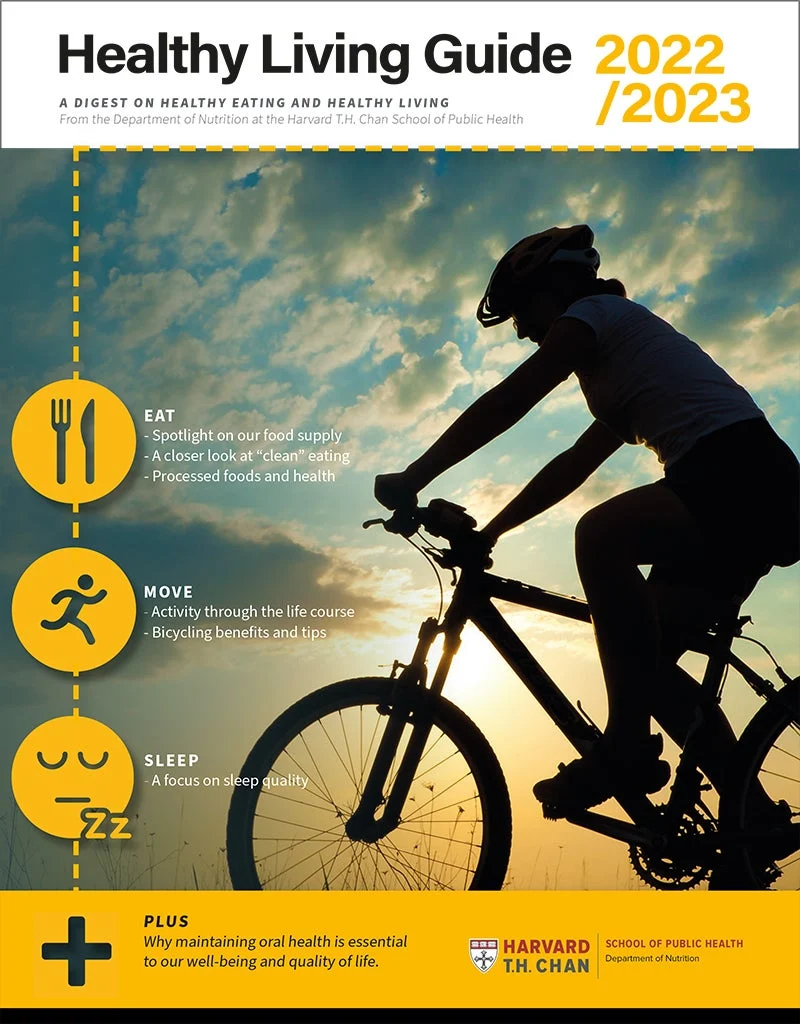
To navigate this complex landscape, experts from the Harvard T.H. Chan School of Public Health have released their latest Healthy Living Guide. This comprehensive resource arrives at a moment when individual agency is being balanced against the urgent need for national, structural reform.
Main Facts: A Blueprint for 2030
The core of the recent national strategy is an ambitious, multi-faceted roadmap aimed at ending hunger and reducing the prevalence of diet-related illnesses by 2030. The strategy is built upon five fundamental pillars:
- Improving food access and affordability to ensure that nutritious options are not a luxury.
- Integrating nutrition and health by treating food as a form of preventative medicine.
- Empowering consumers to make informed, healthy choices through education and transparency.
- Supporting physical activity for all demographics to combat sedentary lifestyles.
- Enhancing nutrition and food security research to drive evidence-based policy.
While these goals are aspirational, the Harvard Department of Nutrition experts—including Drs. Frank Hu, Walter Willett, and Lilian Cheung—emphasize that the efficacy of these pillars depends entirely on the boldness of the implementation phase.
A Chronology of Policy Evolution
To understand the significance of the 2022 Conference, one must look at the timeline of American nutrition policy:
- 1969: The original White House Conference on Food, Nutrition, and Health. This event led to monumental shifts in American public health, including the creation of the Special Supplemental Nutrition Program for Women, Infants, and Children (WIC) and significant improvements in food labeling.
- 1970s–2010s: A period marked by the rise of the processed food industry, the obesity epidemic, and the widening gap between caloric intake and nutritional density.
- September 2022: The Biden-Harris Administration convenes the second White House Conference, reflecting a renewed urgency prompted by the COVID-19 pandemic, which disproportionately affected individuals with pre-existing diet-related conditions.
- Late 2022–Early 2023: The dissemination of the National Strategy report and the subsequent call for private-sector partnership and academic oversight.
Supporting Data: The Reality of Modern Nutrition
The urgency behind the 2030 goals is underscored by stark data. Despite advancements in medical technology, the United States faces record levels of type 2 diabetes, cardiovascular disease, and hypertension. Research consistently shows that the standard American diet—high in ultra-processed foods, refined sugars, and saturated fats—is a primary driver of these outcomes.
Harvard’s Healthy Living Guide synthesizes years of epidemiological research to argue that small, consistent changes in lifestyle can yield massive improvements in population health. However, the data also reveals a "Zip Code Destiny" problem: where a person lives often dictates their proximity to fresh produce versus high-calorie, low-nutrient food environments. The National Strategy attempts to address this, but public health advocates note that without addressing the root causes of economic inequality, "healthy eating" will remain an aspirational goal rather than a practical reality for millions.
Official Responses and Expert Critique
While the White House plan has been lauded for its inclusion of "medically tailored meals"—a model where doctors prescribe healthy food as part of a treatment plan—it has faced significant scrutiny from the academic community.
In an official reflection on the event, Drs. Hu, Willett, and Cheung lauded the focus on Medicare reform but identified glaring omissions in the current policy framework. Chief among these is the lack of strict regulation regarding the marketing of unhealthy foods to children. "To have a significant impact," the authors noted, "the administration must bring together the public and private sectors, along with philanthropists, academia, and individuals to develop truly sustainable food systems that support both public and planetary health."
Furthermore, the experts highlighted the absence of a cohesive strategy linking nutrition policy to climate change. As the global food system is both a contributor to and a victim of climate instability, Harvard’s experts argue that a siloed approach to nutrition is no longer sufficient. True progress requires a "One Health" perspective, where the health of the soil and the sustainability of agricultural practices are inextricably linked to the quality of the food on our plates.
Implications for the Future: Individual and Collective Action
The transition from policy to practice is where the most significant challenges lie. The Healthy Living Guide serves as an essential bridge, providing actionable advice for individuals while acknowledging that systemic change is the ultimate prerequisite for health.
The Role of Sustainable Food Systems
A sustainable food system is one that produces sufficient, nutritious food without depleting the natural resources required by future generations. This implies a shift toward plant-forward diets, reduced food waste, and a supply chain that prioritizes transparency. For the average consumer, this means moving away from the convenience of ultra-processed items and leaning into whole-food nutrition.
Policy Gaps and Advocacy
What is missing from the current national conversation? According to public health analysts, the strategy needs more aggressive "front-of-package" labeling, taxes on sugar-sweetened beverages, and stronger agricultural subsidies that favor fruit and vegetable production over corn and soy for commodity processing.
The Power of Small Changes
While waiting for systemic reform, the Healthy Living Guide emphasizes that the individual is not powerless. The guide encourages:
- Mindful Consumption: Paying attention to food labels and choosing minimally processed options.
- Physical Activity as Lifestyle: Integrating movement into the workday rather than viewing exercise as an isolated, time-intensive task.
- Community Advocacy: Engaging with local school boards and food banks to advocate for higher-quality procurement standards.
Conclusion: A Call to Action for 2023 and Beyond
As we move further into the decade leading up to 2030, the intersection of health, hunger, and policy will remain a critical battleground. The 2022 White House Conference was a necessary start, but as the Harvard experts have noted, it is only a start.
The path forward requires a synthesis of policy, scientific rigor, and public awareness. Whether it is through supporting Medicare-funded nutrition programs or demanding better food environments in schools and workplaces, the effort to "bend the curve" of chronic disease is a collective responsibility.
The Healthy Living Guide is more than just a collection of tips; it is a manifesto for a healthier, more resilient society. By testing our own knowledge, engaging with the resources provided by institutions like Harvard, and demanding more from our policy leaders, we can begin to transform the food system into one that nourishes rather than harms.
For those looking to deepen their understanding of these issues, the full Healthy Living Guide (available via the Harvard T.H. Chan School of Public Health) offers a comprehensive summary of last year’s findings. It encourages readers to not only adopt these habits but to share them, fostering a culture of health that extends from the individual to the household, and ultimately, to the national level.
As the adage goes, "no change is too small." In the face of monumental systemic challenges, our individual decisions—to walk more, to eat better, and to demand better policies—are the building blocks of the health transformation we so urgently need.