While aging is a universal human experience, the accompanying decline in joint health often feels like a betrayal of the body. For millions, the simple act of rising from a chair or taking a morning walk can become a source of discomfort. However, modern medical science suggests that the sedentary lifestyle often adopted to "protect" achy joints may actually be doing more harm than good. By understanding the biomechanics of our joints, we can shift from a mindset of preservation through inactivity to one of longevity through movement.
Main Facts: The Anatomy of Aging Joints
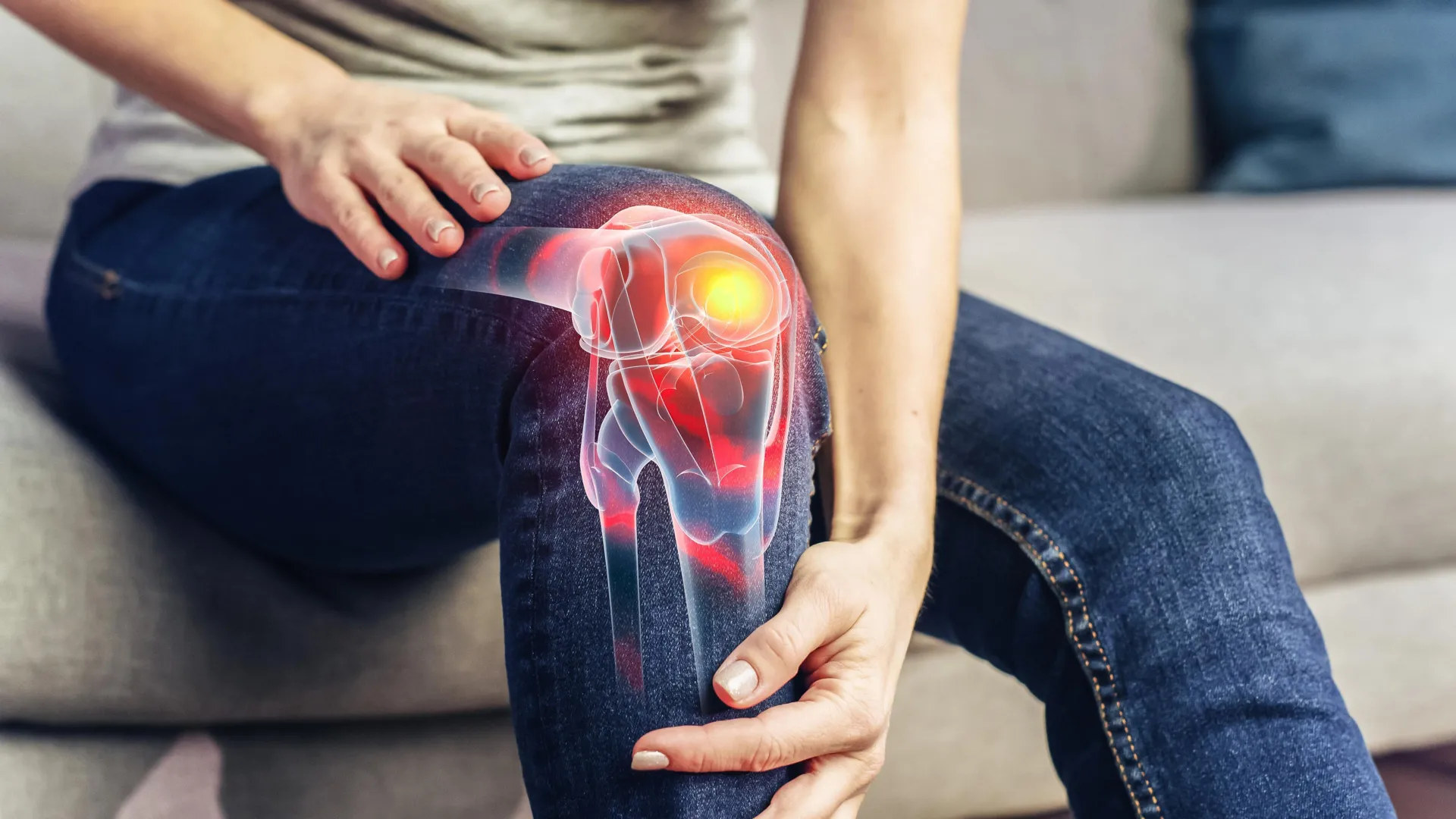
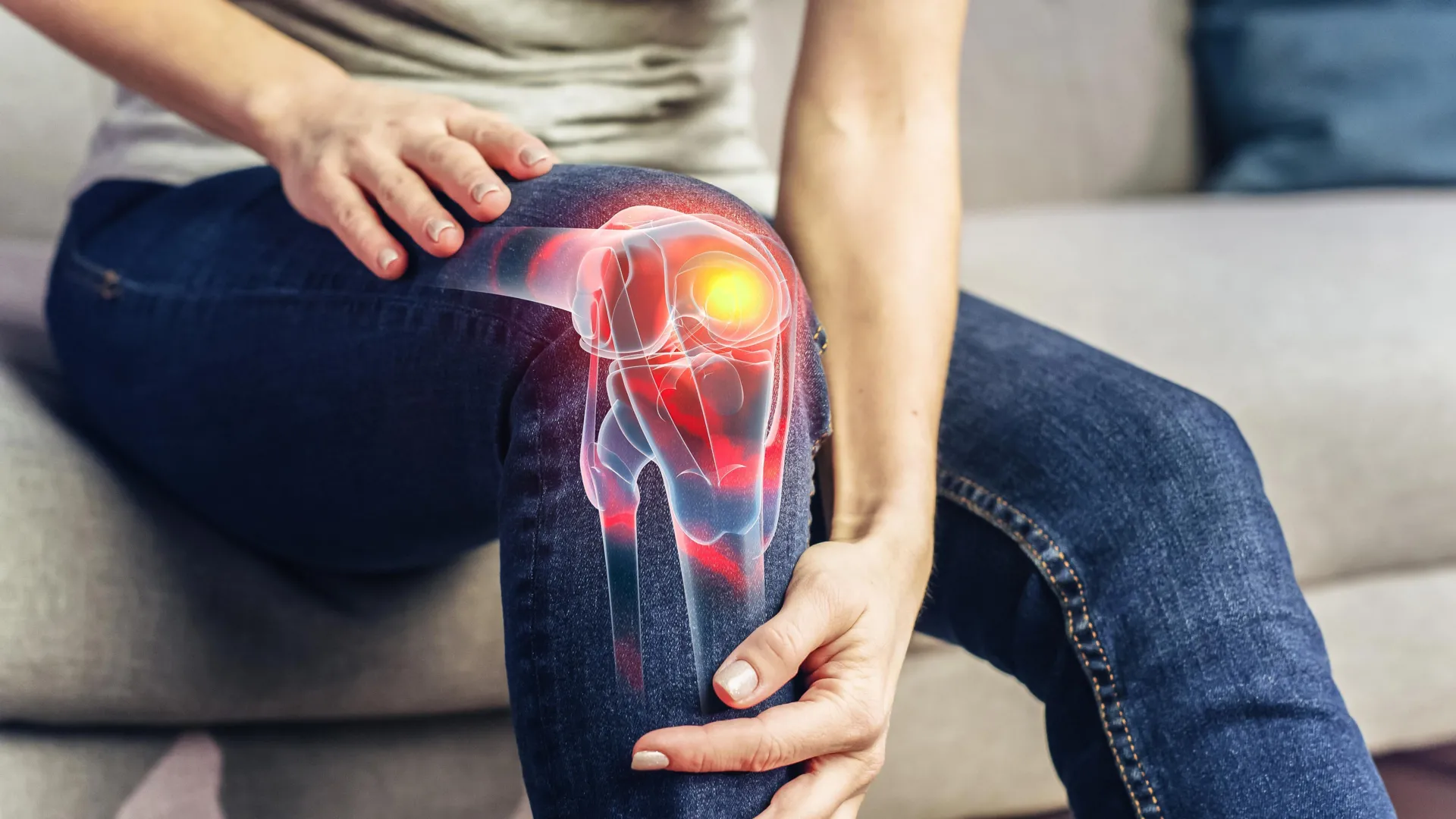
To understand why joints ache, we must first look at their internal ecosystem. A joint is not merely a hinge; it is a complex biological machine comprised of bones, articular cartilage, and synovial fluid.
Articular cartilage is a specialized, tough, yet flexible connective tissue that caps the ends of our bones. Its primary role is to serve as a shock absorber and provide a frictionless surface that allows for smooth, pain-free movement. Surrounding this cartilage is synovial fluid—a viscous, nutrient-rich lubricant that minimizes friction and provides essential nourishment to the cartilage.
The fundamental problem with cartilage is its biological "stubbornness." Unlike muscle or skin, cartilage lacks a direct blood supply. Without a network of capillaries to deliver nutrients and remove metabolic waste, it struggles to repair itself once damaged. As we age, the volume of synovial fluid decreases, and the natural degradation of cartilage outpaces its ability to regenerate. This process is the hallmark of osteoarthritis, a debilitating condition currently affecting over 500 million people globally, particularly in weight-bearing areas like the knees, hips, and spine.
Chronology: The Progressive Decline and the Power of Motion
The deterioration of joint health is rarely an overnight event; it is a cumulative process.
- Early Adulthood: In our twenties and thirties, cartilage is robust, and synovial fluid production is optimal. Proprioception—the body’s innate "internal GPS" that tracks joint position and movement—is sharp, allowing for fluid, unconscious movement.
- Middle Age: As we cross into our forties and fifties, the cellular density of cartilage begins to shift. Proprioceptive signals become less efficient. The brain, receiving slightly delayed or muffled feedback from the joints, begins to miscalculate the force required for movement, leading to uneven loading on the joints.
- The Senior Years: Without intervention, this leads to the "wear-and-tear" cycle of osteoarthritis. However, the chronology is not fixed. Evidence now shows that targeted mechanical stress—exercise—can act as a biological trigger for synovial fluid production, effectively "greasing the gears" and mitigating the aging process.
Supporting Data: The Science of Strength
The correlation between muscle strength and joint longevity is well-documented. Muscles act as the body’s primary shock absorbers. When the quadriceps—the large muscle group at the front of the thigh—are strong, they absorb the kinetic energy that would otherwise be transferred directly into the knee joint.
A landmark Cochrane review serves as the cornerstone for modern exercise-based treatment for osteoarthritis. The findings were conclusive: exercise not only reduces pain but improves functional movement in patients with knee osteoarthritis. Perhaps most striking is the comparison to pharmaceutical interventions; exercise provided symptom relief comparable to traditional anti-inflammatory medications, but without the systemic risks and side effects associated with long-term drug use.
Furthermore, training on unstable surfaces has emerged as a clinical game-changer. By forcing the body to adjust to uneven terrain (like grass or sand), the nervous system is forced to "re-learn" how to stabilize the ankles, knees, and hips. A 2026 study emphasized that this type of neuromuscular training significantly improves postural control in older adults, directly addressing the decline in proprioception that leads to falls—the leading cause of injury-related mortality in those over 65.
Official Perspectives: Recommendations from the Field
The shift in the medical community has moved away from "resting" painful joints toward a philosophy of "controlled loading."
Experts now advocate for low-impact activities that minimize high-velocity impact while maximizing muscle engagement. Water-based activities, such as swimming and water aerobics, are frequently cited as the gold standard. Because water supports up to 90% of body weight, it allows for a full range of motion without the compressive forces that trigger inflammation in damaged cartilage.
For those who prefer land-based movement, Tai Chi has been validated as a powerful therapeutic tool. Clinical research indicates that its slow, rhythmic movements and focus on core stability can be as effective as traditional physical therapy for knee osteoarthritis. Additionally, cycling remains a top recommendation for its ability to promote synovial fluid circulation with minimal impact on the knee joints.
Implications: Building a Sustainable Future
The implications of these findings are profound for the aging population. We are no longer limited to a future of inevitable joint decline. By integrating low-impact, strength-based, and balance-focused exercise, individuals can significantly alter their trajectory.
Implementing a Safe Exercise Strategy
Transitioning to an active lifestyle requires a strategic, tiered approach:
- Start with the Surface: Transitioning from concrete to grass, gravel, or sand provides a natural, low-stakes environment for proprioceptive training. Even ten minutes of walking on a park lawn can stimulate the joint mechanics necessary for better health.
- Prioritize Stability: Exercises such as single-leg balancing (while brushing your teeth, for example) can be done anywhere. Progress from firm ground to a foam pad to challenge the neuromuscular system further.
- Leverage External Support: Use infrastructure. Holding a park bench or a bathroom vanity during exercises ensures safety. Walking poles are highly recommended for outdoor activity, as they redistribute weight and decrease the pressure on the lower limbs.
- Seek Professional Guidance: No exercise is without risk. Deep squats or extreme yoga poses can cause injury if form is poor. Consulting a certified exercise physiologist or a licensed physiotherapist is the most effective way to design a program tailored to your specific joint history and physical capabilities.
The Bottom Line
The narrative surrounding aging and joints is evolving. While the biological reality of cartilage degradation remains, the "inevitable" pain associated with it is increasingly viewed as a modifiable variable. By viewing exercise not as a chore, but as essential "maintenance" for the body’s hardware, we can protect our joints, improve our stability, and maintain our independence well into our later years.
Whether you are in your thirties looking to prevent future injury or in your seventies seeking relief from current discomfort, the message is clear: motion is medicine. The health of your joints tomorrow depends on the movement you choose to engage in today.