







As we traverse the decades, our bodies undergo inevitable physiological transformations. Among the most noticeable—and often the most concerning for those over 60—is the gradual loss of lean muscle mass, clinically known as sarcopenia. While this process is natural, it frequently manifests as sagging glutes and a general decrease in functional mobility. However, the narrative that aging must lead to physical decline is being challenged by a new wave of low-impact, high-efficiency fitness routines.
Surprisingly, the secret to reclaiming your strength doesn’t require a gym full of heavy machinery or the high-impact stress of traditional lunges. Instead, the answer is leaning against a simple vertical surface. By utilizing wall-supported movements, you can effectively target the gluteus maximus, medius, and minimus, providing the stability and aesthetics you desire while minimizing stress on your joints.
The Science of Sarcopenia and Gluteal Health
The gluteal complex is the powerhouse of the human body. Comprised of the gluteus maximus (the largest muscle in the body), the gluteus medius, and the gluteus minimus, these muscles are responsible for far more than the shape of your silhouette. They are the primary engines for walking, climbing stairs, rising from a seated position, and stabilizing the pelvis.
When these muscles atrophy due to aging or sedentary lifestyles—such as prolonged sitting—the result is more than just cosmetic. Weak glutes often lead to compensatory strain in the lower back, hips, and knees. "As we get older, strong glutes become about much more than appearance," explains Ngo Okafor, a renowned celebrity trainer and the founder of Iconoclast Fitness. "They help us walk, climb stairs, stand up from a chair, stabilize the pelvis, and protect the knees and lower back."
Okafor emphasizes that the key to reversing this trend lies in a holistic approach: "I chose these specific wall exercises because, together, they train the glutes from different angles while also strengthening the thighs and hips without the jarring impact of traditional, standing lunges."
Chronology of Muscle Maintenance: Why Now?
The decline of muscle tissue typically begins in our 30s, but it accelerates significantly after age 60. To counteract this, experts suggest a three-pronged approach:
- Consistent Movement: Avoiding long periods of inactivity. Even standing up every 30 minutes can spark metabolic activity.
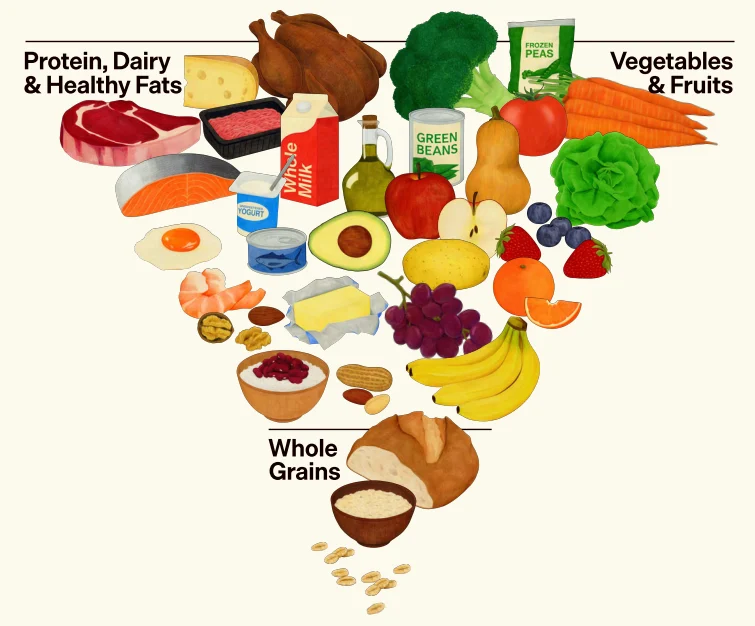
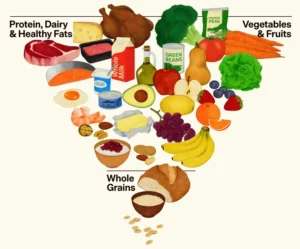
- Nutritional Support: Increasing protein intake is non-negotiable. Muscle repair and hypertrophy require adequate amino acids, which are often lacking in the typical senior diet.
- Targeted Resistance Training: Utilizing gravity and resistance to stimulate muscle fiber growth.
The following four exercises represent a progressive strategy to safely regain strength. By using a wall for support, you remove the balance-related anxiety that often prevents seniors from engaging in effective lower-body training.
The Four Essential Wall Exercises
1. Wall Sits: The Foundation of Endurance
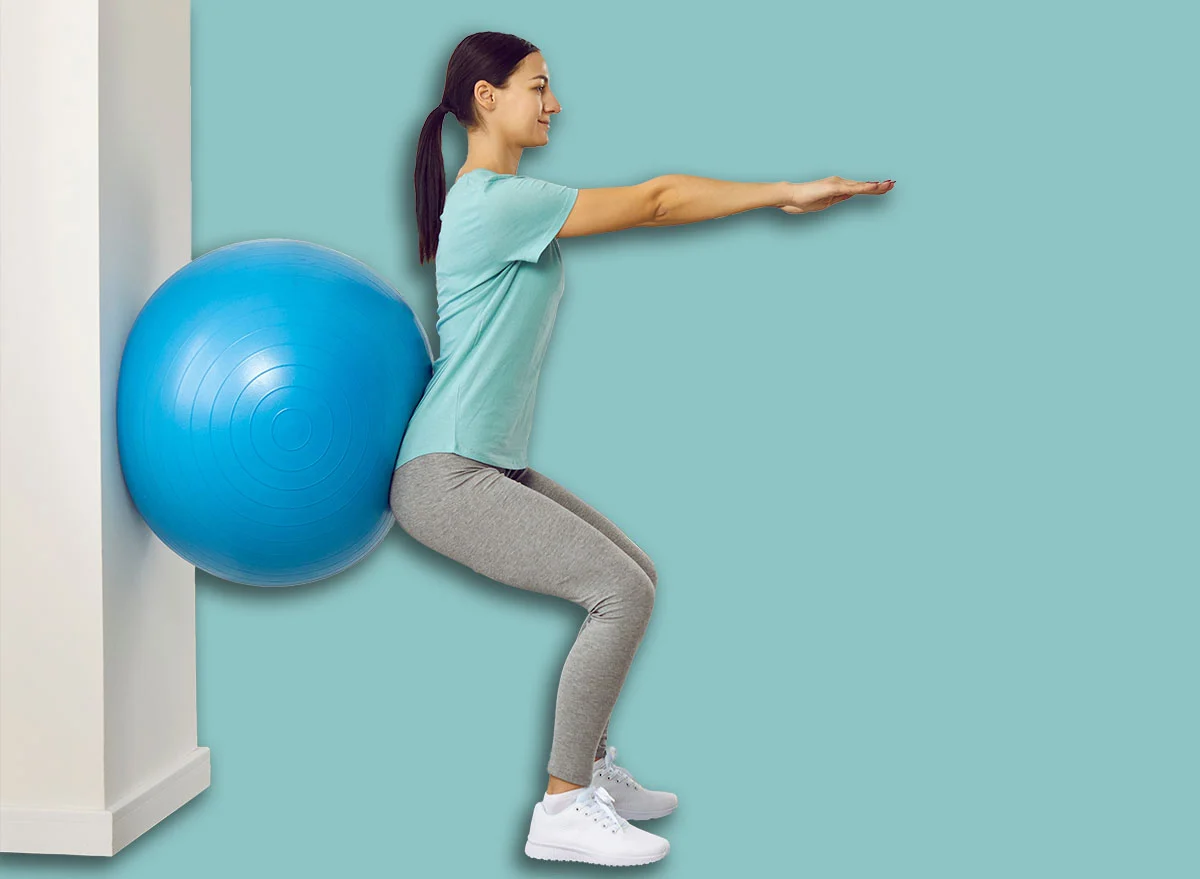
The wall sit is the gold standard for isometric strength. By holding a squat position against a wall, you engage the quadriceps and glutes under sustained tension without the movement-based stress of a standard squat.
- How to execute: Lean your back firmly against a wall. Walk your feet out about two feet in front of you. Slowly slide down until your knees are bent at roughly a 90-degree angle. Keep your back flat against the wall and your core engaged. Hold for 30–45 seconds.
- The Benefit: This builds "time under tension," which is critical for muscle endurance and stabilization, particularly for those recovering from knee or back issues.
2. Wall-Supported Squats: Improving Mechanics
If a free-standing squat feels daunting, the wall-supported variation is your best ally. It provides a tactile guide for your spine and ensures you are sitting back into your heels rather than pushing your knees too far forward.
- How to execute: Stand with your back against the wall, feet shoulder-width apart. As you descend into a squat, let the wall guide your posture. Ensure your weight stays in your heels. Lower yourself as far as is comfortable—ideally until your thighs are parallel to the floor—and return to a standing position.
- The Benefit: This movement corrects form, ensuring that the glutes—not the lower back—are doing the heavy lifting.
3. Wall-Supported Standing Hip Extensions
To specifically target the gluteus maximus, you must incorporate hip extension. This move mimics the motion of climbing stairs or walking uphill, both of which are vital for functional independence in later years.
- How to execute: Stand facing the wall, placing your hands on it for balance. Keep your torso upright and your core tight. Slowly kick one leg backward, squeezing your glute at the peak of the movement. Avoid arching your back; the movement should come entirely from the hip joint.
- The Benefit: This is an isolated glute movement that strengthens the posterior chain without placing load on the spine.
4. Wall-Supported Lateral Leg Raises
The gluteus medius is often neglected, yet it is essential for lateral stability and preventing falls. Lateral raises help sculpt the "side" of the hip, providing a fuller shape and better pelvic support.
- How to execute: Stand sideways to the wall, resting your hand on it for support. Keep your standing leg slightly soft (not locked). Lift your outer leg out to the side, keeping your toes pointed forward. Pause, then lower slowly.
- The Benefit: By strengthening the abductors, you improve your balance and gait, significantly reducing the risk of hip instability.
Supporting Data: Why "Wall" Workouts Work
Recent studies in geriatric physical therapy have highlighted that high-intensity, low-impact training is often more effective for seniors than traditional aerobic exercise alone. According to data from the Journal of Aging and Physical Activity, resistance training even twice a week can lead to a 10-15% increase in lean muscle mass in individuals over 65 within a six-month window.
The "wall" component is not merely a crutch; it is a mechanical advantage. By removing the need for stabilization (which the wall provides), the nervous system is freed up to focus entirely on muscle recruitment. This "mind-muscle connection" allows individuals who may have been sedentary to safely push their muscles to the point of fatigue—the exact stimulus needed to trigger growth.
Official Responses and Clinical Perspectives
Medical professionals are increasingly recommending these modifications for patients. "We often see patients in their 60s and 70s who are terrified of falling," says Dr. Elena Rossi, a physical therapist specializing in senior mobility. "When I introduce wall-supported exercises, the anxiety vanishes. They realize they can work their glutes hard without fearing for their balance. It’s a game-changer for long-term independence."
Furthermore, nutritionists advocate for pairing these exercises with a higher protein threshold. The general recommendation for healthy aging is roughly 1.2 to 1.5 grams of protein per kilogram of body weight. Without this fuel, the muscle-building signal sent by the exercises will lack the raw materials to produce results.
Implications for Longevity
The implications of this training style extend far beyond the aesthetic of "lifting" sagging glutes. A strong posterior chain is the ultimate insurance policy against the hazards of aging.
- Fall Prevention: By strengthening the gluteus medius, you significantly improve your lateral stability.
- Back Health: Strong glutes take the pressure off the lumbar spine. Many cases of chronic back pain are actually symptoms of gluteal amnesia (weak glutes).
- Metabolic Health: Muscle is metabolically active tissue. By increasing your muscle mass, you effectively raise your resting metabolic rate, which helps in weight management—an essential factor in reducing systemic inflammation.
Conclusion: The Path Forward
You do not need a gym membership, expensive equipment, or a grueling regimen to change your body after 60. You simply need a wall, consistency, and a commitment to protein-rich nutrition.
By integrating these four movements into your daily routine—perhaps while your morning coffee brews or while watching the evening news—you are not just working on your glutes. You are investing in your mobility, protecting your spine, and taking a proactive stance against the natural decline that often defines the aging process. Start slow, focus on the squeeze, and remember: it is never too late to rebuild the body you deserve.