











Achieving a toned midsection is a common fitness goal, yet it remains one of the most persistent challenges for individuals at every stage of life. While the "belly pooch" is a frequent concern, it is important to address the reality of body composition: you cannot "spot-reduce" fat from any one specific area. However, you can significantly transform the appearance, function, and strength of your core through strategic, resistance-based movement.
Recent insights from elite fitness professionals suggest that standing, functional exercises may be more effective than traditional floor-based crunches for those looking to build a firmer, more resilient midsection. We sat down with Jacob Siwicki, founder of Siwicki Fitness and a globally recognized expert in functional training, to break down the science of core development and the five specific exercises that can help you reclaim your posture and tighten your physique.
The Science of the Midsection: Why Resistance Matters
For years, the fitness industry leaned heavily into repetitive abdominal crunches and aerobic conditioning. However, modern exercise physiology tells a different story. According to research published in ScienceDaily, healthy men who incorporated just 20 minutes of daily weight training into their routines accumulated significantly less abdominal fat compared to those who focused exclusively on aerobic exercise.
The reason lies in the metabolic demand of muscle engagement. While cardio burns calories in the moment, resistance training builds lean muscle mass, which increases your basal metabolic rate, helping you burn more calories throughout the day.
The Problem with Spot Reduction
"It is a myth that you can pick a specific area of your body and force it to lose fat through exercise alone," explains Jacob Siwicki. "Losing fat remains a systemic process—it comes down to a combination of nutrition, total daily activity, quality sleep, and consistency. You cannot out-train a poor diet."
Siwicki emphasizes that while these exercises will not "burn off" the fat, they do something arguably more important: they strengthen the musculature underneath the fat, improve posture, and create a "corset" effect. By training your core in a standing position, you are forced to manage gravity, balance, and coordination simultaneously, which translates directly to the movements you perform in daily life.
Standing vs. Traditional Training: The Functional Advantage
Why move away from the floor? When you perform core exercises on the ground, your spine is supported by the floor, which removes the need for your body to stabilize itself.
"Real life happens on your feet," Siwicki notes. "We reach, we carry groceries, we bend down to pick up children, and we change directions while walking. Standing exercises engage the transverse abdominis—the deep, corset-like muscle that holds your internal organs in place—in a way that floor exercises often fail to do. When you add resistance, you turn these movements into a full-body challenge that improves your posture and makes your midsection look and feel more supported."
The Core Transformation Protocol: Five Expert-Recommended Moves
Siwicki has curated a list of five standing exercises designed to challenge your stability and fire up your core without the need for complex gym equipment.
1. Dumbbell Halos
The "Halo" is a dynamic movement that requires immense core stability to prevent the torso from swaying.
- The Benefit: It targets the obliques and the deep stabilizers of the spine.
- The Execution: Hold a single dumbbell vertically against your chest. Keeping your core braced, circle the weight around your head in a controlled, fluid motion. Maintain a tall, neutral spine throughout, ensuring your torso does not lean back as the weight passes behind your neck.
2. Front Rack Marches
This is an advanced variation of a standard march, designed to challenge your balance and midline stability.
- The Benefit: By holding the weight in the "front rack" position (at shoulder height), you force your core to fight against the tendency to lean forward or sideways.
- The Execution: Hold a pair of dumbbells at your shoulders. As you march in place, lifting your knees to hip height, focus on keeping your ribcage locked down and your spine completely vertical.
3. Cross-Body Deadlifts
Traditional deadlifts are a staple, but the cross-body variation adds a rotational component that is vital for core health.
- The Benefit: It forces the core to resist rotation, which is one of the primary functions of the abdominal wall.
- The Execution: Start with a weight in one hand. Hinge at your hips, reaching the weight toward the opposite foot. Keep your back flat and your core tight as you return to a standing position. This diagonal movement pattern is highly effective for strengthening the obliques.
4. Lateral Lunges with Reach
Lateral movement is often neglected in standard workout routines, yet it is essential for hip mobility and core strength.
- The Benefit: This move challenges the core to stabilize the torso while the lower body moves through a lateral plane.
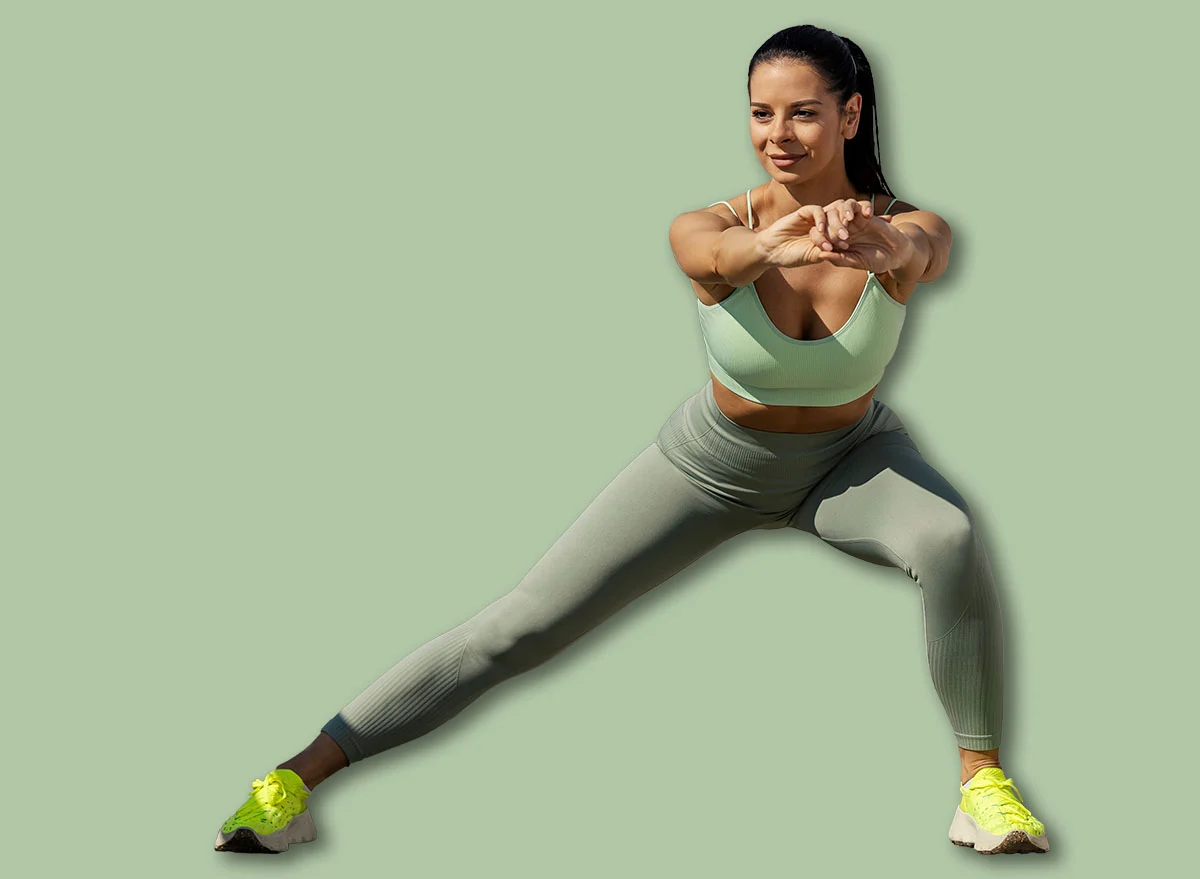
- The Execution: Step out to the side into a deep lunge, keeping one leg straight and the other bent. As you lunge, reach your hands forward, extending through the lats and the core. Return to the center with power, using your abdominal muscles to control the movement.
5. Standing Wall Bird-Dog
Most people associate the bird-dog with being on all fours, but the standing version is a game-changer for balance.
- The Benefit: It improves neuromuscular coordination and strengthens the stabilizers of the lumbar spine.
- The Execution: Stand facing a wall. Simultaneously lift one arm and the opposite leg, extending them toward the wall. Maintain a steady, braced core, ensuring your pelvis does not tilt. This move is excellent for correcting postural imbalances.
Implications for Long-Term Health
The decision to focus on functional, standing core work is not merely an aesthetic choice; it is a strategy for long-term physical autonomy. As we age, the integrity of our core muscles directly dictates our balance and risk of injury.
"When you train the core in a standing position, you aren’t just working toward a flatter stomach—you are building a body that is more resistant to back pain, more capable of handling physical stress, and more efficient in its movement patterns," says Siwicki.
A Note on Consistency
The transition from a "pooch" to a firmer midsection is a marathon, not a sprint. The exercises provided by Siwicki are most effective when integrated into a broader lifestyle strategy:
- Prioritize Protein: Protein intake is crucial for muscle preservation and satiety, both of which support a lean physique.
- Monitor Sleep: Lack of sleep increases cortisol, which is notoriously linked to the accumulation of visceral abdominal fat.
- Stay Active: Outside of your 20-minute resistance sessions, aim for consistent low-intensity movement, such as walking, to maintain metabolic health.
Conclusion
The path to a stronger, more defined midsection is rooted in the marriage of resistance training and functional movement. By shifting your focus from the floor to standing, multi-planar exercises, you can develop a core that is not only aesthetically pleasing but functionally robust. As Jacob Siwicki reminds us, "Resistance bands and machines are just tools. Your body is the machine. Learn to manage it, challenge it, and move it with purpose."
By incorporating these five movements into your weekly routine, you move beyond the outdated goal of "spot reduction" and into a holistic approach that builds the strength, posture, and confidence necessary for a healthier, more capable life.