The global reliance on low-calorie and artificial sweeteners has been predicated on a simple, comforting narrative: they provide the sweetness we crave without the metabolic baggage of sugar. Marketed as biologically inert, these compounds are ubiquitous in our modern diet, found in everything from diet sodas and protein bars to medications designed to mask bitterness. However, a groundbreaking study from the University of Cambridge’s Medical Research Council (MRC) Toxicology Unit has shattered the assumption that these additives pass through the human body without leaving a mark.
According to research published in the journal Molecular Systems Biology, many common sweeteners do not just interact with our taste buds—they directly influence the composition and health of the gut microbiome. More significantly, the study reveals that these effects are not static; they are highly dynamic, changing dramatically when sweeteners are consumed alongside other substances, such as common medications or food additives.
The Hidden Complexity of the Gut Ecosystem
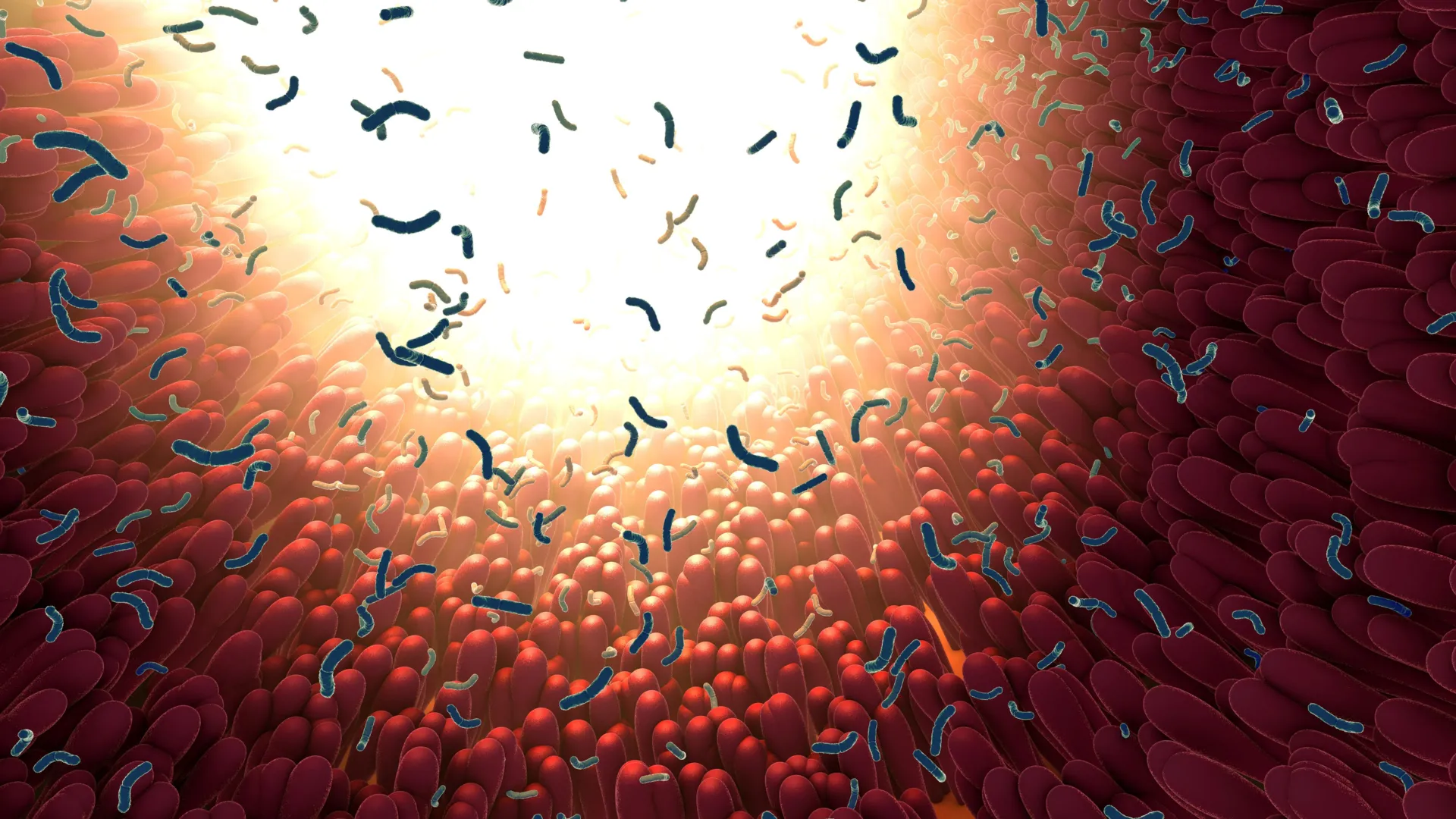
The human gut is home to a vast, intricate ecosystem known as the microbiome. This community of trillions of bacteria, fungi, and viruses acts as a "second brain," playing a vital role in breaking down food, synthesizing essential vitamins, training the immune system, and regulating metabolism. For years, scientists have suspected that the rising rates of metabolic disorders, such as type 2 diabetes and obesity, might be linked to shifts in this delicate microbial balance.
While population studies have long hinted at an association between heavy sweetener consumption and poor health outcomes, proving causation has remained elusive. Professor Kiran Patil, the study’s senior author, notes the difficulty of the research landscape: "Most of what we know about the potential impact of sweeteners on our health comes from animal research or population studies. While these studies have indicated involvement of the microbiome, it’s difficult to know how sweeteners act in the body—is it through direct interactions with our gut bacteria?"
The Cambridge team’s research attempts to bridge this gap by moving away from observational population data and toward a controlled, mechanistic investigation of how these substances behave at the microbial level.
Chronology: From Isolated Bacteria to Synthetic Communities
The study, led by Dr. Sonja Blasche and her colleagues, was executed in a multi-stage process designed to isolate the effects of sweeteners while accounting for the realities of modern dietary habits.
Phase 1: Screening 39 Sweeteners
The researchers began by cultivating 25 distinct species of gut bacteria in a laboratory setting. This collection included beneficial species, neutral organisms, and those with the potential to be harmful. Each of these 25 species was exposed to 39 different sweeteners, covering a broad spectrum of both natural and artificial varieties. The primary metric was the rate of bacterial growth; the researchers monitored each culture to see if the sweeteners hindered or accelerated their multiplication.
The results were immediate and startling: approximately three-quarters of the sweeteners tested had a measurable effect on at least one bacterial species. Several sweeteners were found to completely inhibit the growth of bacteria known to be essential for a healthy digestive system.
Phase 2: The "Cocktail" Effect
Recognizing that humans rarely consume sweeteners in isolation, the researchers introduced complexity. They paired the 39 sweeteners with substances commonly found in the modern diet, including caffeine, vanillin (a common flavoring), advantame (an artificial sweetener), and eight widely prescribed medications.
This phase of the study uncovered more than 100 instances where the presence of a second compound fundamentally altered the effect of the sweetener on the bacteria. In 34 cases, the combination amplified the suppression of bacterial growth, while in 68 cases, the interaction weakened the effect.
Phase 3: Synthetic Community Modeling
To simulate the "crowded" nature of the human gut, the researchers created a synthetic community containing all 25 bacterial species. By monitoring how this community responded to various combinations of sweeteners and drugs, the team observed shifts in microbial diversity—a hallmark of gut health. The combinations often led to a decline in diversity, allowing some species to dominate while forcing others into decline, potentially destabilizing the entire microbial ecosystem.
The Duloxetine-Isosteviol Connection
Perhaps the most alarming discovery involved the combination of isosteviol—a common sweetener—and duloxetine, an antidepressant frequently prescribed for anxiety, depression, and chronic pain. In 2023 alone, over 4.2 million patients in the United States were prescribed this medication.
When these two compounds were introduced to the synthetic microbial community, they exhibited a synergistic, suppressive effect on two critical bacterial species: Roseburia intestinalis and Parabacteroides merdae. These species are widely considered beneficial, playing key roles in metabolic regulation and digestive health.
The suppression of these bacteria by the drug-sweetener combination was not merely an isolated observation. Subsequent experiments revealed that the depletion of these specific microbes increased toxicity toward host cells and disrupted the signaling pathways involved in immune responses and inflammation. This suggests that the impact of a daily medication, when combined with a "sugar-free" beverage or snack, could be far more profound than the sum of its parts.
Official Responses and Scientific Perspective
The research team has been careful to frame these findings as a "proof of concept" rather than an immediate health alarm for the general public. Dr. Sonja Blasche emphasizes the importance of context: "Sweeteners are often marketed as metabolically neutral, but our study challenges this idea. We found that they can directly affect gut bacteria, particularly when mixed with other compounds. These common combinations could have unintended effects on our gut microbiome."
Professor Patil adds that the findings are a roadmap for future investigation. "Our study suggests that artificial sweeteners don’t just pass through the body passively," he states. "They can interact with gut microbes, and these effects can be amplified or altered by other substances. These findings can help guide new studies towards understanding how sweeteners might influence health in unexpected ways."
The scientific community has received the study as a significant step forward in personalized medicine and nutritional toxicology. By demonstrating that the microbiome is sensitive to the "cocktails" of modern life, the researchers have opened a new door for studying drug-diet interactions that were previously overlooked.
Implications: A Call for Caution and Further Study
The implications of the Cambridge study are vast. If common sweeteners can indeed alter the gut microbiome in the presence of everyday medications, current food safety and pharmaceutical testing protocols may be insufficient.
1. Reassessing "Metabolically Neutral" Labels
For decades, sweeteners have been cleared for consumption based on their lack of acute toxicity. This study suggests that "chronic, low-level disruption" of the microbiome is an entirely different metric that has not been adequately addressed in regulatory frameworks.
2. The Need for Human Clinical Trials
As the researchers admit, the laboratory environment is a simplification. The human gut is a dynamic, fluid environment where absorption, dilution, and chemical modification occur before any substance reaches the colon. Future studies must determine whether these interactions occur at the concentrations found in the human digestive tract after typical consumption.
3. Personalized Nutrition and Medicine
The study highlights that individuals with different baseline gut microbiomes may react differently to the same sweeteners or medication combinations. This underscores the potential for a "personalized" approach to both diet and pharmacology, where clinicians might consider a patient’s dietary habits when prescribing medications like duloxetine.
4. Public Health Policy
While more research is needed, the findings provide a compelling argument for further oversight regarding the use of sweeteners in processed foods. If these additives can indeed disrupt the microbial communities that protect us from metabolic and immune-related diseases, the long-term cost to public health could be significant.
Conclusion
The University of Cambridge research serves as a stark reminder that our digestive systems are not simple, static containers. They are thriving, sensitive ecosystems that respond to every input we provide. The "sugar-free" movement has been a cornerstone of modern dietary advice, yet we are only just beginning to understand the biological trade-offs involved.
As we move forward, the intersection of food science, pharmacology, and microbiology will be critical in determining whether our quest for sweetness is coming at an unintended cost. Until further human-based studies confirm these findings, the scientific community suggests a measured approach: awareness of what we consume and an understanding that the substances in our diet and medicine chest do not act in isolation. The hidden chemistry of the gut is vast, and we are only just beginning to map its depths.