For over 6,000 years, tuberculosis (TB) has remained a relentless shadow over human history. Despite the advent of antibiotics, it remains the world’s deadliest infectious pathogen, claiming more than a million lives annually. Now, a team of researchers at Johns Hopkins Medicine and the Johns Hopkins Bloomberg School of Public Health has introduced a pioneering therapeutic DNA vaccine that could fundamentally shift how we manage this ancient scourge. By targeting the "persisters"—the stubborn bacteria that survive standard treatment and trigger relapse—this intranasal vaccine represents a significant leap forward in the fight against TB.
The Persistent Threat: Why Traditional Antibiotics Fall Short
Tuberculosis is not a simple enemy. According to the World Health Organization (WHO), roughly two billion people—one-quarter of the global population—harbor latent TB infections. While many remain asymptomatic, these individuals act as a reservoir for future outbreaks. In 2024 alone, over 10 million people developed active TB, and 1.2 million succumbed to the disease.
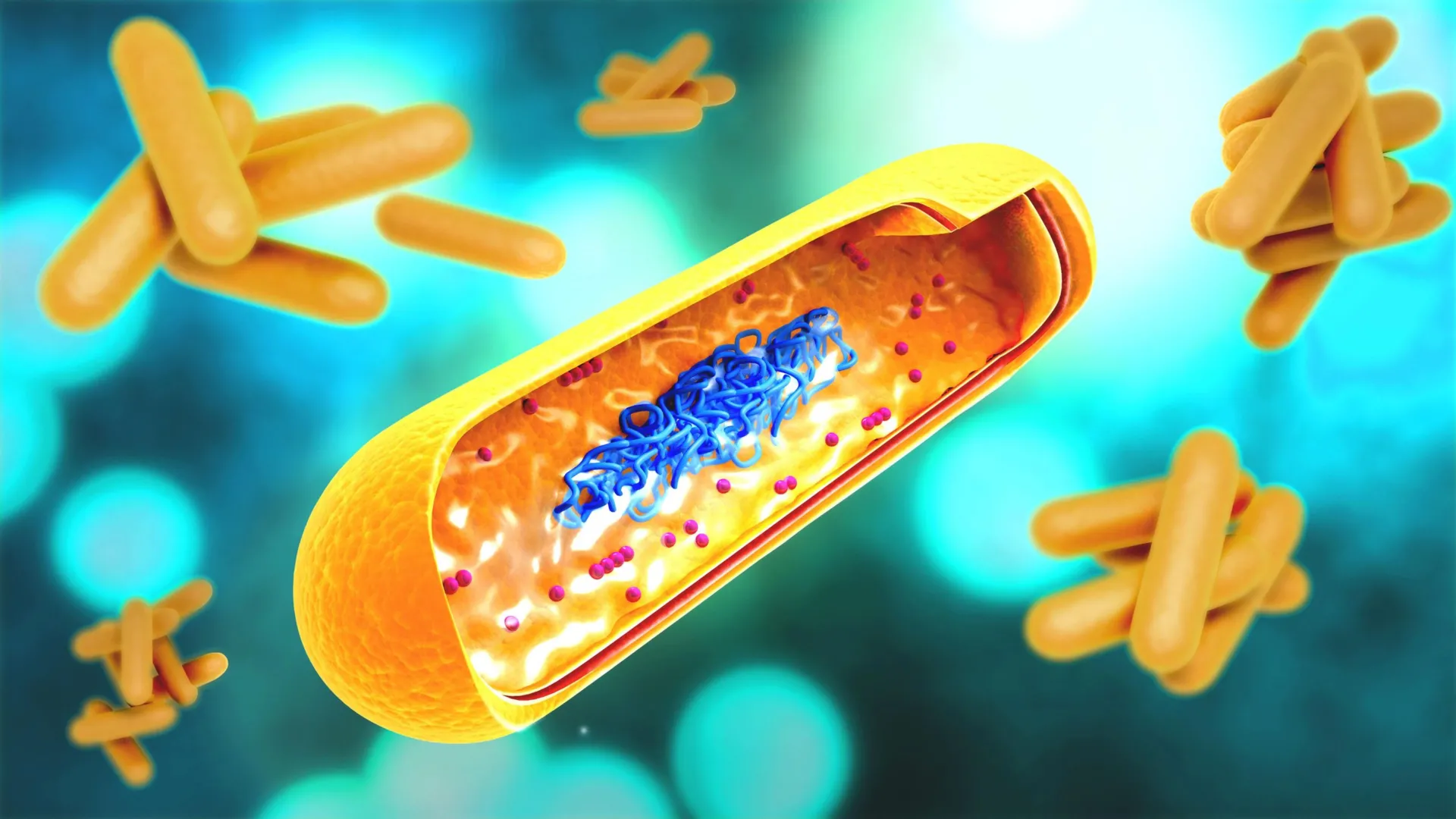
The current standard of care relies heavily on long-term antibiotic regimens. However, these treatments are notoriously difficult to complete. The complexity of multidrug therapies, coupled with the rising global prevalence of drug-resistant strains, has created a public health crisis. Furthermore, even in patients who appear to respond well to treatment, a sub-population of TB bacteria known as "persisters" often remains dormant in the body. These bacteria survive the hostile, nutrient-poor environment created by antibiotics, only to re-emerge later, causing the disease to relapse.
For decades, the global medical community has recognized that antibiotics alone may not be enough to eradicate the disease. The WHO has issued repeated calls for therapeutic vaccines—immunotherapies that, when combined with standard drug treatments, could shorten treatment durations, prevent relapse, and improve survival rates in even the most difficult-to-treat cases.
The Science of the Breakthrough: A Targeted Intranasal Approach
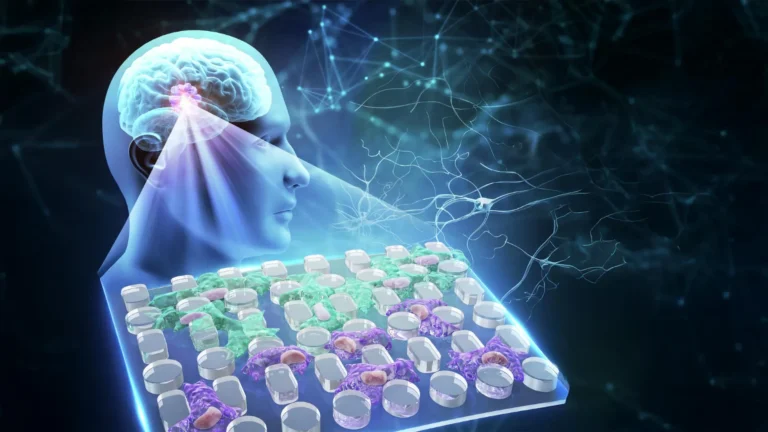
The newly developed vaccine, detailed in the Journal of Clinical Investigation, employs a sophisticated, dual-gene delivery system administered directly through the nose. This delivery method is strategic: by targeting the respiratory mucosa, the vaccine focuses the immune system’s attention precisely where TB infections first take hold.
How the Vaccine Works
The vaccine is composed of two specific genes: relMtb and Mip3α. According to Dr. Styliani Karanika, the study’s lead author and an assistant professor of medicine at the Johns Hopkins University School of Medicine, the mechanism is twofold:
- Neutralizing the "Persister" Mechanism: TB bacteria utilize a gene called relMtb to produce a protein that allows them to enter a drug-tolerant state, shielding them from the effects of antibiotics and environmental stress. By incorporating this gene into the vaccine, researchers essentially "flag" these defensive proteins for the immune system.
- Activating the Immune Response: The Mip3α gene acts as a biological beacon. It produces a signal that actively recruits immature dendritic cells to the site of infection. These dendritic cells are the "scouts" of the immune system; they capture the bacterial proteins and "present" them to T cells. Once primed, these T cells coordinate a targeted, aggressive attack on the TB bacteria.
By fusing these two genes, the vaccine not only identifies the hidden bacteria but also ensures that the body’s most potent immune defenders are present in the lungs to eliminate them.
A Chronology of Research and Development
The journey to this discovery has been marked by rigorous multi-stage testing, moving from foundational mouse models to more complex primate studies.
- Early Preclinical Efficacy: In initial mouse experiments, the vaccine demonstrated immediate promise. When administered in conjunction with first-line TB medications, the vaccine accelerated the clearance of the bacteria, significantly reduced lung inflammation, and—crucially—prevented the relapse of the disease once the antibiotic regimen concluded.
- Enhancing Potent Drug Regimens: The research team also tested the vaccine’s synergy with modern, heavy-hitting drug combinations like bedaquiline, pretomanid, and linezolid. The results suggested that the vaccine acts as a force multiplier, allowing these potent drugs to work more effectively, even against drug-resistant strains.
- Translational Success in Primates: Following the success in mice, the team evaluated the vaccine in rhesus macaques. This was a critical step, as the primate immune system shares significant similarities with the human immune system. The intranasal delivery successfully generated measurable, TB-specific immune responses in both the bloodstream and the airways.
- Durability and Future Outlook: Perhaps most encouragingly, the immune responses in the primates were found to be durable, lasting at least six months. While the primate study focused on immune activation rather than direct challenge with TB infection, it serves as an essential "translational bridge" toward future human clinical trials.
Implications for Global Health Policy
The potential implications of this vaccine are profound, particularly for health systems in high-burden, low-resource settings.
Shortening Treatment Regimens
One of the greatest barriers to TB control is "treatment fatigue." Current regimens can last for months, leading to high rates of non-compliance. If a therapeutic vaccine can shorten these regimens while simultaneously preventing relapse, it would transform TB treatment from a long, arduous ordeal into a more manageable medical protocol.
Practicality and Sustainability
DNA vaccines possess inherent advantages in manufacturing and distribution. They are generally more stable than other vaccine platforms and can be produced with higher efficiency. If these benefits hold true as the vaccine moves toward human trials, it could become a viable, scalable tool for public health programs globally.
Addressing Drug Resistance
With the rise of multidrug-resistant tuberculosis (MDR-TB), the medical community has been in a race to find therapies that do not rely solely on traditional antibiotics. The Johns Hopkins team’s approach suggests that by focusing on immunotherapy—training the body to fight the bacteria from within—we can overcome the "evolutionary" hurdles that bacteria use to resist drugs.
The Road Ahead: Expert Perspectives
The research team, which includes a broad coalition of experts from the Johns Hopkins Center for Tuberculosis Research, emphasizes that while the preclinical data is "encouraging," the work is far from finished.
"These nonhuman primate data give us an important translational bridge between the mouse efficacy studies and the additional preclinical work needed before human trials," Dr. Karanika notes. The researchers are now focusing on defining the optimal dosage and delivery schedules for human application.
The project is backed by a robust network of support, including significant federal funding from the National Institutes of Health (NIH), along with grants from the Gilead HIV Research Scholar Award and the Potts Memorial Foundation, among others. This level of institutional and financial support underscores the global consensus on the urgency of finding new weapons against TB.
Conclusion: A New Era in TB Immunotherapy
The development of the Mip3α/relMtb vaccine marks a paradigm shift in tuberculosis research. By moving beyond a "drugs-only" mindset and embracing the power of the human immune system to target "persisters," the Johns Hopkins researchers have opened a new front in the battle against one of humanity’s oldest killers.
As the team prepares for the next phase of preclinical development, the global health community watches with optimism. If successfully translated to humans, this intranasal vaccine could provide the decisive blow needed to finally curb the transmission and persistence of tuberculosis, potentially saving millions of lives and alleviating the immense burden on global health infrastructure.
While the road to clinical approval is long, the foundation laid by this research offers a compelling vision: a future where TB is no longer a persistent, recurring death sentence, but a manageable condition that the human immune system is fully equipped to defeat.