











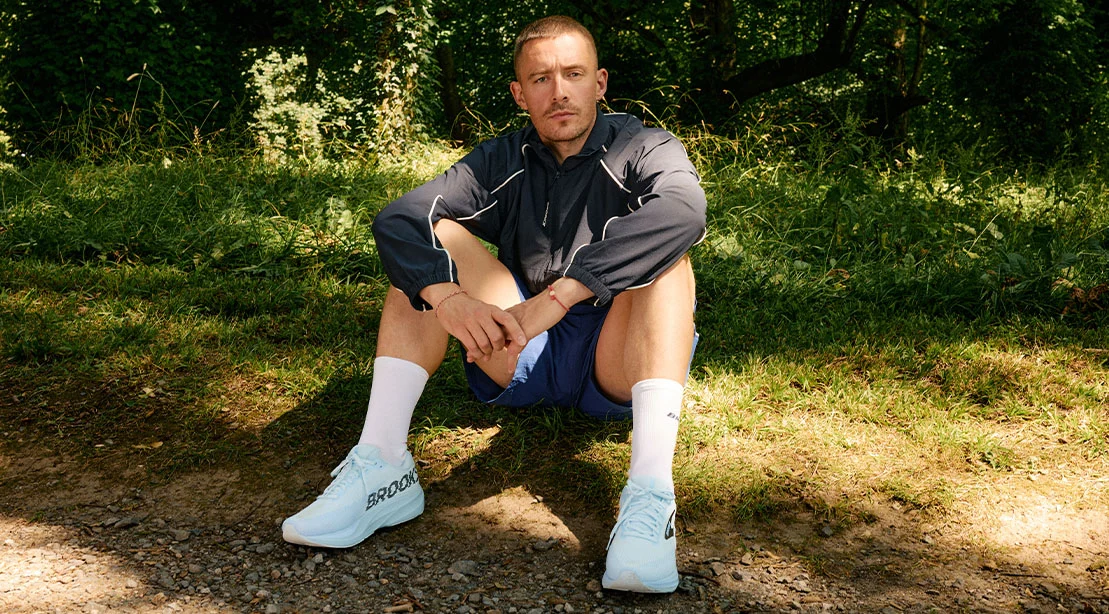
For Irish singer-songwriter Dermot Kennedy, the stage is not merely a platform for artistic expression; it is a grueling arena that demands the stamina of an athlete and the emotional vulnerability of a poet. As he navigates the global tour for his third studio album, The Weight of the Woods, Kennedy has transitioned from a musician who simply "gets through" the road to a dedicated practitioner of high-performance wellness. By blending a rigorous cardiovascular regimen with a deliberate, stoic approach to mental health, Kennedy is redefining what it means to sustain a modern music career.
The Intersection of Art and Athletics: The Main Facts
At the core of Kennedy’s current lifestyle shift is a strategic partnership with Brooks Running, specifically manifested through the "DK5K Series." This initiative is not a conventional promotional tour; it is a multi-city community engagement project where Kennedy hosts 5K runs for fans in the cities he visits.
The partnership, which launched earlier this summer in Dublin, highlights a shift in how artists connect with their audience. For Kennedy, the DK5K events represent an "authentic" departure from the transactional nature of traditional meet-and-greets. By integrating his personal fitness passion with his professional commitments, Kennedy is effectively building a "performance ecosystem" that supports his ability to deliver high-energy vocal sets night after night.
The primary objective for this routine is clear: to optimize his VO2 max and cardiovascular endurance. Singing, as Kennedy notes, is an athletic endeavor. It requires precise diaphragm control, sustained breath efficiency, and the stamina to project emotion across thousands of seats, often in varying climates and time zones.
A Legacy of Movement: Chronology and Athletic Roots
To understand Kennedy’s commitment to fitness, one must look at his formative years. Long before he was selling out arenas, he was a dedicated athlete. His youth was defined by his obsession with football (soccer), where he played as a central midfielder.
- The Early Years: Kennedy’s teenage years were marked by a dream of playing professionally for Manchester United. This period of intense physical training taught him the value of "flow states"—those rare moments on the pitch where movement becomes instinctive.
- The Transition: As music began to dominate his life, the structure he learned on the field did not disappear; it was repurposed. He realized that the physical requirements of professional football—constant movement, reactive agility, and sustained energy—mirrored the requirements of a global concert tour.
- The Integration: Today, running has replaced the football pitch as his primary conditioning tool. By focusing on being "light and quick," Kennedy avoids the common trap of bulky weightlifting that might hinder his mobility on stage. This philosophy of "functional athleticism" allows him to maintain the vocal and physical stamina needed for his current world tour.
The Architecture of an Album: Supporting Data and Insights
The creation of The Weight of the Woods serves as a case study in the emotional toll of artistry. Kennedy posits that the most grueling part of the process occurs in the isolation of the studio, long before the first fan hears the lead single.
"The bulk of the emotion is in the creation," Kennedy explains. He spends months living with these songs, agonizing over their narrative trajectory and their potential to resonate. By the time an album is released to the public, he has essentially completed the emotional journey of that work. This realization has forced him to develop a healthy detachment from the "release cycle."
Instead of fixating on the immediate reception of the music, he is learning to compartmentalize. He admits that the pressure surrounding his career is largely "self-inflicted." By detaching from the industry’s obsession with the next milestone, he has found a newfound sense of gratitude. He is no longer racing against his own success; he is, instead, focusing on the quality of the work and the sustainability of his career path.
Official Perspectives: The Philosophy of Recovery
Touring is notoriously taxing on the human body, characterized by fractured sleep cycles, erratic diets, and the constant stress of travel. Kennedy’s approach to recovery is notably "analog." While he keeps an eye on the latest biohacking trends, he remains committed to the foundational pillars of health.
- Vocal Preservation: After every performance, Kennedy follows a strict vocal cool-down. This involves quiet humming, a process he describes as "bringing everything back down." It is a simple, effective method to prevent long-term vocal cord fatigue.
- Thermal Therapy: During his Canadian tour dates, Kennedy utilized a rotation of hot tubs and cold plunges. This contrast therapy has become a cornerstone of his recovery, helping to manage inflammation and muscle soreness after two-hour sets.
- The Sleep Challenge: Despite his best efforts, Kennedy identifies sleep as his greatest adversary. The relentless demand of changing time zones is the hardest variable to control. He has largely rejected the reliance on sleep supplements, preferring to focus on natural recovery, hydration, and creating space to decompress.
The Digital Detox: A Lesson in Modern Stillness
Perhaps the most significant revelation in Kennedy’s recent journey occurred in Switzerland, where he lost his phone. In an era where being "connected" is considered a job requirement, the loss of his device forced a total disconnect.
"It was unexpectedly refreshing," Kennedy noted. The incident allowed him to experience silence in a way he hadn’t in years. It served as a catalyst for his current philosophy: that in a world of constant communication, the ability to create mental space is a competitive advantage. This realization is now influencing his tour life. He is learning that stepping away from the digital noise is just as vital for his creative longevity as vocal warm-ups or 5K runs.
Implications for the Future: Beyond the Stage
The implications of Kennedy’s routine are clear: he is building a career designed for the long haul. By viewing himself as a professional athlete who happens to play music, he is insulating himself against the burnout that plagues many of his contemporaries.
The partnership with Brooks Running—and the launch of the Ghost Amp—is not merely a corporate collaboration. It is a reflection of his ethos. Whether he is running a 5K with fans or standing center-stage in a sold-out stadium, Kennedy’s focus remains on "preparation creating freedom."
As The Weight of the Woods continues to permeate the global charts, Kennedy is already looking toward the next horizon. He does not view his career as a series of peaks and valleys, but as a continuous, flowing journey. He is not running to escape the pressure; he is running toward the next version of himself.
By prioritizing his physical health, embracing the necessity of recovery, and learning to detach from the suffocating weight of self-imposed expectations, Dermot Kennedy has found a sustainable path. In a volatile industry, he has become a model of consistency. For his fans, the music is a gift; for Kennedy, the music is the result of a life lived with intent, discipline, and a quiet, relentless drive to keep moving forward.
As he laces up his shoes for the next city in the DK5K series, it is evident that for Dermot Kennedy, the music is only half the story. The rest of the journey is found in the miles he covers, the breath he controls, and the stillness he cultivates in the chaos of the road.