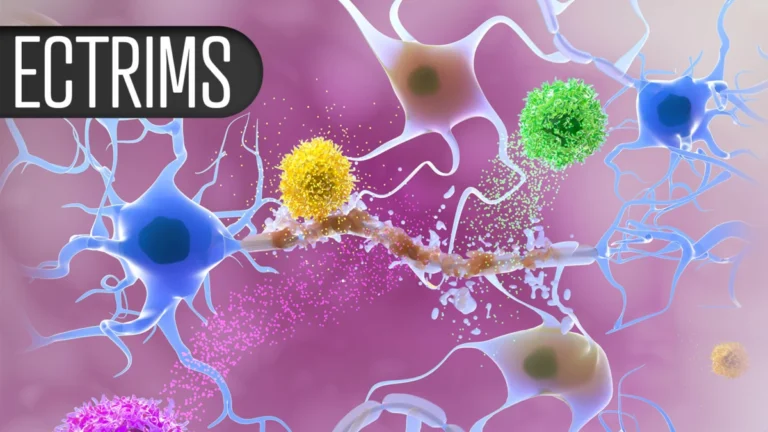










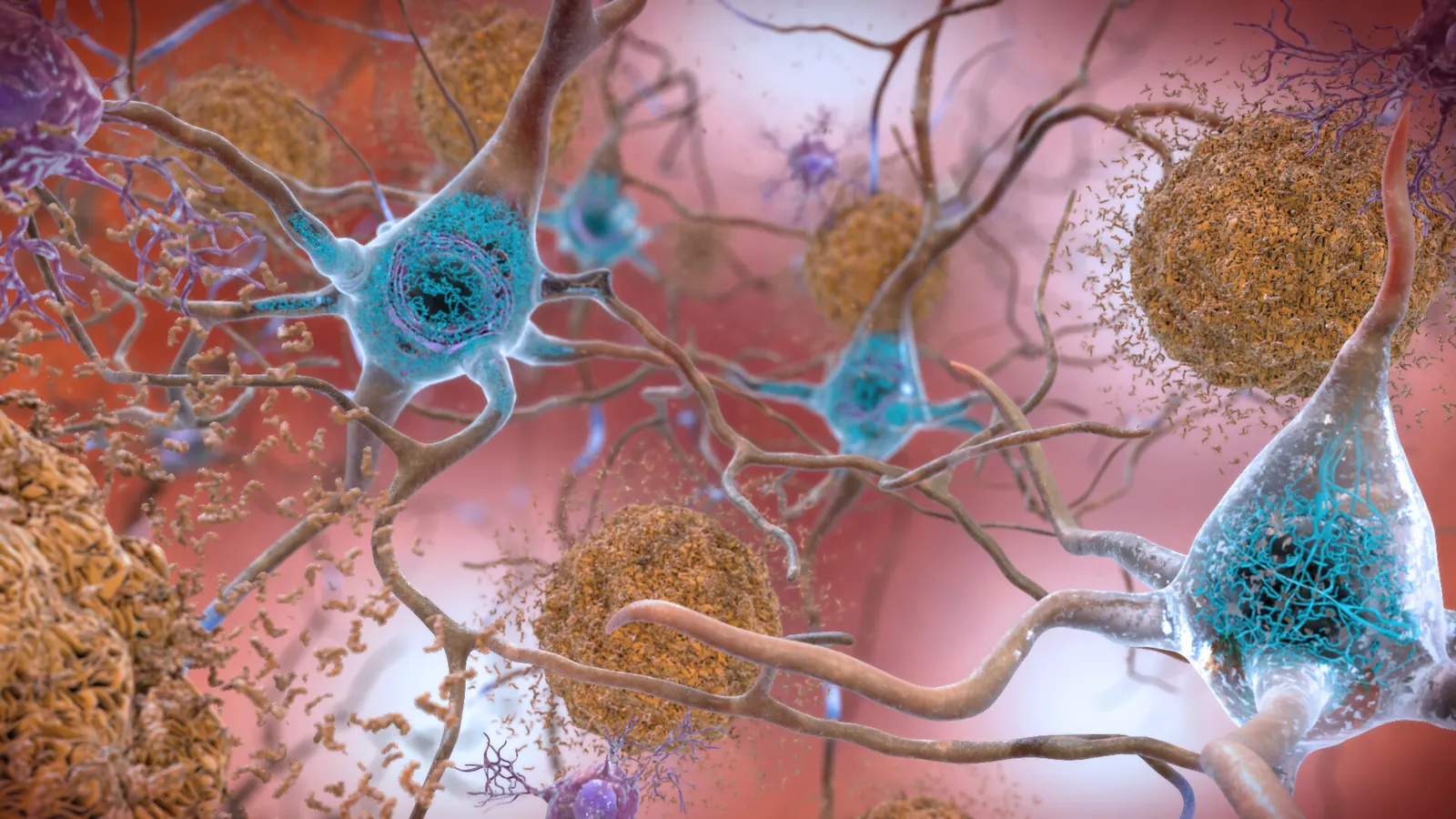
The landscape of Alzheimer’s disease diagnosis is undergoing a seismic shift. For decades, the identification of Alzheimer’s pathology—characterized by the accumulation of amyloid-beta plaques and tau protein tangles in the brain—relied on invasive and expensive diagnostic tools. Today, however, the medical community is witnessing the rapid integration of highly accurate, accessible blood-based biomarker tests. With major diagnostic powerhouses Labcorp and Quest Diagnostics now moving to implement the Elecsys pTau217 test, the era of routine, office-based screening for Alzheimer’s is no longer a distant prospect; it is an imminent reality.
The Science of Precision: Why pTau217 Matters
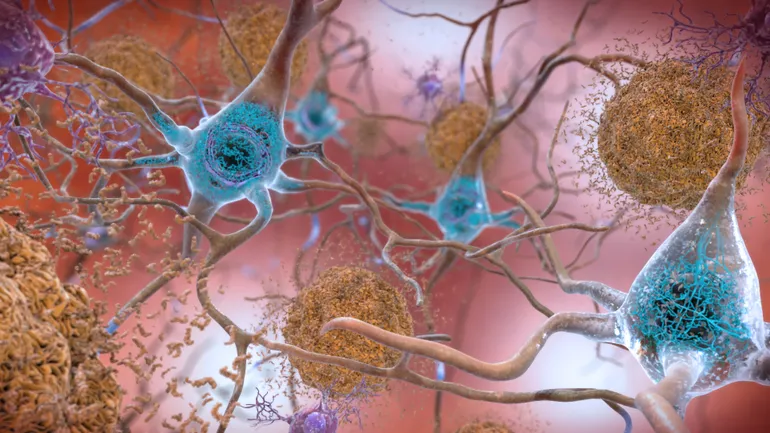
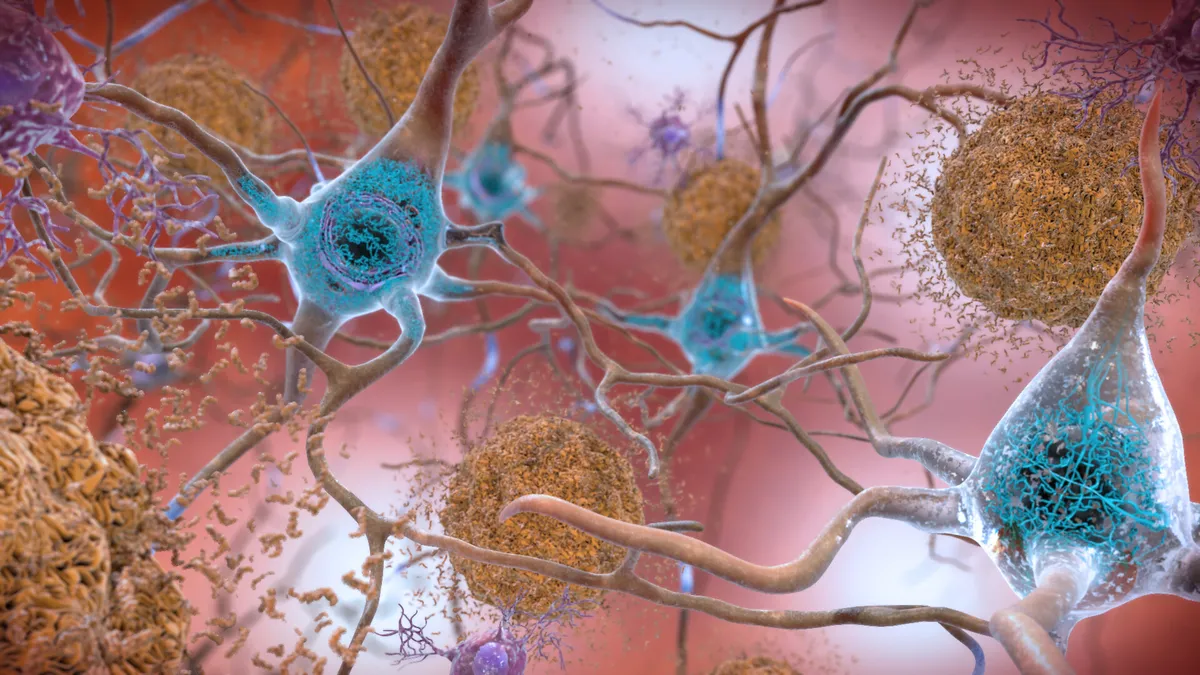
At the heart of this diagnostic revolution is the protein biomarker known as phosphorylated tau 217 (pTau217). In the progression of Alzheimer’s disease, tau proteins—which normally support the structure of neurons—become chemically altered, "phosphorylated," and begin to clump into toxic tangles. Research has consistently shown that levels of pTau217 in the bloodstream serve as a highly accurate proxy for the presence of amyloid plaques in the brain, the hallmark of Alzheimer’s pathology.
Compared to traditional diagnostic methods, such as positron emission tomography (PET) scans or cerebrospinal fluid (CSF) analysis via lumbar puncture, blood tests offer a revolutionary advantage: convenience. PET scans are prohibitively expensive and require radioactive tracers, while lumbar punctures are invasive and often require a specialist’s office. Blood-based assays, by contrast, can be performed during a routine physical, providing a scalable solution that can be utilized in primary care settings across the country.
Chronology: A Rapid Path to Clinical Adoption
The transition from experimental research to clinical utility has occurred at breakneck speed. The recent progression of FDA-cleared and laboratory-developed tests (LDTs) paints a picture of a sector gaining significant momentum:
- May 2025: The FDA cleared Fujirebio’s Lumipulse test, a landmark moment as it became the first in vitro diagnostic blood test specifically cleared to aid in the diagnosis of Alzheimer’s. The test works by analyzing the ratio of pTau217 to beta-amyloid proteins.
- Mid-2025: Following the surge in biomarker research, major clinical laboratories, including Labcorp and Quest, began offering laboratory-developed tests (LDTs) for pTau217, effectively opening the door for widespread physician access.
- Late 2025: The FDA granted clearance to C2N Diagnostics’ PrecivityAD2 test, which leverages mass spectrometry to measure amyloid and tau ratios. This test is specifically cleared for use in individuals aged 40 and older, broadening the potential demographic for early screening.
- Current Quarter: Roche, in collaboration with Eli Lilly, is rolling out the Elecsys pTau217 assay. Labcorp and Quest are now integrating this standardized technology into their national networks, setting the stage for nationwide availability.
Supporting Data: Validating the Diagnostic Shift
The clinical performance of these new blood tests is perhaps the most compelling argument for their adoption. According to data provided by industry leaders like Labcorp, the accuracy of the Roche-Lilly Elecsys test is comparable to the "gold standard" of CSF testing and PET imaging.
For clinicians, the primary challenge in previous years was the lack of standardization. Different laboratories utilized varying clinical cutoffs, leading to inconsistent results that made it difficult for physicians to rely on blood tests for definitive patient management. The Roche-Lilly collaboration addresses this directly. By promoting a standardized clinical cutoff, the Elecsys test ensures that a patient receiving a test in a primary care clinic in rural America receives the same level of diagnostic rigor as one visiting a specialized academic medical center.
Furthermore, the technology behind the C2N Diagnostics test—developed at the Washington University School of Medicine in St. Louis—uses mass spectrometry. This method is highly sensitive, allowing for the detection of minute protein concentrations in the blood, which effectively bridges the gap between screening and definitive diagnosis.
Official Responses and Strategic Implementations
The decision by industry giants to embrace these tests reflects a calculated strategic move toward broader market capture.
Labcorp’s Strategy
Labcorp has positioned itself as a bridge between high-end research and routine patient care. By making the Roche-Lilly Elecsys pTau217 test available nationwide, the company aims to simplify the diagnostic journey. "The performance of the Roche-Lilly test is comparable to CSF testing and PET imaging," Labcorp stated in a recent release, emphasizing that their goal is to provide a reliable, validated alternative that does not sacrifice accuracy for accessibility.
Quest Diagnostics’ Roadmap
Quest Diagnostics is taking a phased approach under its "AD-Detect" brand. The company confirmed it would introduce a laboratory test service utilizing the Elecsys assay in the fourth quarter of this year. Looking further ahead, Quest plans to fold this biomarker analysis into its broader AD-Detect diagnostic panels by 2027, signaling a long-term commitment to integrating Alzheimer’s screening into comprehensive geriatric health assessments.

Roche and the Role of Infrastructure
Roche’s contribution is as much about infrastructure as it is about biology. By designing the Elecsys test to run on its existing Cobas lab instruments—which are already ubiquitous in hospitals and commercial labs globally—Roche has removed the "barrier to entry" for clinical implementation. Labs do not need to purchase new, specialized machinery; they can simply integrate the new test into their existing high-throughput workflows.
Implications: The Future of Alzheimer’s Care
The move toward blood-based testing has profound implications for both patients and the healthcare system.
Earlier Intervention
Perhaps the most significant impact is the potential for earlier intervention. Alzheimer’s is a progressive disease; by the time cognitive symptoms become apparent to family members, significant neural damage has often already occurred. Blood tests allow for screening in the "pre-symptomatic" or "mild cognitive impairment" stages. This provides a critical window for patients to access disease-modifying therapies, such as the newly approved anti-amyloid monoclonal antibodies, which are most effective when administered early in the disease course.
Economic and Healthcare System Impact
Analysts at Leerink Partners have noted that the competitive landscape between companies like C2N, Roche, and Fujirebio is accelerating market adoption. "We finally see momentum with Alzheimer’s diagnostics," the analysts noted in a client update. This competition is expected to drive down costs, increase insurance reimbursement coverage, and reduce the burden on specialized neurology centers, which currently suffer from long wait times.
Addressing Health Equity
Historically, access to advanced Alzheimer’s diagnostics was limited by geography and socioeconomic status. Patients living in rural areas or those without easy access to tertiary academic centers were often left without a formal diagnosis. The democratization of blood-based testing via national laboratory networks like Labcorp and Quest is a major step toward health equity, ensuring that regardless of a patient’s zip code, they have access to the same diagnostic precision as patients in major metropolitan areas.
Conclusion
The integration of pTau217 blood tests into the clinical mainstream represents the most significant advancement in Alzheimer’s disease management in decades. While these tests do not "cure" the disease, they serve as the vital gatekeeper that allows for accurate, timely, and accessible diagnosis. As Labcorp and Quest Diagnostics scale their operations and as the medical community grows more comfortable with these assays, the "wait and see" approach to cognitive decline is being replaced by a proactive, data-driven methodology.
The battle against Alzheimer’s is far from over, but with these new diagnostic tools, the healthcare industry is finally equipped with the precision required to identify the enemy early, track its progress with accuracy, and provide patients with the clarity they deserve.