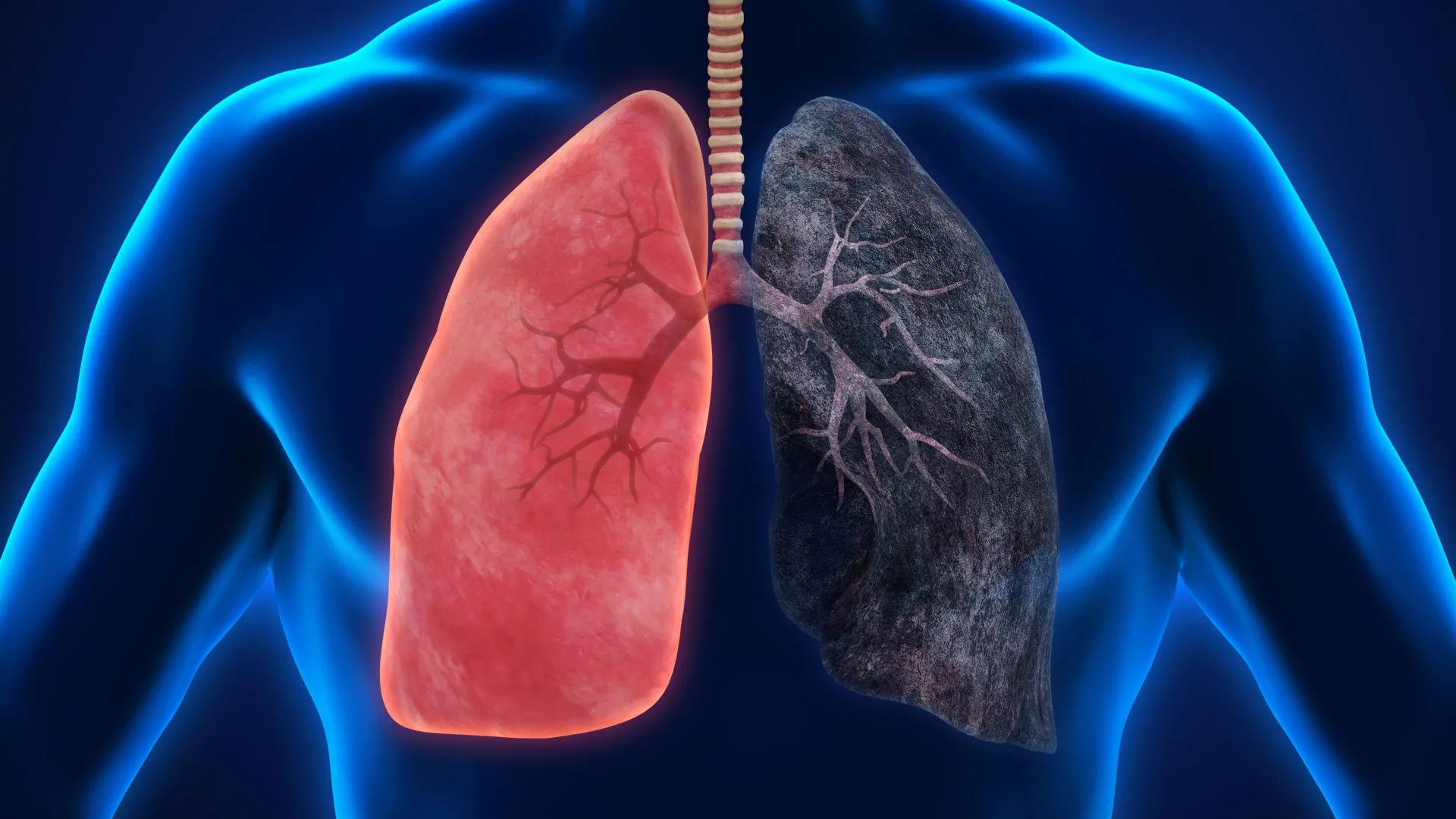
As marijuana legalization continues to sweep across the United States and various parts of the globe, a prevailing cultural narrative has emerged: that cannabis is a relatively benign substance, particularly when compared to the well-documented dangers of alcohol and tobacco. However, as public consumption patterns shift, the medical community is sounding a note of caution. For oncologists and thoracic surgeons, the "safety" of marijuana is a complex, unresolved question. While tobacco’s role as a carcinogen is settled science, the relationship between marijuana use and cancer is currently being parsed through a lens of emerging, and increasingly concerning, clinical data.
The Main Facts: A Shifting Medical Consensus
The central concern regarding marijuana consumption stems from the mechanics of inhalation. According to Dr. Brooks Udelsman, a thoracic surgeon with USC Surgery at Keck Medicine of USC, the perception of marijuana as inherently safe is being challenged by rigorous research.
The primary issue is not necessarily the plant itself, but the act of burning it. When organic material is combusted, it releases a cocktail of particulate matter and chemical compounds that are inherently irritating to the respiratory system. While proponents often point to the therapeutic benefits of cannabinoids like THC and CBD, these compounds are being studied alongside the potential carcinogenic byproducts of smoke inhalation. The medical community is now forced to investigate whether the "recreational" label has blinded the public to the long-term, systemic risks associated with chronic, heavy inhalation.
A Chronology of Discovery: From Anecdote to Clinical Study
For decades, marijuana was relegated to the fringes of formal medical research due to its legal status, which stifled long-term longitudinal studies. However, the last decade has seen a surge in data as researchers gain access to larger patient cohorts.
- Early 2010s: Initial studies began to focus on the respiratory impact of marijuana, often grouping it with tobacco studies. Findings were frequently inconclusive due to "confounding factors"—the tendency for marijuana users to also smoke tobacco.
- Late 2010s: As vaping and high-potency cannabis concentrates became mainstream, doctors began documenting a rise in acute, severe inflammatory lung conditions, distinct from cancer but indicative of significant cellular distress.
- 2020–Present: Research from institutions like the Keck Medicine of USC has moved beyond general observations, specifically isolating heavy marijuana use as a variable. Recent studies led by Dr. Niels Kokot have provided the first concrete statistical links between high-frequency cannabis use and specific malignancies, including head and neck cancers, as well as lung cancer sub-types.
Supporting Data: Examining the Links to Malignancy
The data currently being generated by the USC Caruso Department of Otolaryngology and other research centers suggests that the risks are far from negligible, particularly for heavy, daily users.
Head and Neck Cancers
A significant study conducted by Dr. Niels Kokot and his team revealed a staggering correlation: individuals who reported daily marijuana use were between 3.5 and 5 times more likely to develop head and neck cancers compared to non-users. This category of cancer encompasses a broad anatomical range, including the mouth, pharynx, larynx, oropharynx (tongue and tonsils), and the salivary glands. The intensity of this correlation has prompted a call for better screening protocols for patients who present with these symptoms but lack a history of tobacco use.
Lung Cancer: Small Cell and Non-Small Cell
The research also distinguishes between the two primary categories of lung cancer. Small cell lung cancer, which is notoriously aggressive and historically tied almost exclusively to heavy tobacco use, is now appearing in a subset of heavy marijuana smokers. Dr. Udelsman notes that "it is almost unheard of to get small cell lung cancer without some type of inhalational injury." Furthermore, non-small cell lung cancer—the most common form—is showing an increased prevalence in patients who smoke both tobacco and marijuana, suggesting a compounding or synergistic effect.
The Mystery of the Dose-Response Relationship
One of the most pressing questions in oncology today is the threshold of risk. At what point does recreational use transition into a medically significant risk factor? Dr. Udelsman admits that the "dose relationship" is the missing piece of the puzzle. While the data is alarming for heavy, chronic users—those who develop a physical dependency or require clinical intervention—it remains unclear if the occasional user (once a week or a few times a year) incurs the same level of cellular damage. Current suspicion leans toward a "minimal risk" profile for sporadic users, but this remains a hypothesis awaiting long-term longitudinal verification.
Official Responses and Pathophysiological Mechanisms
Why does marijuana smoke cause cancer? The answer lies in the biology of inflammation. Dr. Udelsman explains that any substance capable of inducing chronic, long-lasting inflammation creates a fertile environment for malignant transformation.
Tobacco smoke is known to contain over 7,000 chemicals, with roughly 70 being confirmed carcinogens. Marijuana smoke shares a chemical profile with tobacco in many respects, containing many of the same combustion byproducts. Moreover, the primary psychoactive ingredient, THC, is associated with the conversion of polycyclic aromatic hydrocarbons (PAHs). When these compounds enter the lungs, they trigger a cascade of inflammation and direct DNA damage.
"Anytime inflammation and changes to DNA occur, you’re at risk for developing cancer," Dr. Udelsman says. This biological reality is the bedrock upon which the current oncological concerns are built.
Implications: Vaping, Edibles, and Future Risks
As consumption methods diversify, the medical community is frantically trying to play catch-up.
The Question of Edibles
For those looking to avoid the risks of smoke, edibles have become the preferred alternative. The current scientific consensus—though admittedly early—is that non-smoking methods are likely safer regarding lung cancer. "As of now, there does not seem to be a relationship between edibles and lung cancer," says Dr. Udelsman. However, he qualifies this by noting that data on other types of cancers related to ingested cannabis is virtually non-existent, leaving a significant gap in our understanding.
The Vaping Conundrum
Vaping is perhaps the most contentious area of current research. While it was once marketed as a "cleaner" alternative, doctors are seeing an uptick in severe, benign inflammatory lung diseases. Because vaping has only been widely adopted for about 15 years, there is no longitudinal data to definitively rule out cancer risks. However, the surgical perspective is cautious: "I’d worry about anything you’re breathing into your lungs because it infiltrates the cells and air sacs… which can cause damage and put you at a higher risk for cancer," warns Dr. Udelsman.
Secondhand Exposure
While the evidence is not yet conclusive, the risks of secondhand marijuana smoke cannot be ignored. The inhalation of particulate matter, regardless of the source, remains a potential catalyst for inflammatory respiratory issues. Until further studies are conducted, medical professionals advise treating marijuana smoke with the same caution as environmental pollutants.
Conclusion: A Call for Transparency
The medical community is not suggesting that a widespread cancer epidemic is imminent, nor are they calling for a prohibitionist return to the past. Rather, the message is one of informed consent. As Dr. Udelsman suggests, the body is remarkably resilient, and occasional, light use likely allows for recovery with minimal long-term damage.
The real target of concern is the "chronic, heavy exposure" demographic—those using marijuana daily, multiple times a day. For these individuals, the risk profile is beginning to look increasingly similar to that of the traditional tobacco smoker. The recommendation for these users is clear: initiate a frank, honest conversation with a primary care provider or a specialist. Understanding one’s personal cancer risk factors, discussing smoking habits, and potentially undergoing earlier or more frequent screenings are essential steps in navigating the modern reality of marijuana use. In an era where information is often clouded by marketing and cultural shifts, the cold, clinical data serves as the only reliable guide for public health.