In a significant development for the digital health sector, Sleep Cycle—the renowned developer of AI-driven sleep analysis technology—has announced that over 150,000 individuals have officially registered their interest in its upcoming sleep apnea risk detection solution. This surge in consumer engagement, occurring well ahead of the product’s commercial launch, signals a pivotal shift in how the public perceives home-based health diagnostics. As the medical community continues to grapple with the widespread underdiagnosis of obstructive sleep apnea (OSA), Sleep Cycle’s pivot toward clinical-grade screening tools represents a high-stakes effort to move sleep medicine out of the laboratory and into the bedroom.
Main Facts: A New Frontier in Digital Health
The core of Sleep Cycle’s announcement lies in the sheer scale of the interest group. With 150,000 potential users queued up, the company has validated a hypothesis long held by digital health innovators: consumers are actively seeking low-friction, non-invasive ways to monitor their respiratory health.
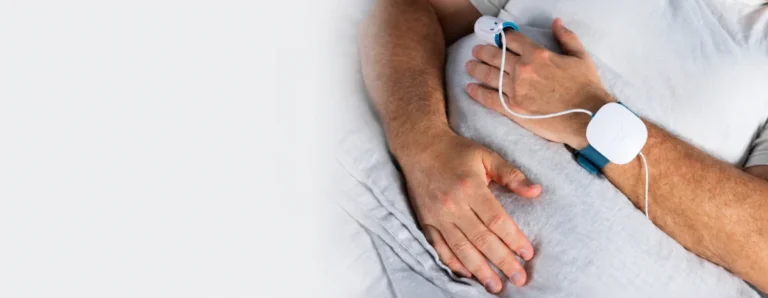
The solution, which leverages more than a decade of proprietary audio-based sleep analysis, is designed to be entirely contactless. Unlike traditional polysomnography (PSG)—the "gold standard" sleep study that requires patients to spend the night in a clinical facility strapped with cumbersome sensors—Sleep Cycle’s approach utilizes smartphone-based acoustic analysis. By identifying the tell-tale signs of apnea, such as irregular breathing patterns and snoring fluctuations, the tool aims to provide an accessible "first look" at a patient’s sleep health.
Key highlights of the upcoming launch include:
- Targeted Demographic Reach: The waitlist is primarily composed of individuals from the United States and the United Kingdom.
- High-Risk Focus: A notable overrepresentation of adults aged 45 and older, a demographic statistically most susceptible to undiagnosed OSA.
- Regulatory Strategy: The company is currently engaged in a rigorous clinical validation process with a US-based contract research organization (CRO), with completion expected by September 2026.
- B2B and B2C Integration: While the solution will launch via a direct-to-consumer model, it is built with an API-first mindset to allow for seamless integration into insurance wellness programs, employer-sponsored health platforms, and broader digital health ecosystems.
Chronology of Development
Sleep Cycle’s journey to this announcement has been marked by a transition from a consumer-wellness app to a medical-grade diagnostic platform.
- The Foundation (2010–2020): Sleep Cycle established its brand through its popular app, which used sound analysis to track sleep stages and wake users during their lightest sleep phases. Over these ten years, the company accumulated a massive database of sleep audio, creating a unique technological moat that competitors would find difficult to replicate.
- The Pivot to Medical Diagnostics (2021–2023): Recognizing the health crisis caused by undiagnosed sleep apnea, the company began refining its algorithms to specifically detect breathing disturbances associated with the condition.
- Regulatory Alignment (2024): The company reached a critical milestone by hitting the internal performance benchmarks required for regulatory approval. This was the trigger for the current clinical validation study.
- The Waitlist Launch (2025): The opening of the interest registry provided the company with tangible data regarding market demand, proving that the appetite for home-based apnea screening is not just theoretical, but substantial.
- The Roadmap to 2026: The ongoing clinical trial is the final hurdle before the company seeks formal regulatory clearance to market the solution as a diagnostic screening tool.
Supporting Data: Why the 45+ Demographic Matters
The demographic profile of the 150,000 registrants is perhaps the most telling aspect of this news. Data consistently shows that sleep apnea disproportionately affects middle-aged and older adults. According to the American Academy of Sleep Medicine, untreated OSA in this demographic is linked to a heightened risk of hypertension, type 2 diabetes, cardiovascular disease, and stroke.
The fact that the Sleep Cycle interest group is skewed toward the 45+ demographic suggests that the company’s marketing and brand positioning are resonating exactly where they are needed most. By reaching this population, Sleep Cycle is positioning its product as a preventive health tool rather than a mere "gadget."
Furthermore, the balanced gender distribution in the waitlist is noteworthy. Historically, sleep apnea has been viewed as a condition affecting men, leading to a significant diagnostic gender gap for women. The inclusion of a broad, balanced user base indicates that the technology is effectively capturing the diverse manifestations of sleep disturbances across genders.
Official Responses: CEO Vision and Industry Perspective
Erik Jivmark, CEO of Sleep Cycle, has been vocal about the company’s mission to democratize sleep health. In a recent statement, Jivmark emphasized the scale of the problem: "Sleep apnea remains significantly underdiagnosed, despite its serious impact on long-term health and quality of life. Seeing more than 150,000 individuals register their interest ahead of commercial availability reinforces our conviction that there is clear demand for more accessible solutions for early detection of sleep apnea risk."
Jivmark’s sentiment reflects a broader industry movement toward "decentralized clinical trials" and home-based monitoring. By lowering the barrier to entry—removing the need for an overnight hospital stay—Sleep Cycle is essentially attempting to "filter" the population. Those who test positive on the Sleep Cycle app can then be referred to physicians for definitive testing and treatment, thereby streamlining the clinical pipeline and ensuring that medical resources are utilized by those who need them most.
Implications: The Future of Sleep Medicine
The implications of this development are twofold: the disruption of the traditional sleep clinic model and the empowerment of the "proactive patient."
1. The Disruption of the Clinic
Traditional sleep clinics have long struggled with waitlists and high costs. If a smartphone app can accurately screen for apnea, it could shift the role of the clinic from "discovery" to "treatment and management." This is a significant economic shift. Insurance companies, who bear the cost of expensive PSG studies, are likely to view such technology as a cost-saving measure, potentially leading to the inclusion of Sleep Cycle’s tool in health plan coverage.
2. The Empowerment of the Patient
For the millions of individuals who suffer from excessive daytime sleepiness, morning headaches, and cognitive fog, the prospect of a "clinical-grade test at home" is transformative. Many people go years without seeking help because they are intimidated by the idea of an overnight study. By making the process as simple as setting an alarm on a smartphone, Sleep Cycle is removing the psychological barrier to medical intervention.
3. Long-term Strategic Potential
Looking beyond the consumer market, the company’s focus on partner integration is strategic. By building a platform that can plug into employer wellness programs, Sleep Cycle is positioning itself as a cornerstone of corporate health initiatives. As businesses look for ways to lower health insurance premiums and improve employee productivity, sleep health—specifically the management of sleep apnea—is becoming a high-priority investment.
Conclusion: The Road to 2026 and Beyond
As the clinical validation study progresses toward its September 2026 completion date, all eyes will be on the performance metrics of the algorithm. If Sleep Cycle can demonstrate, through rigorous, peer-reviewed data, that its acoustic analysis is on par with existing screening methods, the company will have effectively transformed from a sleep-tracking app into a critical component of the healthcare infrastructure.
The 150,000 people on the waitlist are not just users; they are early adopters in a movement to take control of one of the most fundamental aspects of human health. As Sleep Cycle prepares for its commercial launch, the company’s success will likely serve as a benchmark for how artificial intelligence, mobile technology, and clinical rigor can converge to solve some of the most persistent, yet overlooked, challenges in modern medicine.
For the patient, the future is clear: the ability to diagnose one’s own health risks will soon be as close as the phone on the nightstand. The challenge ahead for Sleep Cycle will be maintaining that trust as they transition from a tech company to a health-tech provider, ensuring that as they scale, the accuracy of their AI remains the bedrock of their promise to the public.