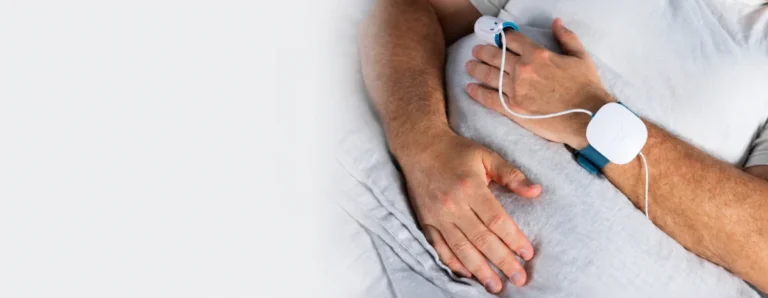
In a groundbreaking move to demystify the nocturnal habits of the American public, the National Sleep Foundation (NSF) has partnered with Tempur-Pedic to release a comprehensive study that bridges the long-standing divide between how people feel about their sleep and what their physiology actually experiences. The report, titled "Two Views of the Night: Consumer Reported Sleep Insights Paired with Smart Bed Data," offers a dual-lens perspective, combining traditional survey-based insights with the objective, granular metrics harvested from over 190 million nights of in-home sleep recorded by smart beds equipped with Sleeptracker-AI technology.
By synthesizing these two disparate data sets, the report moves beyond anecdotal evidence to present a more nuanced, scientifically grounded portrait of the nation’s sleep health.
The Main Facts: A Dual-Lens Approach to Sleep Science
For decades, sleep researchers have faced a fundamental hurdle: the "subjective-objective gap." Most sleep studies rely on either self-reported diaries—which are prone to recall bias and psychological interpretation—or clinical lab data, which often lacks the authenticity of a person’s natural home environment.
The NSF’s latest initiative solves this by pairing a nationally representative survey of U.S. adults with the passive, continuous monitoring provided by AI-integrated smart beds. This creates a feedback loop where the human perception of "a good night’s rest" is tested against the cold, hard numbers of heart rate, respiration, and movement patterns.
The primary findings confirm a sobering reality: despite the rising popularity of sleep-tracking wearables and wellness technology, Americans are still falling short of recommended sleep hygiene standards. The data indicates that sleep duration remains insufficient for a vast swath of the population, and even when individuals manage to stay in bed for the recommended seven to nine hours, the quality of that sleep is frequently compromised by environmental and physiological stressors.
Chronology: How the Research Evolved
The path to this report represents a multi-year effort to modernize sleep data collection.
- Phase One (Foundational Surveying): The NSF conducted an extensive, nationally representative survey aimed at capturing the "lived experience" of sleep. This involved gauging emotional responses, perceived fatigue, and the specific barriers respondents identified as hurdles to their rest.
- Phase Two (Data Integration): Researchers integrated these subjective insights with the massive longitudinal dataset provided by Tempur-Pedic. This involved analyzing anonymized data from over 190 million nights of sleep, leveraging Sleeptracker-AI, which uses high-precision sensors to track sleep cycles without the need for wearable devices.
- Phase Three (Cross-Referencing): The core of the project involved the cross-referencing of these datasets. By matching the survey respondents’ perceptions of their sleep quality against the objective biometric data from similar demographics, the team was able to identify where personal perception aligns with physiological reality—and where it diverges.
- Phase Four (Publication): The final report was compiled to offer both a diagnostic tool for researchers and a practical guide for consumers, culminating in the formal release of the findings to the public.
Supporting Data: What the Numbers Reveal
The report highlights that the "quality vs. quantity" debate is no longer a matter of opinion but of measurable data. While many Americans report feeling "tired" upon waking, the objective data provides the "why."
The Primary Disruptors
The analysis identified four major "sleep thieves" that consistently degrade sleep quality:
- Racing Minds: The most frequently cited barrier, where psychological stress prevents the transition into deep, restorative sleep phases.
- Physical Discomfort: Sensor data clearly tracks increased movement during the night, indicating that mattresses or pillows may be failing to support the sleeper’s ergonomic needs.
- Environmental Noise: Even ambient noise, which may not fully wake a person, is shown to fragment sleep cycles, preventing the sleeper from reaching the deep REM (Rapid Eye Movement) stages necessary for cognitive restoration.
- Temperature Sensitivity: Fluctuations in room or bed temperature were statistically correlated with increased wake-after-sleep-onset (WASO) events.
The Sleeptracker-AI data confirms that for many, the "sleep architecture"—the internal structure of sleep cycles—is fragmented. Even for those who believe they are sleeping "well," the data reveals frequent micro-arousals that leave the sleeper feeling unrefreshed, proving that perception is often lagging behind physiological evidence.
Official Responses: Insights from Industry Leaders
The release of the report has drawn significant attention from both health advocates and the home-wellness industry.
John Lopos, CEO of the National Sleep Foundation, emphasized the importance of this methodology in a press release. "Any alignment between lived experiences and tracker data can give us a far more complete and credible picture of the nation’s sleep health and beyond," Lopos stated. He suggested that by moving away from isolated data sets, the medical community can better tailor interventions for those struggling with chronic sleep issues.
Jill Johnson, Vice President of the Tempur-Pedic brand, echoed these sentiments, noting that the partnership serves a functional purpose for product innovation. "These findings show that Americans can still do better on getting the recommended amount of sleep, and many are still falling short when it comes to sleep quality," Johnson said. She explained that the data is not merely for observation; it is being used to engineer future sleep systems. "Better sleep starts with understanding what is disrupting sleep throughout the night. By analyzing millions of nights of sleep… we gain insights into the factors that impact sleep quality and use those learnings to design products that help people achieve more restorative sleep."
Implications: A New Era of Sleep Health
The implications of this report are vast, spanning from public health policy to individual lifestyle changes.
1. Toward Personalized Sleep Hygiene
The most immediate implication is the shift toward personalized sleep health. Rather than relying on generic "one size fits all" advice, the pairing of objective data with subjective reports allows for more granular recommendations. If a user’s data shows they consistently wake up when the room temperature rises, the actionable advice is no longer just "try to relax," but "regulate your environment."
2. The Future of Smart Home Integration
As AI continues to mature, the data suggests that our sleeping environments will eventually become proactive rather than reactive. Imagine a smart bed that senses a "racing mind" through heart rate variability and automatically adjusts its firmness or internal climate to soothe the occupant before a full-blown wake event occurs. The report provides the empirical justification for the development of such responsive technology.
3. Bridging the Clinical-Consumer Gap
Historically, clinical sleep studies (polysomnography) have been the gold standard, but they are expensive, invasive, and capture only a single night of data in an artificial environment. This report demonstrates that longitudinal, home-based data can provide a "real-world" context that clinical settings often miss. This could lead to a future where doctors use long-term smart-bed data to diagnose sleep disorders, rather than relying on a single night in a lab.
4. Societal Impact
The report underscores that sleep is a fundamental pillar of public health. As the NSF and Tempur-Pedic continue to analyze these massive data sets, the findings could influence everything from corporate wellness programs to architectural standards for bedrooms. By treating sleep as a quantifiable, manageable asset rather than a mysterious biological necessity, the report empowers individuals to take agency over their nocturnal lives.
Conclusion: Understanding the Full Picture
The National Sleep Foundation’s report, Two Views of the Night, marks a definitive shift in how we study the human condition. By validating the subjective feelings of the individual with the objective precision of AI-driven technology, we are finally moving toward a comprehensive understanding of the silent crisis of sleep.
As we move forward, the challenge will be to ensure that this data is used ethically and effectively. The findings make it clear: we are a nation that wants to sleep well, but we are consistently thwarted by a combination of internal stress and environmental factors. With the right tools and a deeper understanding of the "two views" of our nights, achieving restorative, high-quality sleep is no longer a matter of guesswork, but of informed, data-driven action.
For the millions of Americans currently staring at the ceiling, this report offers a glimmer of hope: the path to a better night’s rest is no longer hidden in the dark. It is being measured, analyzed, and, ultimately, understood.