In the landscape of American dining, few concepts evoke a sense of nostalgia, community, and culinary authenticity quite like the "fish camp." Historically, these establishments were modest, waterside shacks where local anglers would bring their daily catch to be fried, seasoned, and served immediately to friends and family. While the modern era has seen the rise of polished, corporate seafood franchises, a select group of "fish camp" chains has successfully bottled that lightning—preserving the rustic, communal atmosphere of the past while elevating the quality of the catch for the contemporary palate.
For food enthusiasts and road-trippers alike, these aren’t just restaurants; they are cultural touchstones. Whether you are seeking the perfect hush puppy, the quintessential fried catfish, or an oyster selection that rivals high-end bistros, these four chains have cultivated a cult-like following.
The Evolution of the Fish Camp: From Shack to Regional Staple
The concept of the fish camp is deeply rooted in Southern and coastal American history. Originally, these locations were functional hubs—simple structures located near boat launches or riverbanks. They served as the social heart of small fishing communities. The menu was dictated entirely by what the boats brought in that morning.
Today, the "Fish Camp" brand has evolved. While they maintain the relaxed, "backyard" aesthetic that made the originals famous, these modern iterations have professionalized their supply chains. They focus on regional sourcing, sustainability, and consistency, ensuring that the experience of eating a piece of perfectly flaky, crispy fish is identical whether you’re at the flagship location or a newer outpost.
Chronology: The Rise of the Modern Fish Camp
- Early 20th Century: The birth of the traditional fish camp as a informal, hyper-local gathering spot for fishermen and their families.
- Late 1990s – Early 2000s: A resurgence in "authentic" dining leads restaurateurs to formalize the fish camp concept, adding structural comfort and broader menus while retaining the rustic theme.
- 2010s – Present: Chains like Owen’s and Tia Juanita’s begin expanding, proving that the fish camp model can thrive as a destination-worthy regional chain.
The Titans of the Coastal Kitchen: A Deep Dive
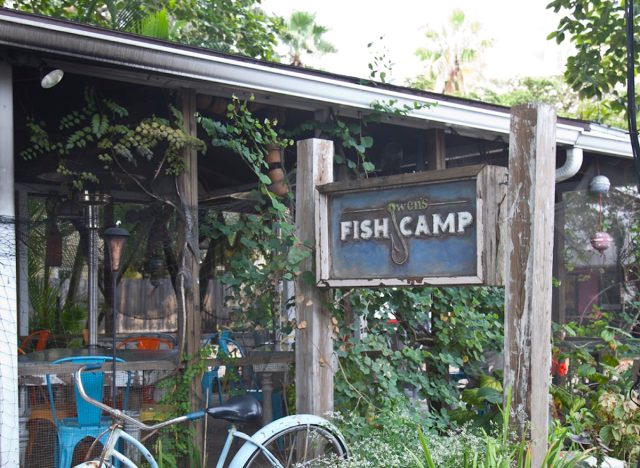
1. Owen’s Fish Camp: The Florida Gold Standard
Based in the heart of Florida, Owen’s Fish Camp has become a pilgrimage site for seafood lovers. With locations in Sarasota and Lakewood Ranch, it captures the "Old Florida" aesthetic—replete with hanging moss, backyard vibes, and a menu that feels like a love letter to the Gulf Coast.
The Culinary Experience:
Diners often cite the cornbread-crusted catfish as the crown jewel of the menu. When paired with traditional Southern sides like collard greens and creamy, stone-ground grits, the dish transcends standard pub fare. The secret, according to patrons, lies in the texture: a breading that maintains an impossible crunch while the fish inside remains delicate and buttery.
The Fan Perspective:
"This is the reason we drive to Florida for our annual vacation," says one frequent visitor. "The seasoned trout is a masterclass in simplicity, and the atmosphere makes you feel like you’ve been invited to a lifelong friend’s backyard barbecue. If you’re in the area and skip this, you’re missing the point of the Florida coast."
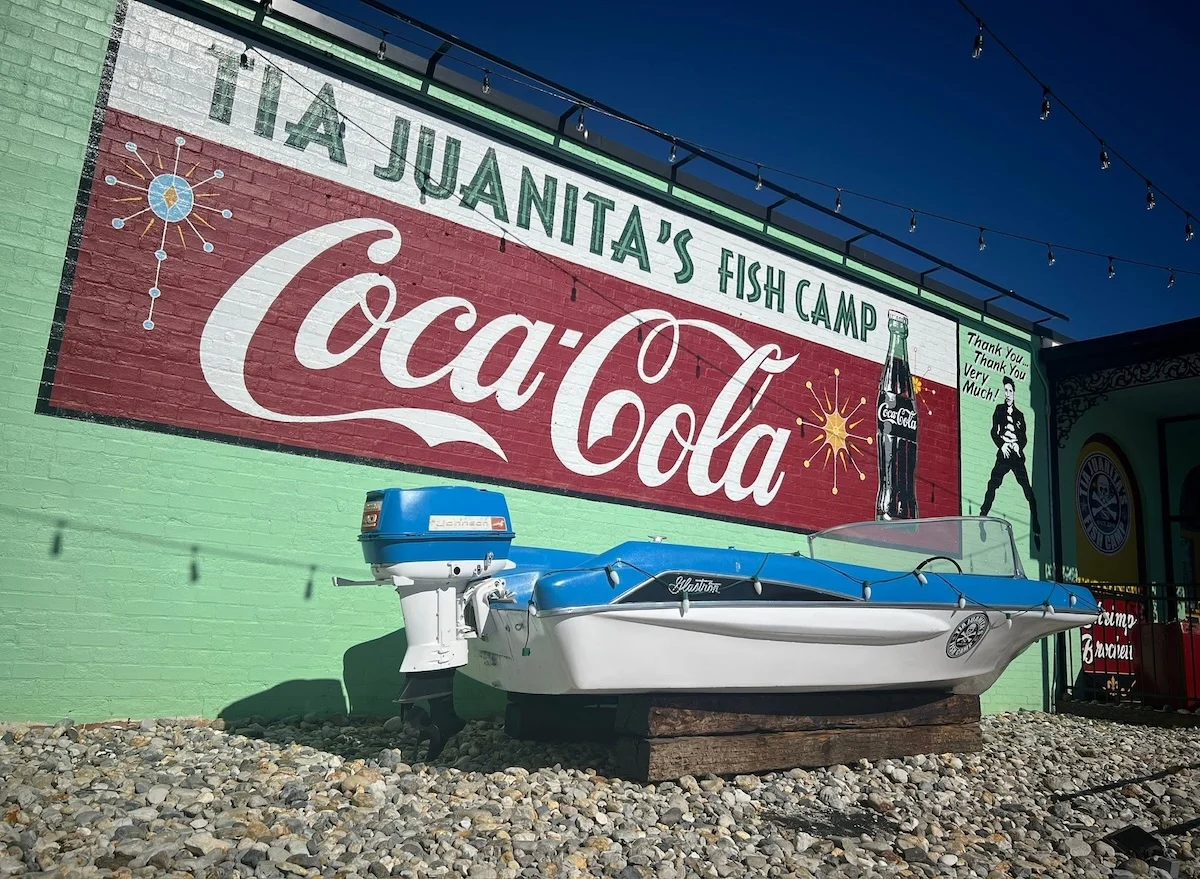
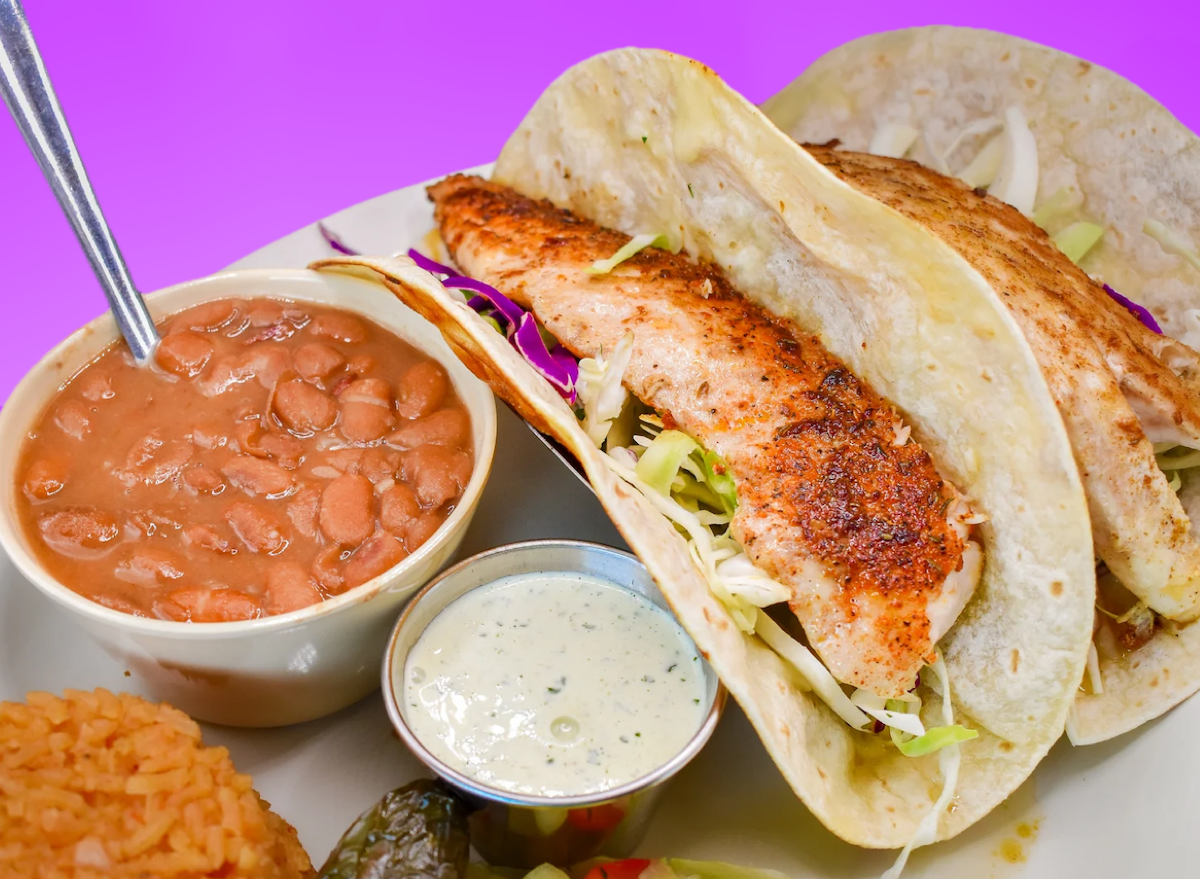
2. Tia Juanita’s Fish Camp: The "Mexicajun" Revolution
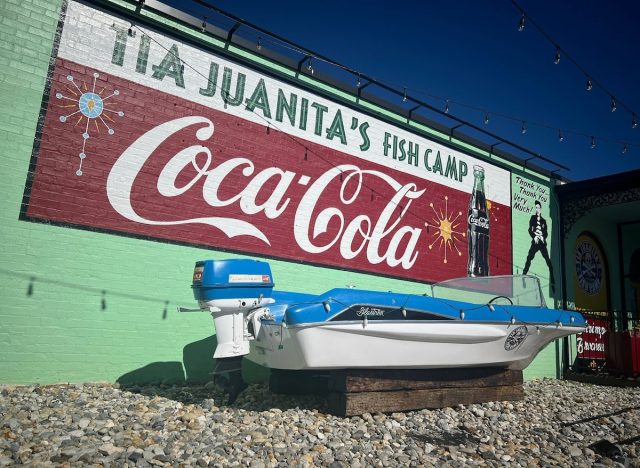
Spanning across Southeast Texas, Tia Juanita’s Fish Camp represents the intersection of two distinct culinary traditions: the bold, spicy profiles of Cajun cooking and the comforting, zesty richness of Mexican cuisine. This "Mexicajun" fusion has turned the chain into a regional powerhouse.
The Culinary Experience:
The menu is a daring departure from the traditional fried-fish-and-slaw approach. Their seafood enchiladas, for instance, are a masterclass in balance—creamy, cheesy, and packed with fresh, briny seafood. The inclusion of fried ribs alongside traditional coastal staples suggests a menu designed for adventurous eaters who want the best of both worlds.
The Fan Perspective:
"I was skeptical about ‘Mexicajun’ until my first visit," one diner shared. "The depth of flavor in the sauces, combined with the freshness of the catch, is something you don’t find in typical seafood chains. The fact that I can get world-class fried ribs and fresh Gulf shrimp at the same table is a game changer."
3. The Fish Camps: A North Florida Institution
Specializing in the bounty of the Atlantic, The Fish Camps chain has carved out a reputation for being the go-to destination for those who want their seafood served with no pretense, just excellence.
The Culinary Experience:
The focus here is on the "catch of the day." By prioritizing local partnerships with North Florida fishing fleets, the chain ensures that the fish on your plate was likely swimming in the ocean within the last 24 hours. The fried green tomatoes—a mandatory appetizer for any serious patron—provide the perfect tangy, crunchy precursor to the main event.
The Fan Perspective:
"It’s all about the portions and the freshness," notes a regular. "You don’t go to The Fish Camps to be fancy. You go to eat until you’re full of the best fried shrimp in the state. The fish is consistently cooked to that perfect, flaky point, and the service feels like family."
4. Stinky’s Fish Camp: Coastal Magic on 30A
Located in Santa Rosa Beach, Florida, Stinky’s Fish Camp is more than just a restaurant; it’s a lifestyle brand. Part of the broader Dawson Group, it is widely considered one of the most iconic dining experiences along the famous 30A stretch.
The Culinary Experience:
The blackened redfish is the stuff of local legend. The technique involves a spice blend that provides a deep, complex crust without overpowering the natural sweetness of the fish. When served with their signature lemon-leek sauce over Brabant potatoes, it provides a "flavor bomb" that elevates the humble fish camp concept to a gourmet level.
The Fan Perspective:
"Pure coastal magic in every bite," raves a longtime patron. "Stinky’s isn’t just a place to grab a bite; it’s where you go to understand what the Gulf Coast is all about. The blackened redfish is the gold standard by which I judge all other fish dishes."
Supporting Data: Why "Fish Camps" Outperform Traditional Chains
The success of these specific chains is not accidental. According to recent consumer trends in the hospitality industry, diners are increasingly moving away from large, anonymous national seafood chains in favor of "regional gems."
- Supply Chain Transparency: These chains often work directly with regional fishermen, reducing the "time-to-table" metric significantly compared to national chains that rely on frozen, mass-imported products.
- Atmospheric Appeal: Data indicates that "experiential dining"—environments that feel authentic to their geography—drives higher repeat visitation rates. The rustic, non-corporate feel of these fish camps creates a "third place" environment where diners feel comfortable lingering.
- Menu Flexibility: By blending local specialties (like Cajun-style seasoning in Texas or Southern-style grits in Florida), these chains appeal to a broader demographic while maintaining a sense of regional pride.
Official Responses and Corporate Philosophy
Representatives from these establishments consistently highlight a singular philosophy: Keep it simple, but do it perfectly.
Management at Owen’s Fish Camp has noted that their expansion is deliberate and slow, specifically to maintain the quality of their "backyard" environment. "We aren’t trying to be everywhere," a spokesperson once remarked. "We are trying to be the best version of what a fish camp should be in the communities we serve."
Similarly, the leadership behind Stinky’s Fish Camp emphasizes their relationship with the "Bait Shack" and the local community. By keeping their operations integrated, they maintain a level of quality control that is impossible for larger, decentralized organizations to replicate.
Implications for the Future of Seafood Dining
The rise and continued popularity of these chains suggest a long-term shift in the American dining landscape. As consumers become more educated about their food sources, the "Fish Camp" model offers a blueprint for success:
- Hyper-Localization: Restaurants that lean into their geography (the "catch of the day" from the nearest port) will continue to outperform those with rigid, nationalized menus.
- Casualization of Quality: High-quality ingredients no longer require white tablecloths. The modern diner wants premium food served in a relaxed, accessible setting.
- Community-Centric Growth: The most successful chains are those that integrate into the fabric of their local towns, rather than just occupying space in a shopping plaza.
Final Thoughts: The Road Trip Awaits
If you find yourself planning a trip through Florida or Texas, the data and the reviews are clear: skip the generic chains. The "Fish Camp" experience offers a rare opportunity to taste the soul of the coast. Whether it’s the blackened redfish at Stinky’s or the cornbread-crusted catfish at Owen’s, these meals are reminders that the best dining experiences are often the ones that honor the simple, honest traditions of the past.
Pack your appetite, clear your schedule, and prepare to discover why these regional icons have become the destinations they are today. The coast is calling, and it’s serving up the freshest catch in the country.