









By Investigative Desk
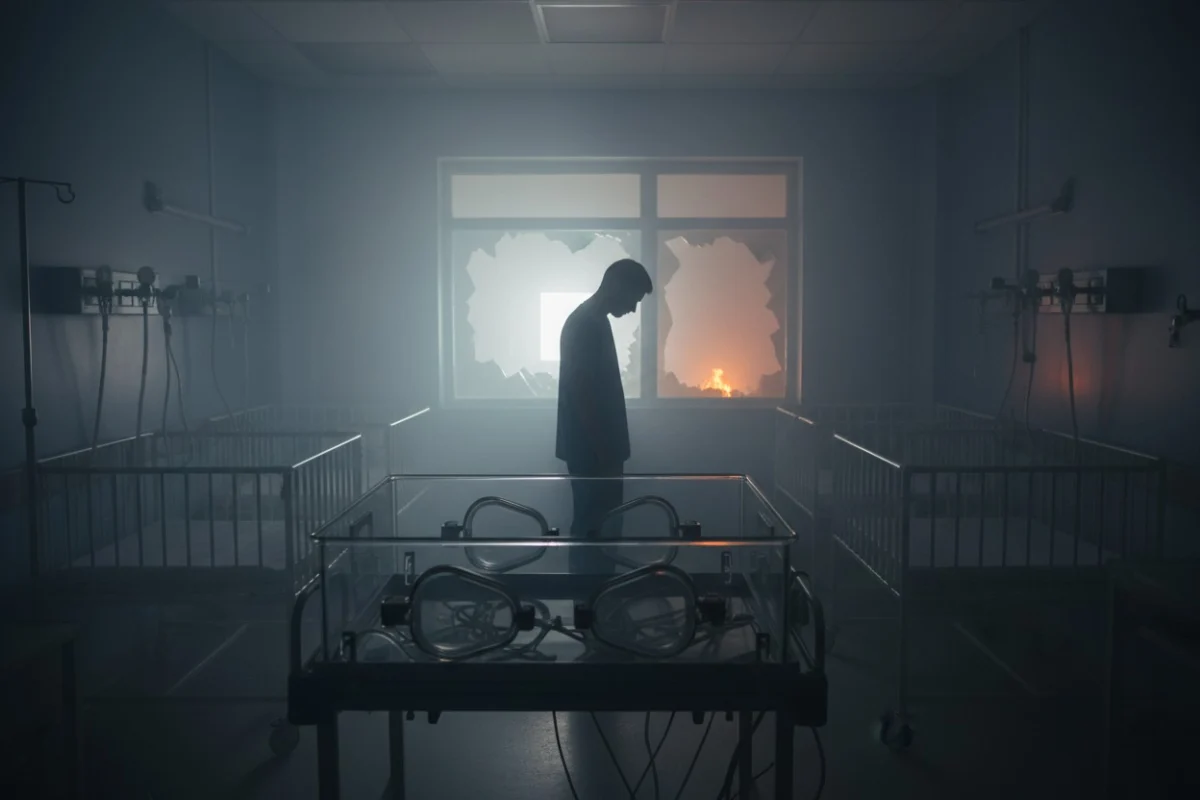
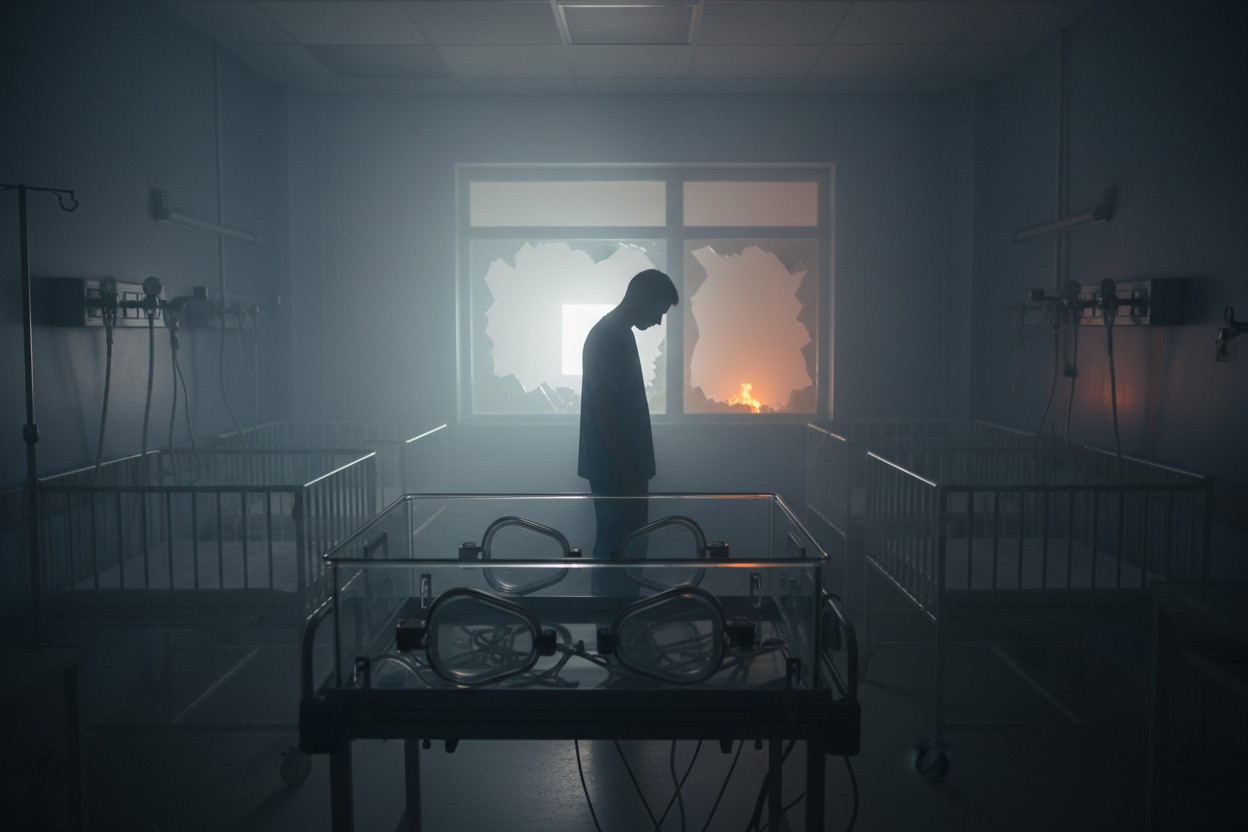
In what has been described as one of the most harrowing tragedies in the history of Pakistan’s public healthcare sector, a devastating fire tore through the nursery of the Pakistan Institute of Medical Sciences (PIMS) in Islamabad on Wednesday, August 26. The blaze, which erupted in the early hours of the morning, claimed the lives of 14 newborn babies, leaving a nation in mourning and sparking a fierce debate over the systemic neglect of fire-safety infrastructure in the country’s government facilities.
As families grapple with the unimaginable loss of their children, the government has scrambled to launch a high-level investigation into the incident, which officials have labeled an "irreparable loss." The tragedy has exposed deep-seated vulnerabilities in the capital’s building safety standards, reigniting calls for an immediate overhaul of how the state protects its most vulnerable citizens.
The Morning of the Tragedy: A Chronology of Events
The fire broke out at approximately 6:45 a.m. local time on the third floor of the Mother and Child Health ward at PIMS, the largest public hospital in Islamabad. At the time of the ignition, there were 15 infants receiving care in the nursery, an area designed to provide high-dependency support for premature and ailing newborns.
According to preliminary reports, the fire originated within the nursery unit. While the exact cause remains under investigation, initial assessments by rescue services suggest a catastrophic failure of an air-conditioning unit—specifically, a compressor explosion. However, hospital spokesperson Dr. Aneeza Jalil noted that authorities are also investigating the possibility of a short circuit that could have sparked the blaze.
The situation escalated rapidly. As smoke billowed through the neonatal ward, panic ensued. Witnesses, including those in nearby maternity rooms, reported a chaotic scene. Hivsa Walid, who was visiting a relative who had given birth just days earlier, recounted the terrifying moments of the evacuation: "We heard a shout, and then there was thick, black smoke everywhere. We didn’t know what was happening, only that we had to get out immediately."
Tragically, the speed of the fire outpaced the emergency response. Of the 15 infants present, 14 succumbed to smoke inhalation and burns. Only one baby was successfully rescued, reportedly by a doctor who managed to reach the nursery amidst the encroaching flames. Firefighters arrived shortly after to bring the blaze under control and initiate cooling operations, but for the majority of the infants, the response came too late.
Official Responses and the Quest for Accountability
The scale of the disaster prompted an immediate reaction from the highest levels of the Pakistani government. Prime Minister Shehbaz Sharif issued a statement expressing profound grief, declaring that the loss of children in such a manner was an "irreparable loss" for the entire nation.
"Those responsible must be identified, and the strictest possible action must be taken against them," the Prime Minister stated. He has ordered an immediate and transparent investigation, emphasizing that no stone should be left unturned in determining how a state-run facility—supposedly equipped with safety protocols—could become a death trap for neonates.
In compliance with the Prime Minister’s directive, a high-level fact-finding committee has been established. This committee is tasked with two primary objectives: first, to determine the technical cause of the fire; and second, to conduct a forensic audit of the hospital’s safety systems, including fire alarms, sprinkler systems, and the adequacy of staff training regarding emergency evacuation. As of the time of writing, the committee’s findings are pending, and no timeline has been provided for the release of their final report.
A Pattern of Neglect: The Broader Infrastructure Crisis
The PIMS tragedy is not an isolated incident but rather the latest in a long string of infrastructure-related disasters in Pakistan. Experts and urban planners argue that the fire is a symptom of a systemic disregard for building codes that has plagued the nation for decades.
The Capital’s "Silent" Crisis
In January, the Capital Development Authority (CDA) conducted a sweeping survey of 6,500 public and private buildings in Islamabad. The results were startling: the vast majority lacked approved fire-safety plans or the necessary safety certificates. The survey included 300 government-owned buildings, revealing that even state institutions—which are meant to set the gold standard for safety—are operating in violation of basic fire-prevention protocols.
This systemic failure is characterized by:
- Outdated Electrical Systems: Many older government buildings, including parts of PIMS, utilize aging electrical wiring that is incapable of handling the load of modern medical equipment, leading to frequent short circuits.
- Lack of Maintenance: Fire-safety equipment, such as extinguishers and smoke detectors, is often found to be expired, unmaintained, or entirely absent.
- Evacuation Barriers: Poorly designed floor plans, locked emergency exits, and a lack of clear evacuation drills create a death trap for patients with limited mobility.
A History of Tragedy
The PIMS fire follows closely on the heels of another devastating incident in June, where 14 children lost their lives when the roof of a tutoring center collapsed outside Lahore. These recurring disasters suggest that the state’s efforts to enforce building safety standards have been, at best, inconsistent. Advocacy groups have long argued that corruption and administrative negligence often allow building owners and government department heads to bypass safety inspections, a culture that has now proven lethal.
Implications for Public Healthcare
The destruction of the PIMS nursery has left a gaping hole in the hospital’s ability to serve the public. The Mother and Child Health ward was a vital resource for thousands of families from low-income backgrounds who rely on the hospital for affordable care.
The Psychological Toll
Beyond the loss of life, the incident has severely damaged public trust in government healthcare. Families across Islamabad are now questioning the safety of the institutions they are forced to rely on. "If we cannot be safe in a hospital, where can we be?" asked a grieving relative during a press conference outside the hospital. The psychological trauma for the parents involved, as well as for the hospital staff who were unable to reach the infants in time, will likely persist for years.
Policy and Reform
In the wake of the fire, hospital officials and the city administration have begun an emergency review of safety equipment and evacuation protocols across all public health facilities. However, critics argue that these measures are reactive rather than proactive.
The incident has renewed calls from local political leaders and civil society organizations for:
- Mandatory Annual Audits: Every government facility must undergo a rigorous, independent fire-safety audit annually, with the results made public.
- Infrastructure Overhaul: Immediate funding must be allocated to modernize the electrical grids of all public hospitals.
- Accountability Legislation: New laws should be enacted that hold department heads and facility managers personally liable for negligence regarding safety standards.
Conclusion: A Turning Point?
The loss of 14 newborns at PIMS is a grim indictment of a system that has repeatedly prioritized administrative convenience over human life. As the investigative committee begins its work, the nation watches with a mixture of anger and despair.
While the committee’s findings will provide the technical answers to how the compressor explosion or short circuit occurred, the true challenge lies in addressing the culture of apathy that allowed such conditions to persist. The government of Pakistan now faces a critical juncture: either it uses this tragedy to implement a comprehensive, nation-wide safety reform, or it risks allowing these "irreparable losses" to continue as an accepted, albeit tragic, part of daily life.
For the parents who went to PIMS expecting the birth of their children and left with empty cradles, the committee’s report will offer little comfort. Their only hope is that their children’s deaths will serve as the catalyst for a fundamental change in how Pakistan protects its most vulnerable citizens. Until then, the silence of the PIMS nursery remains a haunting reminder of the high cost of institutional negligence.