










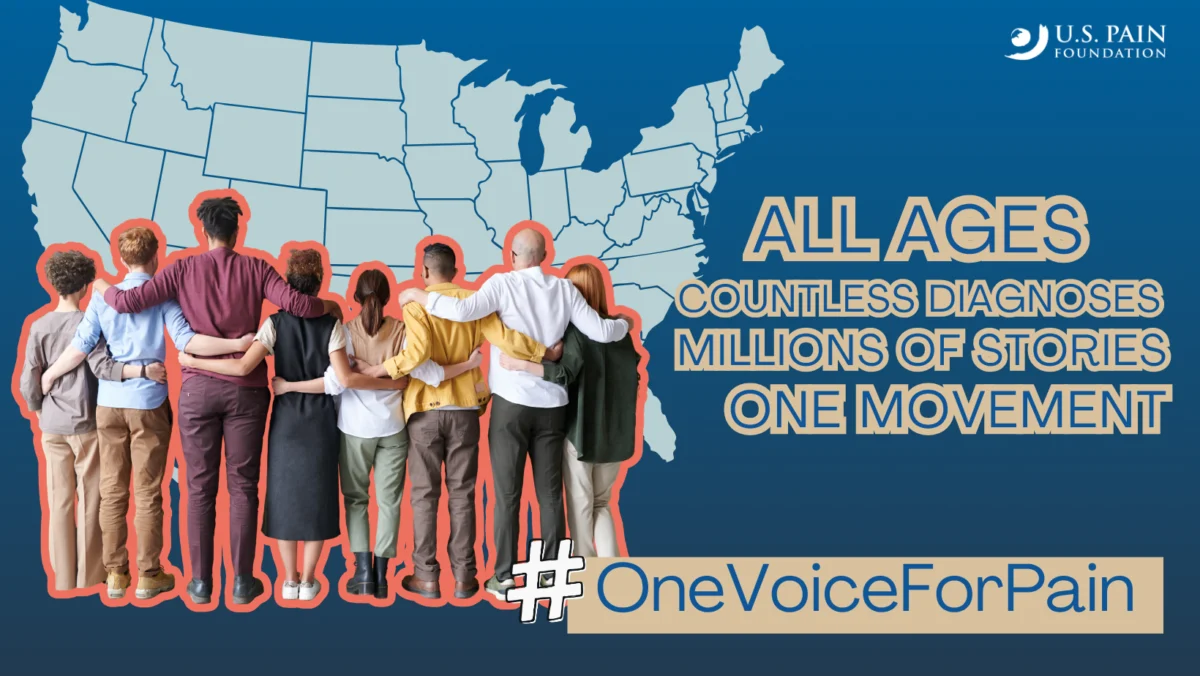
All Ages. Countless Diagnoses. Millions of Stories. One Movement.
As September arrives, the United States marks Pain Awareness Month 2026 with a transformative call to action: #OneVoiceForPain. Chronic pain, often described as an invisible epidemic, impacts more than 60 million Americans—a staggering statistic that fails to capture the profound, daily toll on patients, their families, and the caregivers who walk alongside them. Despite the sheer scale of this crisis, millions continue to suffer in silence, marginalized by a medical and social infrastructure that frequently fails to validate, understand, or effectively treat their suffering.
This year’s movement is built on a radical premise: that the fragmentation of the chronic pain community is its greatest hurdle. By bridging the gaps between generations, disparate medical diagnoses, and isolated individual experiences, the U.S. Pain Foundation is spearheading a month-long initiative to shift the national conversation from one of lonely endurance to one of collective power.
The Scale of the Crisis: Supporting Data and Realities
The numbers surrounding chronic pain are not merely statistics; they are indicators of a systemic failure to prioritize quality of life for a significant portion of the population.
The Myth of Age-Based Immunity
Chronic pain is often incorrectly framed as a condition of middle and old age. However, data indicates that the struggle begins far earlier. Research suggests that between 11% and 38% of children under the age of 18 live with chronic pain. Despite this, pediatric pain is frequently overlooked or dismissed as "growing pains," leading to delayed diagnoses and a lack of specialized care.
Conversely, for the aging population, chronic pain is often pathologized as an inevitable, untreatable byproduct of getting older. This ageist stereotype is dangerous, as it prevents older adults from accessing therapies and interventions that could drastically improve their functional independence and mental health.
The Burden of Multiple Diagnoses
Perhaps the most daunting reality for those living with chronic pain is the complexity of their medical profiles. A recent survey conducted by the U.S. Pain Foundation found that respondents reported an average of 10 distinct diagnoses per person, with some individuals managing more than 20. This "polymorbidity" creates a labyrinth of conflicting treatments, multiple specialists, and the exhausting psychological weight of seeking answers for symptoms that often overlap. Many patients remain in a state of diagnostic limbo, living with pain for which they have no name, which complicates insurance coverage, medical credibility, and social support.
Chronology of Advocacy: A Four-Week Roadmap for Change
Throughout September 2026, the movement is structured into four distinct pillars, each designed to dismantle the barriers that keep patients isolated.
Week 1: Bridging the Generational Divide
The first week focuses on the universality of pain. By highlighting the common threads that connect a child suffering from juvenile arthritis to an older adult managing nerve damage, the campaign aims to show that pain is a human experience that transcends age. The goal is to move beyond age-based stereotypes and advocate for a lifespan approach to pain management.
Week 2: Navigating the Complexity of Diagnoses
Week 2 centers on the "countless diagnoses" reality. By exploring the shared burdens of those with varying conditions, the initiative fosters solidarity. It emphasizes that while the underlying physiological mechanisms may differ—ranging from autoimmune disorders to structural spinal issues—the experience of being "dismissed" or "misunderstood" is a universal trauma that binds the community together.
Week 3: The Power of Lived Experience
"We cannot improve how pain is treated without listening to the people who live with it every day." This is the core tenet of the third week. This segment of the campaign encourages patients to tell their stories—not just as an act of catharsis, but as a political tool. Lived experience serves as the most effective instrument to challenge medical misconceptions and influence healthcare policy.
Week 4: Converging into #OneVoiceForPain
The final week is dedicated to the mechanics of systemic change. It connects the personal stories collected throughout the month to the legislative and research-based solutions required to move the needle. This is where the movement meets the machinery of government, specifically focusing on bipartisan efforts like the Advancing Research for Chronic Pain Act.
Official Responses and Legislative Implications
The 2026 Pain Awareness Month initiative is not merely a public awareness campaign; it is a strategic push for structural legislative reform. Central to this is the Advancing Research for Chronic Pain Act.
Advocates argue that current national data collection on chronic pain is insufficient. Without a precise, federal-level understanding of the prevalence and economic impact of specific pain conditions, research funding remains stagnant, and clinical trials often fail to address the most urgent needs of the patient population.
"We can’t change pain without collaboration," states the U.S. Pain Foundation. The Advancing Research for Chronic Pain Act is designed to bridge this gap by creating a more robust framework for tracking chronic pain data. This data is the precursor to better research, which in turn leads to better policy and, ultimately, more effective, individualized treatments.
The political implication is clear: when the chronic pain community speaks with one voice, they represent a massive, bipartisan constituency that policymakers can no longer ignore. By aligning the interests of healthcare professionals, researchers, and the patients themselves, the movement is positioning chronic pain as a primary public health priority rather than a secondary concern.
Implications: A New Future for Chronic Pain Care
The implications of the #OneVoiceForPain movement are far-reaching. If successful, the initiative aims to catalyze several shifts in the status quo:
- Destigmatization: By normalizing the conversation around chronic pain, the movement aims to reduce the "medical gaslighting" that many patients face when seeking treatment.
- Access to Individualized Care: Current pain management is often "one size fits all," which rarely works for complex, multi-diagnosis patients. The movement advocates for a multidisciplinary approach where the patient is a partner in their own treatment plan.
- Research Prioritization: By leveraging the collective stories of millions, the movement forces the scientific community to pivot toward patient-centered research, focusing on outcomes that actually matter to the daily lives of those in pain, such as improved mobility, reduced symptom burden, and enhanced quality of life.
- A Unified Front: The most significant implication is the shift in power dynamics. Historically, patients with different diagnoses have worked in silos. By uniting under the #OneVoiceForPain banner, the movement creates a stronger, more visible lobbying presence capable of demanding accountability from insurers, regulators, and medical boards.
Join the Movement: A Call to Action
The success of Pain Awareness Month 2026 relies on individual participation. Awareness is not a passive state; it is an active, ongoing process of education and advocacy.
Throughout September, the public is encouraged to engage with the U.S. Pain Foundation’s landing page, where resources are available to help patients share their stories, learn about the Advancing Research for Chronic Pain Act, and find support groups within their local communities.
Whether it is attending a webinar, sharing a personal journey on social media, or contacting a local representative, every action contributes to the momentum of the movement.
As the campaign enters its peak, the message remains clear: Every voice matters. When millions of stories of pain, frustration, and resilience are woven together, they become a powerful engine for progress. In a world where chronic pain is often hidden in the shadows, #OneVoiceForPain is bringing those stories into the light. This September, the goal is not just to talk about pain, but to change the very landscape in which it is treated, researched, and understood.
Together, the chronic pain community is proving that while pain may be a solitary experience, the fight for a better future is a collective, unbreakable movement.