








In a landmark development for patients suffering from rare, life-threatening blood disorders, the U.S. Food and Drug Administration (FDA) has granted approval to Johnson & Johnson’s Imaavy (nipocalimab) for the treatment of warm autoimmune hemolytic anemia (wAIHA). This regulatory milestone marks a paradigm shift in how the medical community approaches the condition, offering the first targeted therapy for a disease that has historically relied on broad-spectrum, often debilitating, immunosuppressive treatments.
For patients aged 12 and older, this approval represents more than just a new prescription option; it signifies a transition from managing symptoms with blunt tools to addressing the underlying molecular drivers of the disease. As Johnson & Johnson continues to expand the label for nipocalimab, the drug is positioning itself as a cornerstone of the company’s multi-billion-dollar immunology strategy.
The Clinical Landscape: Understanding wAIHA
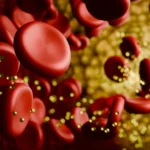
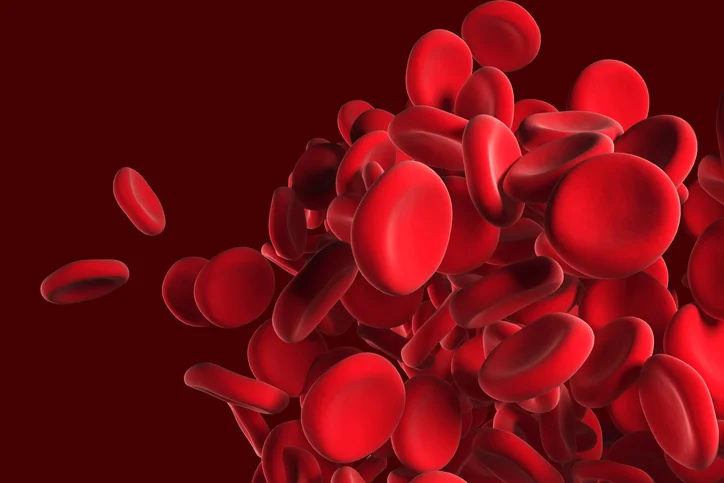
Warm autoimmune hemolytic anemia is a rare, complex, and potentially fatal condition characterized by the body’s immune system turning against its own red blood cells. In wAIHA, the body produces pathogenic autoantibodies—specifically immunoglobulin G (IgG)—that bind to red blood cells. These cells are then prematurely destroyed, primarily in the spleen.
The term "warm" refers to the fact that these autoantibodies exhibit optimal binding activity at normal body temperatures, distinguishing it from "cold" agglutinin disease, which is triggered by exposure to lower temperatures. The clinical consequences are severe: chronic anemia, profound fatigue, jaundice, and, in advanced stages, significant strain on the cardiovascular and respiratory systems as the body struggles to compensate for the rapid loss of oxygen-carrying capacity.
For decades, the standard of care has remained stagnant. Patients were typically treated with high-dose corticosteroids or non-specific immunosuppressants. While these drugs can slow the destruction of red blood cells, they come with a heavy cost: systemic immune suppression, increased risk of infection, metabolic disruptions, and long-term toxicity. Until now, there was no therapy specifically engineered to neutralize the autoantibodies responsible for the destruction.
Mechanism of Action: Targeting the Root Cause
Imaavy (nipocalimab) represents a sophisticated approach to immunology. It is a human monoclonal antibody designed to bind with high affinity to the neonatal Fc receptor (FcRn).
The FcRn plays a critical role in the lifecycle of IgG antibodies. Under normal conditions, FcRn "rescues" IgG antibodies from degradation by binding to them and recycling them back into the bloodstream, thereby extending their half-life. In patients with wAIHA, this recycling mechanism works against the patient, preserving the very autoantibodies that are destroying their red blood cells.
By blocking the FcRn, Imaavy prevents this recycling process. Consequently, pathogenic IgG antibodies are directed toward lysosomal degradation rather than circulation. This targeted reduction of IgG levels allows the body to restore its red blood cell count without the need for broad-spectrum immune suppression. This "precision medicine" approach is the hallmark of nipocalimab’s clinical value proposition.
Chronology of Development: From Momenta to Market
The journey of nipocalimab is a testament to the high-stakes world of pharmaceutical R&D and strategic acquisition.
- 2020: Johnson & Johnson makes a decisive move in the immunology space by acquiring Momenta Pharmaceuticals for $6.5 billion. The centerpiece of this acquisition was nipocalimab, a candidate already showing promise in early-stage trials for various autoantibody-driven diseases.
- 2025: After years of intensive clinical testing, the FDA grants initial approval for nipocalimab (marketed as Imaavy) for the treatment of generalized myasthenia gravis (gMG), a chronic autoimmune neuromuscular disease.
- June 2026: Following a successful Phase 2/3 trial, data regarding the drug’s efficacy in wAIHA is presented at the annual meeting of the European Hematology Association (EHA). The data highlights a rapid and durable hemoglobin response.
- Late 2026: The FDA formally approves Imaavy for the treatment of patients aged 12 and older with wAIHA, marking the first time a therapy has been specifically indicated for this rare condition.
Supporting Data: The Phase 2/3 Evidence
The regulatory submission for the wAIHA indication was anchored by a robust Phase 2/3 clinical study involving 115 participants. The primary objective was to evaluate whether nipocalimab could effectively raise hemoglobin levels and maintain that stability over time.
The results, which were closely watched by hematologists worldwide, demonstrated a statistically significant and durable hemoglobin response at the 24-week mark compared to the placebo arm. Patients treated with the drug showed a rapid onset of effect, providing relief from the anemia that characterizes the disease.
In terms of safety, the clinical profile remained consistent with previous studies. The most frequently reported adverse reactions included peripheral edema, diarrhea, and fever. While these side effects require monitoring, the clinical consensus suggests that the benefit-to-risk ratio is highly favorable, particularly for patients who have failed to respond to conventional corticosteroid therapy.
Official Perspectives and Clinical Implications
The medical community has received the approval with a sense of optimism. David Lee, Head of the Global Immunology Therapeutic Area at Johnson & Johnson, emphasized the potential for the drug to redefine standard practice.
"As the first therapy approved for wAIHA, Imaavy has the potential to redefine the management of the disease, particularly for those with uncontrolled symptoms," Lee noted in a company statement.
For clinicians, the availability of a targeted therapy means they can finally step away from the "sledgehammer" approach of systemic steroids. This is particularly vital for younger patients or those with co-morbidities who are unable to tolerate long-term steroid use. The ability to manage the disease at its source—the pathogenic antibody—offers the possibility of improved long-term outcomes and a significantly higher quality of life.
Financial Implications and Strategic Outlook
While Imaavy is still in the early stages of its commercial lifecycle—making it difficult to isolate its specific revenue contribution in current financial reports—Johnson & Johnson has high expectations for the drug.
The company has identified nipocalimab as a major growth driver, projecting peak sales potential in the region of $5 billion. This ambition is supported by a broad clinical development program. J&J is currently testing the molecule across a wide array of indications, including:
- Rheumatologic diseases: Targeting systemic lupus and other inflammatory conditions.
- Rare autoantibody disorders: Expanding the reach into orphan diseases where no effective therapies currently exist.
- Maternal-fetal medicine: Investigating the use of the drug to treat alloantibody-mediated diseases in pregnant women, a field with immense unmet clinical need.
The growth of J&J’s immunology portfolio, which also includes the recently approved oral plaque psoriasis drug Icotyde, is clear. In the first half of 2026 alone, the company’s new immunology assets generated $150 million in global revenue, a massive jump from the $9 million reported in the same period of 2025.
The Future of Immunology
The approval of Imaavy for wAIHA is a significant milestone that highlights the evolving nature of drug development. By leveraging the FcRn mechanism, J&J has created a platform technology that can be applied to a variety of diseases that were previously thought to be "untreatable" or manageable only with extreme clinical caution.
As the drug moves into wider clinical use, the real-world data will be essential in confirming its long-term safety and efficacy. However, for the wAIHA patient community, the era of relying on antiquated, non-specific treatments is coming to an end. With nipocalimab, patients finally have a weapon that matches the precision of the disease it aims to combat.
This development also serves as a strategic victory for Johnson & Johnson. The $6.5 billion acquisition of Momenta is rapidly proving to be one of the most successful bets in the history of the company’s pharmaceutical division. By maintaining a pipeline of diverse, high-impact autoimmune drugs, J&J is not only securing its financial future but is also fundamentally changing the lives of patients suffering from some of the most difficult-to-treat conditions in modern medicine.