






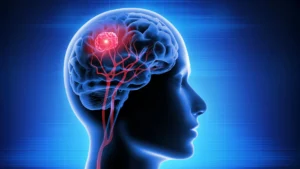


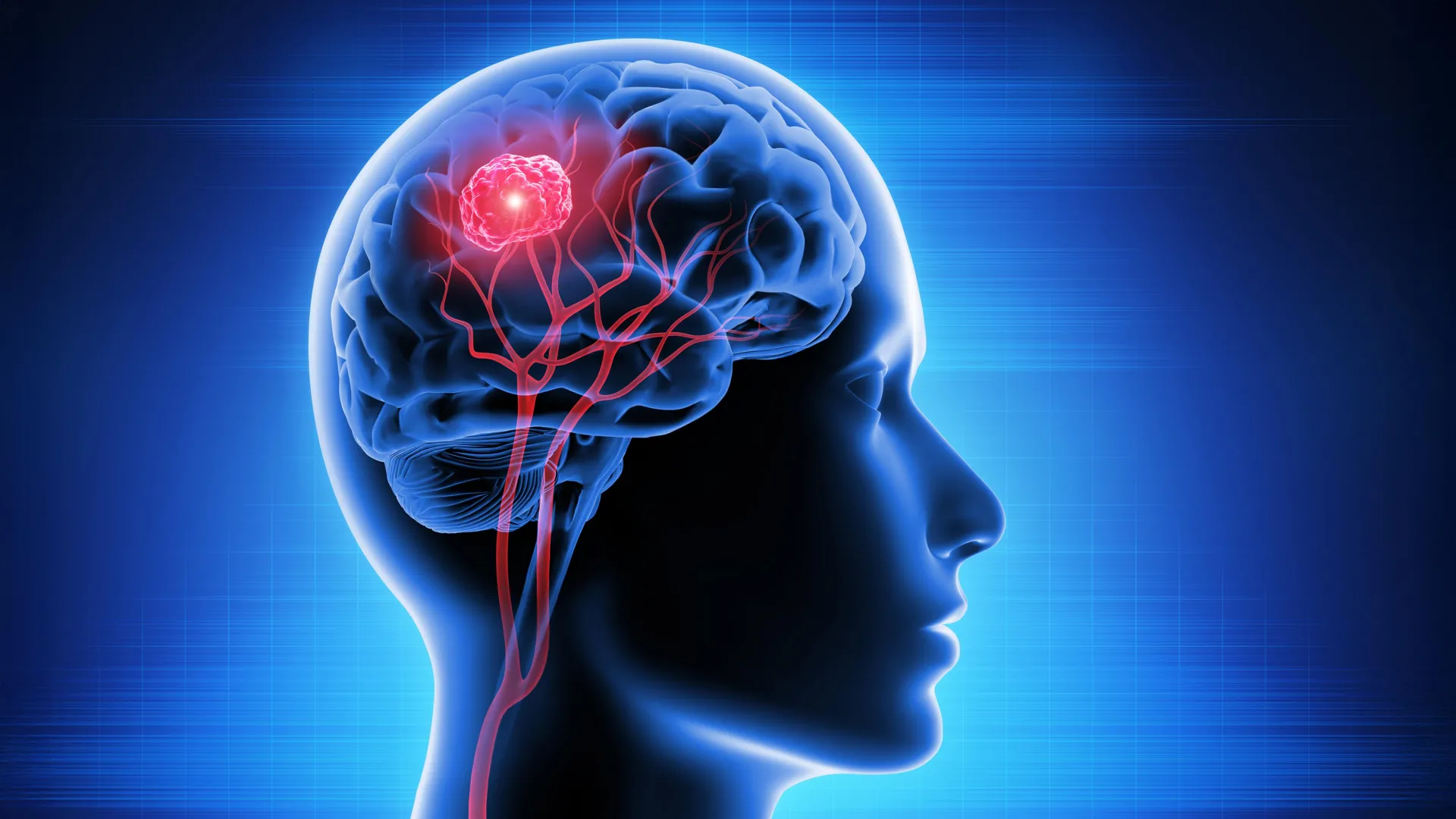
Glioblastoma multiforme (GBM) remains one of the most formidable adversaries in modern medicine. Characterized by its rapid growth, invasive nature, and a nearly impenetrable defense system, it has long defied conventional treatment protocols. However, a groundbreaking study recently published in the journal Oncoscience offers a glimmer of hope. Researchers have identified a modified form of vitamin B12, known as nitrosylcobalamin (NO-Cbl), which appears capable of bypassing the brain’s most robust security system—the blood-brain barrier—to deliver targeted, anti-tumor therapy.
The paper, titled "Selective blood-brain barrier penetration and tumor targeting of nitrosylcobalamin in glioblastoma: Pharmacokinetics, tissue distribution, and synergistic activity with trail and temozolomide," marks a significant milestone in neuro-oncology. Led by Joseph A. Bauer of Nitric Oxide Services, LLC, and the Cleveland Clinic Foundation Taussig Cancer Center, the study suggests that this novel compound could potentially overcome the treatment resistance that has plagued glioblastoma patients for decades.
The Glioblastoma Crisis: Why Current Treatments Fail
To understand the magnitude of this discovery, one must first appreciate the biological walls that surround a glioblastoma tumor. GBM is the most lethal primary malignant brain tumor in adults. Despite a standard-of-care regimen that includes surgical resection, followed by aggressive radiation and chemotherapy (most notably with the alkylating agent temozolomide), the prognosis remains dismal. The median survival time for patients diagnosed with GBM is typically less than 15 months.
The primary obstacle to effective treatment is the blood-brain barrier (BBB). The BBB is a highly selective semipermeable border that separates the circulating blood from the brain and extracellular fluid in the central nervous system. While this barrier is vital for protecting the brain from pathogens and toxins, it also acts as an unintended shield for tumor cells. Most chemotherapeutic agents are unable to cross this tightly regulated interface in concentrations sufficient to kill cancer cells without causing systemic toxicity.
Furthermore, glioblastoma cells are masters of survival. They possess complex signaling pathways—such as the NF-κB survival signaling pathway—that allow them to withstand radiation and chemotherapy. When these cells develop resistance, the tumor often recurs, and at that stage, treatment options are virtually non-existent.
The Science of NO-Cbl: A Trojan Horse Approach
The research team, spearheaded by Joseph A. Bauer, investigated nitrosylcobalamin (NO-Cbl) as a potential solution to these hurdles. NO-Cbl is a vitamin B12 derivative designed to act as a "Trojan Horse." By utilizing the body’s natural uptake mechanisms for vitamin B12, the researchers hypothesized that they could smuggle nitric oxide—a potent anti-cancer molecule—directly into the tumor site.
Nitric oxide (NO) is known for its ability to induce apoptosis (programmed cell death) in cancer cells. However, delivering NO directly is difficult due to its short half-life and the risk of causing systemic hypotension. By binding NO to cobalamin (vitamin B12), the team created a stable carrier that could travel through the bloodstream and reach its target with surgical precision.
Chronology of Discovery and Experimental Design
The study was structured as a multi-phase translational investigation, moving from in vitro cell lines to in vivo animal models.
- Phase I: Initial Screening: The researchers began by testing NO-Cbl against the NCI-60 human tumor cell line panel. This allowed them to gauge the compound’s effectiveness across various cancer types. The data revealed that while NO-Cbl demonstrated broad anti-tumor activity, cells originating from the central nervous system were notably sensitive to the treatment.
- Phase II: Pharmacokinetic Modeling: Using rat models specifically engineered with glioblastoma tumors, the team monitored the journey of NO-Cbl through the systemic circulation. This phase was critical for confirming whether the molecule could penetrate the BBB.
- Phase III: Synergistic Testing: Finally, the researchers combined NO-Cbl with existing treatments, including TRAIL (TNF-related apoptosis-inducing ligand) and temozolomide, to see if the novel compound could "sensitize" the cancer cells to traditional therapies.
Supporting Data: Evidence of Selective Accumulation
The most compelling findings from the study center on the unique way NO-Cbl interacts with brain tumor tissue. In animal models, the compound did not merely pass through the BBB; it showed a distinct preference for accumulating within the tumor microenvironment.
Researchers tracked the levels of nitrate and cobalamin-related metabolites in both the tumor and healthy surrounding tissue. The results, visualized in Figures 2 and 3 of the study, showed that nitrate levels remained elevated in the tumor tissue for at least 24 hours post-administration. In contrast, nitrate levels in healthy brain tissue and other organs dissipated rapidly.
This sustained elevation suggests two critical factors:
- Targeting Efficiency: The molecule is being actively retained within the tumor, likely due to the high metabolic demands of cancer cells, which require an abundance of vitamins for rapid division.
- The Microenvironment Advantage: By remaining in the tumor for an extended period, NO-Cbl can continuously release nitric oxide, creating a sustained "toxic" environment for the cancer cells while sparing healthy neural tissue.
Synergistic Effects: Boosting Existing Therapies
Perhaps the most clinically relevant finding is that NO-Cbl does not necessarily need to work alone. In laboratory studies using U87 and D54 glioblastoma cell lines, the combination of NO-Cbl with temozolomide or TRAIL produced a synergistic effect. The suppression of tumor cell growth was significantly greater than the sum of the individual treatments.
This synergy is explained by the biological mechanism of NO-Cbl. Previous research by the team and others indicates that NO-Cbl promotes apoptosis by activating caspase-8, a protein that acts as a "death switch" in cells. Furthermore, it suppresses the NF-κB signaling pathway—the very mechanism glioblastoma uses to avoid cell death—and enhances the signaling of TRAIL receptors.
By weakening the tumor’s defenses through S-nitrosylation, NO-Cbl effectively "softens the target," making the cancer cells vulnerable to the damage inflicted by traditional chemotherapy drugs like temozolomide.
Implications for Future Neuro-Oncology
The findings of this pilot study carry profound implications for the future of brain cancer treatment. If these results can be replicated in human clinical trials, they suggest that the "blood-brain barrier problem" might finally have a viable workaround.
Overcoming Treatment Resistance
One of the most vexing issues in oncology is the development of multi-drug resistance. Glioblastomas are notoriously heterogeneous, meaning they contain various sub-populations of cells that react differently to treatment. By simultaneously targeting multiple survival pathways—such as inhibiting NF-κB and activating the extrinsic apoptotic pathway—NO-Cbl could potentially prevent the tumor from developing the adaptive resistance that leads to recurrence.
A New Class of Therapeutics
The use of cobalamin as a delivery vehicle opens the door to a new class of "nutrient-conjugated" drugs. If the B12-targeting mechanism is as selective as the data suggests, it could lead to a broader research program focusing on similar delivery systems for other aggressive solid tumors.
Official Stance and Cautious Optimism
While the scientific community has reacted with interest to the Oncoscience publication, the authors maintain a measured tone. Joseph A. Bauer and his team emphasize that this is a "pilot translational study." The jump from rodent models to human patients is significant, and there are several hurdles that must be cleared before clinical application can be considered.
"This pilot study demonstrates that NO-Cbl crosses the BBB, accumulates selectively in brain tumor tissue, and synergizes with established and experimental glioblastoma therapies," the authors noted. However, they are quick to outline the necessary next steps:
- Orthotopic Validation: Further studies must confirm these results in orthotopic models (where human tumors are implanted into the brains of animal hosts) to ensure the tumor-microenvironment interactions are perfectly simulated.
- Dosing Optimization: Determining the therapeutic window—the balance between maximum tumor killing and minimal systemic side effects—is a rigorous process that will require extensive further research.
- Longitudinal Tracking: Scientists need to track nitric oxide activity over longer durations to ensure that the sustained elevation of metabolites does not have unforeseen long-term effects on healthy neural pathways.
Conclusion: A Step Toward a More Hopeful Future
Glioblastoma multiforme remains a formidable challenge, but the strategy proposed by Bauer and the Cleveland Clinic team offers a promising paradigm shift. By moving away from brute-force chemotherapy and toward targeted, molecule-specific delivery, the researchers are effectively playing the tumor at its own game.
The ability to bypass the blood-brain barrier is the "holy grail" of neuro-oncology, and the use of vitamin B12 as a vehicle is an elegant, sophisticated solution to a complex biological problem. While the path from the laboratory bench to the patient bedside is long, the evidence presented in Oncoscience provides a solid foundation for a new generation of treatments. For patients and families currently navigating the uncertainty of a GBM diagnosis, this study represents more than just data; it represents the potential for a future where glioblastoma is no longer an insurmountable death sentence, but a condition that can be managed and, eventually, conquered.