Pancreatic ductal adenocarcinoma (PDAC) remains one of the most formidable challenges in modern oncology. Characterized by late diagnoses, aggressive local invasion, and an uncanny ability to resist traditional chemotherapies, it carries a prognosis that has remained stagnant for decades. However, a groundbreaking study published in the journal Oncotarget offers a flicker of hope.
Led by researchers at the Florida A&M University (FAMU) College of Pharmacy and Pharmaceutical Sciences, the study introduces a novel class of experimental compounds—polyisoprenylated cysteinyl amide inhibitors (PCAIs)—that demonstrate a potent, multi-faceted approach to dismantling pancreatic cancer cells. By bypassing the limitations of current, mutation-specific drugs, this research suggests a potential paradigm shift in how we approach KRAS-driven malignancies.
The KRAS Conundrum: Why Pancreatic Cancer Persists
To understand the significance of this discovery, one must first understand the enemy. The KRAS gene is a molecular "on-off" switch that regulates cell growth. In healthy cells, KRAS proteins cycle between an active state (bound to GTP) and an inactive state (bound to GDP). However, in pancreatic cancer, KRAS often suffers from oncogenic mutations that lock the protein in a permanent "on" position, driving unchecked cellular proliferation and survival.
For years, KRAS was considered "undruggable." While recent breakthroughs have led to the development of inhibitors targeting specific mutations—most notably the KRAS G12C mutation—these treatments are narrow in scope. Because PDAC is driven by a diverse array of KRAS mutations (such as G12D or G12V), the vast majority of patients remain ineligible for these targeted therapies. The medical community has been in desperate need of a "universal" approach—a therapeutic strategy capable of hitting the target regardless of the specific mutation driving the tumor.
The Genesis of the Research: Introducing PCAIs
The research team, spearheaded by first author Kweku Ofosu-Asante and corresponding author Nazarius S. Lamango of the Florida A&M University Institute of Public Health, set out to address this gap. Their work centers on PCAIs, a class of compounds synthesized specifically to interfere with abnormal oncogenic G-protein signaling.
Unlike existing drugs that attempt to lock the KRAS protein into a specific conformation, PCAIs were designed to disrupt the downstream biological machinery that KRAS exploits to survive. The study, titled "The anticancer effects of PCAIs in pancreatic cancer cells involve MAPK and PI3K/AKT pathways hyperactivation," provides a detailed map of how these compounds induce cellular collapse.
Chronology of Discovery and Experimental Design
- Compound Synthesis: The team developed a library of PCAIs designed to target the isoprenylation process, which is essential for anchoring G-proteins to cell membranes where they can transmit signals.
- Cellular Screening: Researchers applied these compounds to human pancreatic cancer cell lines known to harbor various KRAS mutations.
- Phenotypic Analysis: The team observed the cells under high-resolution microscopy to monitor changes in morphology, migration, and survival.
- Molecular Signaling Studies: Using Western blotting and transcriptomic analysis, the researchers identified exactly how the compounds manipulated the MAPK and PI3K/AKT signaling pathways.
- 3D Spheroid Validation: To move beyond flat cell cultures, the team utilized 3D tumor spheroids—structures that mimic the architecture and microenvironment of human tumors—to confirm the efficacy of the leading compound, NSL-YHJ-2-27.
Supporting Data: The Mechanism of Action
The most compelling data emerged from the analysis of the leading compound, NSL-YHJ-2-27. In laboratory settings, the results were nothing short of striking.
Stopping Metastasis in Its Tracks
One of the primary reasons PDAC is so lethal is its propensity to metastasize early. The study found that at a concentration of just 1 µM, NSL-YHJ-2-27 inhibited cancer cell migration by more than 90%. By disrupting the actin cytoskeleton—the "scaffolding" that allows cells to change shape and move—the compound effectively paralyzed the cancer cells. Researchers observed the cells transitioning from an elongated, aggressive morphology to a rounded, non-motile state, effectively neutralizing their ability to invade surrounding tissues.
The Paradox of Hyperactivation
Perhaps the most surprising finding in the study involves the MAPK and PI3K/AKT pathways. In most cancer research, the goal is to inhibit these pathways, as they are known to promote tumor growth. However, the FAMU team discovered that PCAIs actually caused these pathways to become hyperactivated.
While this sounds counterintuitive, the researchers posit that there is a "Goldilocks zone" for signaling. When these pathways are driven into extreme, excessive activation, the cellular machinery becomes overwhelmed, leading to catastrophic metabolic instability. This hyperactivation triggers a cascade of stress responses, including the production of reactive oxygen species (ROS) and the activation of caspase enzymes—the "executioners" of the cell.
Inducing Programmed Cell Death (Apoptosis)
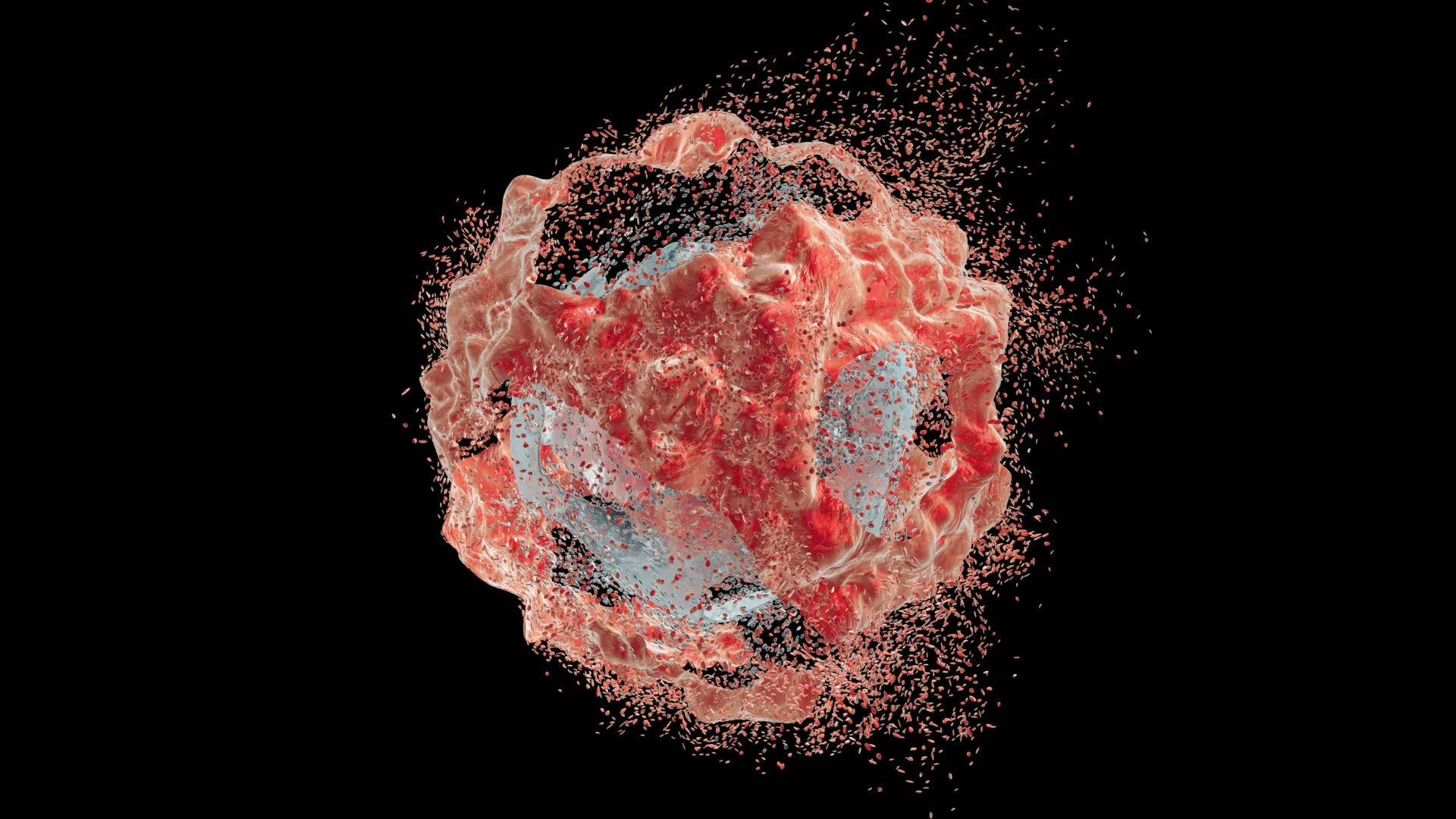
The final result of this hyperactivation was widespread apoptosis. Transcriptomic analyses confirmed that genes associated with tumor progression were downregulated, while pro-apoptotic genes—most notably BAX—were significantly upregulated. The cell, no longer able to maintain homeostasis under the weight of this forced signaling, essentially committed suicide.
Validating Results in Realistic Models
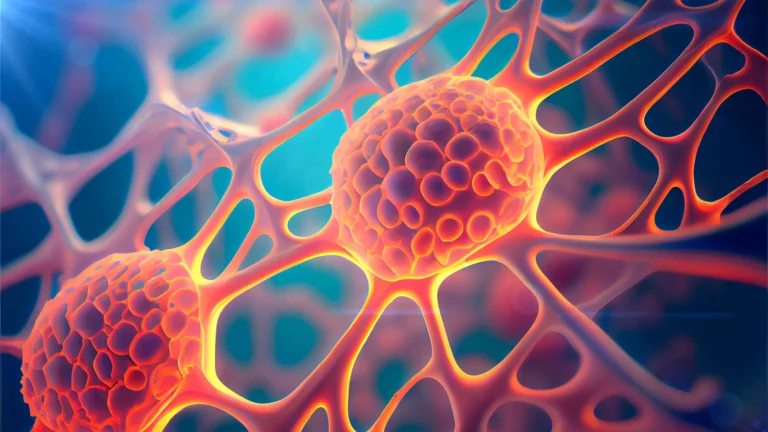
A recurring criticism of cancer research is the "Petri dish effect," where compounds show promise in simple, 2D cell cultures but fail in the complex environment of a human body. To address this, the researchers utilized 3D tumor spheroids.
In these models, the tumor cells are clustered together, mimicking the density and internal pressure of a real-world mass. When treated with NSL-YHJ-2-27, the spheroids began to disintegrate. The drug successfully penetrated the outer layers, disrupted the cell-to-cell adhesion, and induced apoptosis deep within the core of the spheroid. This suggests that the chemical mechanism of PCAIs is robust enough to overcome the physical defenses that tumors typically use to shield themselves from chemotherapy.
Implications for Future Cancer Care
The implications of the FAMU study are broad, extending well beyond the laboratory. By targeting the fundamental, shared weaknesses of KRAS-mutated cells, the researchers have proposed a strategy that may be mutation-agnostic.
Addressing the Limitation of Current Therapies
"One class of such promising agents is the PCAIs that were designed to target oncogenic G-proteins in a manner that is different from the KRASG12C-targeting drugs," the researchers noted in their report. This distinction is crucial. Current drugs are "keys" that only fit one "lock" (the G12C mutation). If a patient’s tumor has a G12D or G12V mutation, the key fails. PCAIs, by contrast, act more like a sledgehammer, targeting the downstream effects that all these mutations rely on.
The Path to Clinical Trials
While the current findings are primarily pre-clinical, they provide a strong foundation for future drug development. The next steps for the FAMU team will likely involve:
- Pharmacokinetic Studies: Determining how the body processes the compounds and identifying potential toxicity levels.
- In Vivo Models: Testing the compounds in mouse models to ensure the efficacy seen in 3D spheroids holds up in a living circulatory system.
- Combination Therapies: Investigating whether PCAIs can be paired with existing chemotherapies to create a "double-hit" strategy, potentially allowing for lower doses and fewer side effects.
Conclusion
The study published in Oncotarget represents a significant advancement in the fight against pancreatic cancer. By rethinking how we approach the KRAS mutation, the researchers at Florida A&M University have identified a biological "Achilles’ heel" that could eventually lead to more effective, inclusive treatment options for patients who currently have few alternatives.
While the journey from a laboratory compound to a bedside treatment is long and fraught with challenges, the work of Kweku Ofosu-Asante, Nazarius S. Lamango, and their colleagues serves as a vital reminder that innovation in cancer research often comes from challenging established paradigms. By embracing the complexity of cancer signaling, they have opened a new door in the effort to turn one of the most lethal diseases into a manageable—and perhaps one day, curable—condition.