






Aging is often viewed as a multifaceted, inevitable decline—a slow erosion of vitality that affects different people at different speeds. While the outward signs of aging, such as graying hair or thinning skin, are visible to the naked eye, the internal mechanisms driving this decline have long remained a complex, biological puzzle.
New research from Stanford Medicine, published in the journal Science, has identified a pivotal failure in the immune system that serves as a fundamental driver of the aging process. By studying mice and human cells, scientists have discovered that the body’s inability to clear out "senescent" (dysfunctional) immune cells creates a cycle of chronic, body-wide inflammation that accelerates the aging of organs. Most importantly, the research identifies a specific receptor that, when blocked, can potentially reverse these age-related declines, offering a promising new frontier in therapeutic medicine.
The Body’s Garbage Collectors: Understanding Macrophages and Neutrophils
To understand this breakthrough, one must first look at the body’s internal maintenance crew. The immune system relies on neutrophils, the most abundant white blood cells, to act as the "first responders" to infection. Produced in the bone marrow, these cells patrol the bloodstream for pathogens. However, neutrophils have a fleeting existence, typically surviving only 12 to 24 hours.
When a neutrophil reaches the end of its short lifespan, it is meant to be recycled. Roughly 90% of these cells are cleared from the system by tissue-resident macrophages—specialized, long-lived immune cells that reside permanently within our organs. These macrophages act as the body’s "garbage collectors," tasked with engulfing and digesting dead or dying cells.
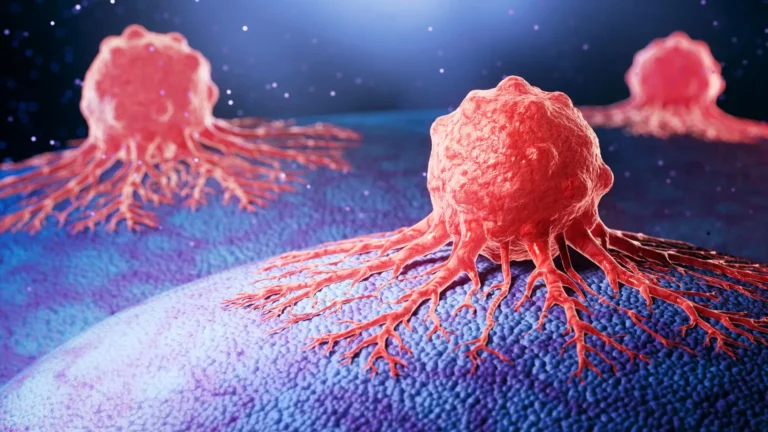
As we age, however, this essential disposal process begins to falter. A significant portion of neutrophils never encounter a pathogen; instead, they enter a state of senescence. These senescent neutrophils are not merely dead weight—they are actively harmful. They release toxic chemicals that cause collateral damage to healthy surrounding tissues, fueling the systemic, low-grade inflammation that characterizes the aging body.
"Senescent neutrophils are killing our tissues," explains Dr. Katrin Andreasson, the senior author of the study and the Edward F. and Irene Thiel Pimley Professor in Neurology and Neurological Sciences at Stanford Medicine. "Clearance of these cells is essential for preventing chronic inflammation."
The Chronology of Decline: How Inflammation Hijacks the System
The research maps a clear, detrimental feedback loop that develops as an organism matures. This process centers on prostaglandins—hormones produced by immune cells that regulate inflammation and pain. One specific type, known as PGE2, interacts with a receptor on the surface of macrophages called EP2.
In a youthful state, this system functions efficiently. However, as the body ages, two distinct changes occur:
- The Rise of PGE2: Levels of the PGE2 hormone rise in response to cumulative cellular stress, injury, and the toxic byproducts of aging.
- The Overexpression of EP2: Tissue-resident macrophages develop higher concentrations of the EP2 receptor on their surfaces.
When PGE2 binds to the EP2 receptor, it sends a signal that inhibits the macrophage’s ability to "eat" or clear away senescent neutrophils. This creates a vicious cycle: as macrophages lose their ability to clean up, senescent neutrophils accumulate. This accumulation leads to further inflammation, which in turn triggers more PGE2 production, further stimulating the EP2 receptors.
The result is a metabolic and functional collapse. "Once that starts, there’s a steady decline in a macrophage’s performance," says Andreasson. "We’ve been trying to figure out why we age. Now we know at least one big reason for it."
Supporting Data: The EP2 Intervention
To test the role of the EP2 receptor, the Stanford team utilized a sophisticated genetic approach. They engineered mice in which the gene for the EP2 receptor could be selectively deleted, specifically within their tissue-resident macrophages.
The researchers compared three groups:
- Young Normal Mice (6–8 months): Representative of late adolescence or early adulthood.
- Old Normal Mice (23–25 months): Representative of humans in their 60s or 70s.
- Old Engineered Mice: Mice whose EP2 receptors were disabled in adulthood.
The results were staggering. In normal older mice, the researchers identified 71 blood proteins that had significantly shifted in concentration compared to younger mice. However, in the engineered mice—those lacking the EP2 receptor—59 of those 71 proteins remained at youthful levels.
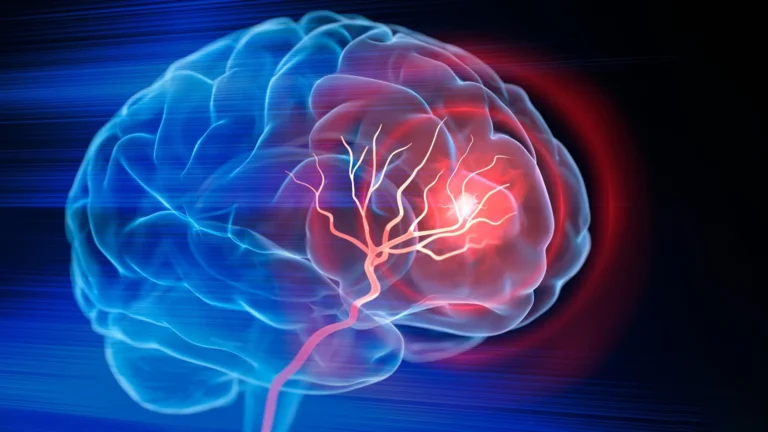
The health improvements were not limited to blood chemistry. The engineered mice remained leaner, more physically fit, and showed significantly reduced visceral fat accumulation. When subjected to behavioral and physiological testing, the old mice with the EP2 deletion performed at the level of their younger counterparts. This included superior speed, better balance, and stronger forelimb grip strength. Most remarkably, their cognitive performance—measured by their ability to navigate mazes and remember objects—remained largely intact.
Official Responses and Scientific Implications
The study, led by Dr. Jessy Tan, an instructor in neurology at Stanford, provides a potential "master key" for addressing age-related deterioration. By targeting the EP2 receptor rather than the entire prostaglandin system, researchers hope to avoid the side effects associated with general anti-inflammatory medications like aspirin.
While aspirin and other nonsteroidal anti-inflammatory drugs (NSAIDs) can reduce PGE2 production, they also disrupt other essential prostaglandins that are necessary for normal bodily functions. The Stanford team’s findings suggest a more surgical approach: blocking the specific receptor (EP2) that mediates the "garbage collection" failure, rather than shutting down the hormone production entirely.
"We’ve shown that when tissue-resident macrophages don’t have EP2 on their surfaces anymore or when that receptor is plugged up by a drug, this decline doesn’t happen," Andreasson notes.
In a follow-up experiment, the team administered an experimental drug to 22-month-old normal mice that specifically inhibited the EP2 receptor for two months. The results mirrored the genetic findings: the drug successfully reduced the accumulation of senescent neutrophils and restored the macrophages’ ability to clear cellular waste.
Implications for Human Longevity
Perhaps the most significant aspect of the research is that these mechanisms are not unique to rodents. When the team analyzed databases containing information on human liver cells, they found identical patterns: older human livers displayed increased neutrophil accumulation, higher levels of neutrophil senescence, and elevated EP2 activity. These markers were even more pronounced in diseased livers, suggesting that this mechanism is a universal component of the human aging process.
The implications for medicine are profound. If a drug can be developed to safely block the EP2 receptor in humans, it could potentially delay the onset of age-related conditions such as cognitive decline, heart failure, and chronic frailty.
"We need to develop a safe drug that blocks EP2 without interfering with earlier processes," Andreasson emphasizes.
By focusing on the restoration of the immune system’s natural cleanup crew, scientists are shifting the paradigm from treating individual diseases of aging—such as Alzheimer’s or heart disease—to addressing the underlying, systemic failure that makes these diseases possible in the first place. While the road to a clinical treatment remains long, the identification of the EP2 receptor as a "fountain of youth" switch provides a clear, actionable target that could eventually extend the human healthspan, allowing people to remain vigorous and cognitively sharp well into their later years.
This study was supported by the National Institutes of Health, the American Heart Association, the Phil and Penny Knight Initiative for Brain Resilience, the Arc Institute, and the Chan-Zuckerberg Biohub. Contributing authors include researchers from Stanford University and the University of Münster in Germany.