By Gwendolyn Wu | BioPharma Dive
Published September 3, 2026
In a significant move that underscores the high-stakes race for next-generation obesity therapeutics, AI-integrated drug discovery startup Superluminal Medicines has successfully closed an oversubscribed $60 million Series B financing round. This latest injection of capital brings the company’s total venture funding to $213 million, providing a robust runway to push its lead clinical candidate—a novel, orally bioavailable drug targeting rare genetic forms of obesity—into human trials by the end of this year.
Superluminal’s approach marks a sophisticated pivot in the crowded GPCR (G protein-coupled receptor) space. By leveraging artificial intelligence to design more selective molecules, the company hopes to improve upon the safety and delivery profiles of current standards of care, specifically challenging the dominance of Rhythm Pharmaceuticals’ Imcivree (setmelanotide).
The Core Challenge: Refined Targeting of MC4R
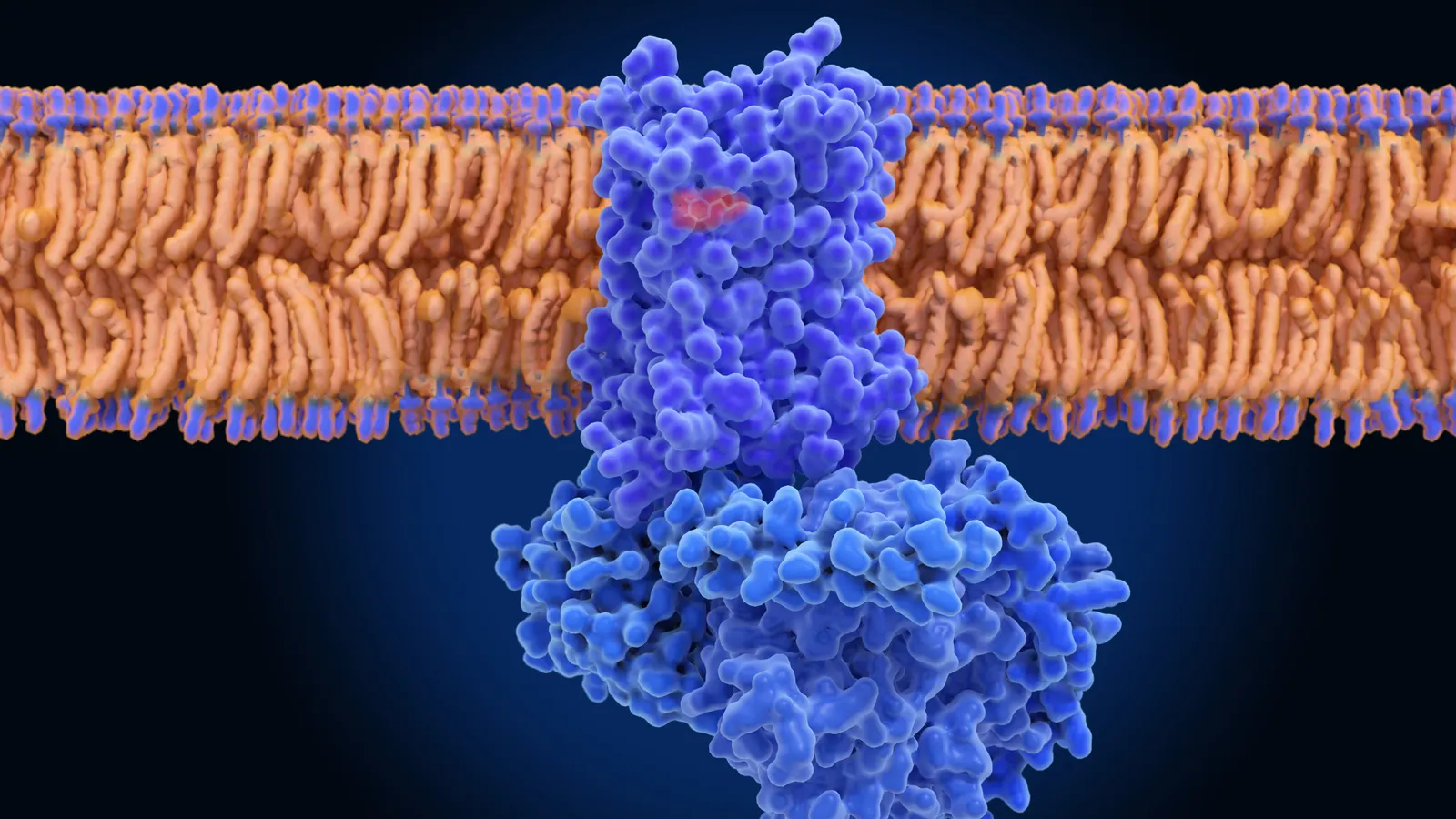
At the center of Superluminal’s mission is the Melanocortin-4 receptor (MC4R), a critical protein receptor located in the brain that acts as a master regulator of appetite and energy expenditure. Dysfunction in the MC4R pathway is a well-documented driver of severe, early-onset obesity in patients with rare genetic conditions.
While current therapies like Imcivree have established the viability of targeting MC4R, they are not without limitations. Most existing treatments are administered via daily injections, a significant burden for patients requiring lifelong therapy for chronic conditions. Furthermore, achieving the correct balance of efficacy and tolerability remains the "holy grail" of obesity research.
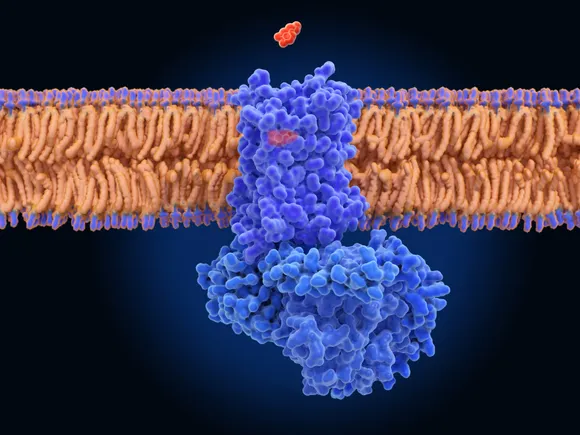
Superluminal’s lead program is designed to be a daily oral pill, which would theoretically improve patient adherence. Perhaps more importantly, CEO Cony D’Cruz emphasizes that the molecule is engineered to be "functionally selective." By triggering only specific signaling pathways associated with weight loss while avoiding those linked to common side effects, the company believes it can achieve a superior safety profile compared to existing options.
Chronology of Development and Financial Milestones
The progression of Superluminal Medicines from a stealth-mode startup to a clinical-stage player has been characterized by rapid strategic execution and deep-pocketed investor support.
- Early Inception: Focused on the application of generative AI to decode the structural biology of GPCRs, a notoriously difficult class of proteins to target with small molecules.
- Initial Funding Rounds: Following initial seed and Series A rounds, the company gained traction by demonstrating that its AI platform could identify drug candidates faster than traditional high-throughput screening methods.
- The Lilly Partnership: A critical inflection point occurred when the company secured a strategic partnership with Eli Lilly. This collaboration was designed to leverage Superluminal’s platform for the discovery of small molecules in the high-demand cardiometabolic and obesity sectors.
- September 2026: The announcement of the $60 million Series B. Led by BVF Partners, the round included a sophisticated syndicate of investors: RA Capital Management, Nvidia—highlighting the compute-heavy nature of their drug discovery platform—and Eli Lilly. This brings the total capital raised to over $200 million in just a few years.
Competitive Landscape and Supporting Data
The market for obesity treatments is currently dominated by the success of GLP-1 receptor agonists. However, the rare genetic obesity market—characterized by diseases such as Bardet-Biedl syndrome, Prader-Willi syndrome, and hypothalamic obesity—represents a distinct, high-need population that does not always respond adequately to standard GLP-1 therapy.
The Hurdle of Rare Disease Trials
Superluminal is entering a space that has seen both triumph and heartbreak.
- The Benchmark: Rhythm Pharmaceuticals’ Imcivree has set the bar for MC4R activation.
- Recent Setbacks: The road is paved with failed attempts. Acadia Pharmaceuticals saw its program for Prader-Willi falter after missing key primary endpoints. Similarly, Aardvark Therapeutics has faced significant regulatory headwinds, with its own experimental treatment currently on hold.
- Current Competition: Neurocrine Biosciences recently acquired the rights to Vykat XR (sold by Soleno Therapeutics) for the treatment of hyperphagia in Prader-Willi. This sets a direct, formidable competitor for any new entrant aiming to capture the Prader-Willi market.
Superluminal’s strategy is to avoid a direct head-on collision initially. By prioritizing Bardet-Biedl syndrome and hypothalamic obesity, they hope to establish a clinical footprint before potentially expanding into the broader, more crowded, and highly competitive general obesity market, where they would be positioned as an adjunct to existing GLP-1 therapies.

Official Perspectives: The Philosophy of "Efficacy Plus"
CEO Cony D’Cruz has been clear in his communication to stakeholders: in the modern obesity market, potency is no longer the only metric for success.
"More broadly, these experiences reinforce our view that efficacy alone is not enough," D’Cruz stated in a recent briefing. "To meaningfully improve treatment for patients with rare obesity, we believe a therapy ultimately needs to combine meaningful effects on weight and hyperphagia with a safety and tolerability profile that supports chronic use."
This sentiment is echoed by the investment community. Nandita Shangari, a managing director at RA Capital, noted that the success of this funding round reflects a growing confidence not just in the company’s AI-driven pipeline, but in the practical, clinical feasibility of their designs. "Bringing together leading healthcare investors alongside existing strategic and technology partners reflects growing confidence in both the company’s platform and the team’s ability to translate that technology into meaningful clinical programs," Shangari said.
Implications for the Future of Drug Discovery
The success of Superluminal Medicines carries broader implications for the pharmaceutical industry.
1. The AI/Biology Convergence
The inclusion of Nvidia in the investor syndicate is emblematic of the "TechBio" shift. It suggests that the competitive advantage in the future of medicine will not just be biological insight, but the ability to simulate and predict protein-ligand interactions with unprecedented speed. By utilizing AI, Superluminal has reportedly shaved months, if not years, off the lead optimization phase.

2. The Shift Toward Oral Therapeutics
The massive success of injectables like Wegovy and Zepbound has revolutionized obesity care, but the industry is clearly looking toward the "next frontier": oral small molecules. If Superluminal can prove that an oral MC4R agonist can be as safe and effective as an injectable, it could potentially unlock a much larger patient population that is currently hesitant to begin injectable regimens.
3. De-risking via Strategic Partnerships
By aligning with giants like Eli Lilly, Superluminal has effectively de-risked its commercial future. Even if its lead candidate faces the typical attrition rates seen in clinical trials, the company’s platform remains a valuable asset for the larger parent companies interested in the "weight-loss gold rush."
Conclusion: The Road Ahead
As Superluminal Medicines prepares to transition into a clinical-stage company, the eyes of the biotech industry will be watching closely. The upcoming human trials will serve as the true test for their AI-designed molecule. Can it truly achieve the "Goldilocks" effect—delivering potent appetite suppression while maintaining a safety profile that allows for safe, long-term, daily use?
While the company faces an uphill battle against established players and the inherent volatility of clinical research in rare genetic diseases, the backing of $213 million in capital and a strategic partnership with the industry’s leader in obesity care provides a formidable foundation. For patients living with the constant, debilitating hunger of rare genetic obesity, the promise of a daily, more selective, and more tolerable therapy represents a beacon of hope in a rapidly evolving medical landscape.
The next twelve months will be pivotal. With human trials slated to begin by year-end, Superluminal is no longer just a model on a screen; it is about to become a participant in the most significant medical challenge of the decade.