











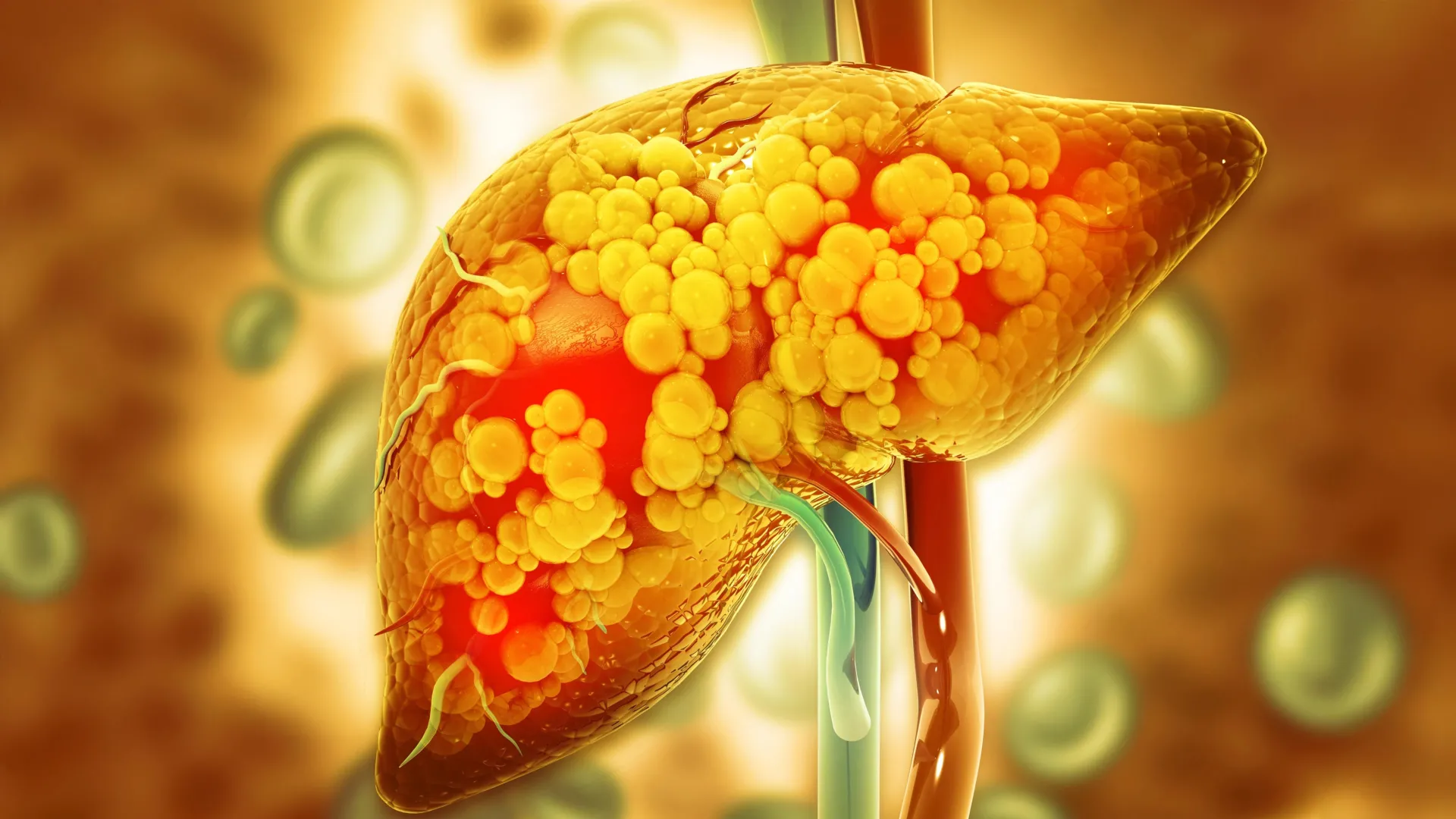
In the landscape of nutritional science, the quest to identify the "optimal" diet for obesity has long been a subject of intense debate. While caloric restriction remains the cornerstone of weight management, a groundbreaking clinical trial published in the journal Cell Metabolism suggests that the composition of those calories may be just as important as the quantity. The study, conducted by researchers at the Washington University School of Medicine in St. Louis, indicates that for individuals struggling with obesity, prediabetes, and fatty liver disease, a ketogenic (Keto) diet may provide profound metabolic advantages that extend far beyond simple weight loss.
The Main Facts: Rethinking Macronutrient Ratios
For decades, health organizations have often promoted low-fat or plant-forward dietary patterns to combat the obesity epidemic, which now affects approximately 40% of the adult population in the United States. However, this new study challenges the "a calorie is a calorie" paradigm. By rigorously controlling the diets of 42 participants, researchers were able to isolate the metabolic effects of three distinct nutritional approaches: the ketogenic diet, the Mediterranean diet, and a low-fat, plant-forward diet.
The central finding of the trial is striking: while all three diets resulted in significant weight loss and improved insulin sensitivity, the ketogenic diet—characterized by extreme carbohydrate restriction and high fat intake—produced the most significant improvements in liver health and glycemic control. Specifically, participants on the keto protocol saw their liver fat drop by an average of 67%, significantly outperforming the 45% reduction seen in the other two cohorts. Perhaps most remarkably, half of the participants in the keto group effectively reversed their prediabetes status by the end of the four-to-five-month trial.
Chronology of the Clinical Trial
The study, led by corresponding author Dr. Samuel Klein and first author Dr. Max Petersen, was designed with a high degree of clinical precision to ensure that the results were not skewed by varying rates of weight loss.
Phase 1: Enrollment and Baseline Assessment
The researchers recruited 42 participants, all of whom presented with a triad of conditions: obesity, prediabetes, and non-alcoholic fatty liver disease (NAFLD). Before the intervention began, the team established baseline metabolic markers, including blood glucose levels, insulin sensitivity, and liver fat content via sophisticated imaging techniques.
Phase 2: Controlled Intervention
Unlike many nutritional studies that rely on self-reported food logs—which are notoriously prone to error—this trial provided all meals to the participants. This ensured 100% adherence to the assigned macronutrient profiles:
- The Ketogenic Group: 4% carbohydrates, 73% fat, and 23% protein.
- The Mediterranean Group: 50% carbohydrates, 35% fat, and 15% protein.
- The Plant-Forward Group: 70% carbohydrates, 15% fat, and 15% protein.
Phase 3: The Weight Loss Target
Recognizing that weight loss itself is a potent metabolic intervention, the researchers adjusted the caloric intake for every participant to ensure they all lost approximately 10% of their total body weight. This normalization allowed the researchers to isolate the "Keto effect" from the "weight loss effect." The participants reached this goal over a period of four to five months, meeting weekly with dietitians to ensure compliance and support.
Phase 4: Final Evaluation
Upon reaching the 10% weight loss milestone, the team conducted a final battery of metabolic tests. This included 24-hour metabolic monitoring and blood analysis to track hormonal responses, lipid profiles, and liver fat content, providing the comprehensive data set that would later define the study’s conclusions.
Supporting Data: Why Keto Outperformed the Rest
The physiological mechanisms behind these results are complex, but the data suggests that the ketogenic diet triggers a unique hormonal shift that favors the mobilization of stored liver fat.
Hormonal Shifts and Liver Health
The researchers observed that participants in the ketogenic group experienced a significant rise in glucagon. Often overshadowed by insulin in the public consciousness, glucagon plays a vital role in regulating fat metabolism. An increase in glucagon, combined with the observed decline in blood insulin levels, created a metabolic environment where the liver was effectively "unloaded" of its excess fat stores.
The Cholesterol Paradox
One of the most surprising findings, according to Dr. Max Petersen, was the lipid profile of the participants. Despite consuming a diet high in dietary fats, the ketogenic group did not see a spike in blood cholesterol or triglycerides. In many clinical settings, doctors caution against high-fat diets for fear of cardiovascular risk, but this data suggests that when carbohydrates are sufficiently restricted, the body processes these fats differently, potentially mitigating the risks usually associated with high-fat intake.
Comparative Success Rates for Prediabetes
The most clinically significant outcome was the reversal of prediabetes. The metrics were stark:
- Ketogenic Group: 50% no longer met prediabetes criteria.
- Mediterranean Group: 29% no longer met prediabetes criteria.
- Plant-Forward Group: 7% no longer met prediabetes criteria.
These statistics suggest that for those whose metabolic machinery is "broken" by carbohydrate intolerance, the ketogenic diet acts as a highly effective therapeutic tool.
Official Responses and Expert Perspectives
The researchers emphasize that while these findings are robust, they are intended to inform clinical practice rather than provide a "quick fix" for the general population.
Dr. Samuel Klein, the study’s corresponding author, notes that while weight loss is the primary driver of improved health, the composition of the diet provides an "extra therapeutic effect." He argues that for patients with specific metabolic conditions, such as severe fatty liver or advanced prediabetes, doctors should consider a ketogenic approach as a medical intervention.
Dr. Max Petersen draws a parallel between this dietary intervention and the current trend of pharmaceutical solutions, such as GLP-1 receptor agonists (like Ozempic or Wegovy). "GLP-1-based medications have revolutionized the therapy of obesity," Petersen stated. "We now have a very effective pharmacotherapy for achieving significant weight loss. But in addition, our study shows that the specific composition of the diet can give you added benefits." The implication is that a "dual-track" approach—combining modern pharmacology with highly targeted, low-carbohydrate nutrition—could be the future of metabolic medicine.
Implications for Public Health and Clinical Practice
The findings from the Washington University team have several far-reaching implications for how we approach chronic disease management.
Moving Beyond "One-Size-Fits-All"
For decades, dietary guidelines have favored a balanced approach. However, this study suggests that "metabolic flexibility"—the body’s ability to switch between burning glucose and burning fat—is severely impaired in people with obesity and prediabetes. By removing the constant influx of glucose (via carbohydrates), the ketogenic diet forces the body to adapt to a fat-burning state, which appears to be the most efficient way to resolve fatty liver disease.
The Future of Medical Nutrition Therapy
Physicians may need to re-evaluate their recommendations for patients with NAFLD. If 67% of liver fat can be cleared through specific dietary manipulation in under five months, this could potentially reduce the reliance on invasive treatments or long-term pharmaceutical interventions.
Limitations and Necessary Caution
While the results are promising, the researchers are quick to note that the study was conducted in a highly controlled environment. Translating these results into "real-world" adherence is a major challenge. The ketogenic diet is notoriously difficult to maintain long-term due to social, cultural, and psychological barriers. Furthermore, this study focused on a specific demographic—those with obesity and prediabetes—and the results cannot necessarily be extrapolated to healthy individuals or those with different metabolic profiles.
Conclusion
As the scientific community continues to grapple with the rising tide of metabolic syndrome, this study provides a vital piece of the puzzle. It underscores that while energy balance is the fundamental rule of weight loss, metabolic health is governed by a more nuanced interplay of macronutrients and hormones. By identifying that the ketogenic diet can achieve superior results in reversing liver fat and prediabetes, the research team at Washington University has opened a new door for targeted, evidence-based nutritional therapy. For the millions of Americans navigating the complexities of metabolic disease, this trial offers a clear, science-backed path toward metabolic recovery.