










For over a decade, the summer solstice—the year’s longest day—has served as a poignant metaphor in the fight against Alzheimer’s disease. Organized by the Alzheimer’s Association, the campaign known as The Longest Day transformed the date with the most sunlight into a symbol of defiance against the "darkness" of a neurodegenerative condition that affects millions of families globally.
However, as the landscape of Alzheimer’s research shifts and the needs of caregivers evolve, the movement itself is undergoing a significant transformation. The Alzheimer’s Association has officially rebranded its flagship grassroots initiative to Do What You Love to End ALZ. This evolution marks a departure from a single-day calendar event toward a year-round philosophy of advocacy, recognizing that the challenges faced by families living with Alzheimer’s do not adhere to a seasonal schedule.
The Core Concept: Turning Passion into Progress
The fundamental premise of the campaign remains rooted in accessibility and personalization. For years, the Alzheimer’s Association has invited individuals to leverage their personal hobbies—whether hiking, gourmet baking, competitive bridge, or community singing—as vehicles for fundraising. By removing the barrier of traditional, high-pressure events like marathons or formal galas, the initiative democratized philanthropy.
Participants were encouraged to choose an activity that brought them joy, turning that passion into a platform for awareness and donation. This approach served a dual purpose: it raised critical funds for care, support, and research, while simultaneously fostering a sense of community and purpose for those navigating the emotional toll of caring for a loved one. As the organization notes, the name The Longest Day was always intended to acknowledge that for many caregivers, every single day can feel like the longest day. By pivoting to Do What You Love to End ALZ, the Association is streamlining its call to action to better align with the daily realities of the Alzheimer’s community.
Chronology of a Grassroots Movement
The history of this initiative reflects a broader shift in how medical non-profits engage their donor base.
- 2013–2015: Inception and Growth. The The Longest Day campaign launched with the intent of using the summer solstice as a focal point. It was designed to reach younger demographics and those who wanted to support the cause without participating in traditional, labor-intensive walks.
- 2016–2020: Digital Expansion. As social media and peer-to-peer fundraising platforms matured, the campaign exploded in popularity. Participants began livestreaming their activities, creating virtual teams, and utilizing global networks to solicit donations, proving that a localized hobby could have a national impact.
- 2021–2024: The Pandemic Pivot. The COVID-19 pandemic forced the organization to reconsider the "event-based" nature of the campaign. With in-person gatherings suspended, the focus shifted entirely to individual, remote, and socially distanced activities. This proved that the campaign could thrive without the physical constraints of a single day or a single venue.
- 2025–2026: The Rebrand. Recognizing that the "solstice" branding was becoming a limiting factor for a community that needed support 365 days a year, the Alzheimer’s Association transitioned to the Do What You Love to End ALZ framework. This move officially unmoors the fundraising from the calendar, encouraging participants to start their initiatives at any time.
Supporting Data: The Urgency of the Mission
The necessity for such flexible, widespread fundraising is driven by staggering data. According to the Alzheimer’s Association, more than 6 million Americans are currently living with Alzheimer’s disease. By 2050, that number is projected to rise to nearly 13 million.
The economic and human costs are equally daunting. In 2024 alone, the cost of caring for individuals with Alzheimer’s and other dementias is estimated at over $360 billion in the United States, a figure expected to reach nearly $1 trillion by 2050. These numbers underscore the critical importance of private, community-driven funding. While federal grants and pharmaceutical investment drive large-scale clinical trials, grassroots fundraising provides the essential bridge for:
- Caregiver Support Groups: Localized programs that provide mental health resources to those providing unpaid care.
- Early Detection Initiatives: Community outreach that helps families recognize the signs of dementia before they become crises.
- Public Advocacy: Funding the lobbying efforts that keep Alzheimer’s at the forefront of national health policy.
Official Responses and Strategic Shift
Katrin Werner-Perez, Director of Health Programs at the Alliance for Aging Research, emphasizes that the transition is not merely cosmetic; it is a strategic alignment with the needs of the aging population.
"The shift to Do What You Love to End ALZ reflects an understanding of modern advocacy," says Werner-Perez. "By removing the temporal constraints of a single day, we empower individuals to integrate their support for Alzheimer’s research into their daily lives in a way that is sustainable. Whether you are a marathon runner or a book club member, your contribution is equally vital to the ecosystem of care and discovery."

The Alzheimer’s Association’s official stance on the rebrand focuses on "flexibility and personalization." By allowing supporters to set their own pace, the organization hopes to reduce "advocacy burnout," a common phenomenon where donors and volunteers feel overwhelmed by the intensity of annual, high-stakes campaigns.
The Implications of a Year-Round Movement
The implications of this shift are profound for the future of non-profit fundraising in the health sector. By moving toward a permanent, "always-on" model, the Alzheimer’s Association is essentially building a perpetual motion machine for advocacy.
Expanding the Demographic Reach
The new, flexible model is expected to attract younger donors who prefer "micro-philanthropy"—small, frequent contributions tied to specific, manageable activities. This is crucial for the long-term viability of Alzheimer’s research, as the demographic of caregivers and supporters shifts toward younger generations who are increasingly affected by early-onset cases or the caregiving responsibilities of aging parents.
Integrating Research and Care
The campaign’s flexibility allows for better integration with current research milestones. As new treatments for early-stage Alzheimer’s emerge—such as anti-amyloid therapies—the fundraising efforts can be dynamically linked to the specific educational needs of the public regarding these new treatments.
Addressing Neuropsychiatric Symptoms
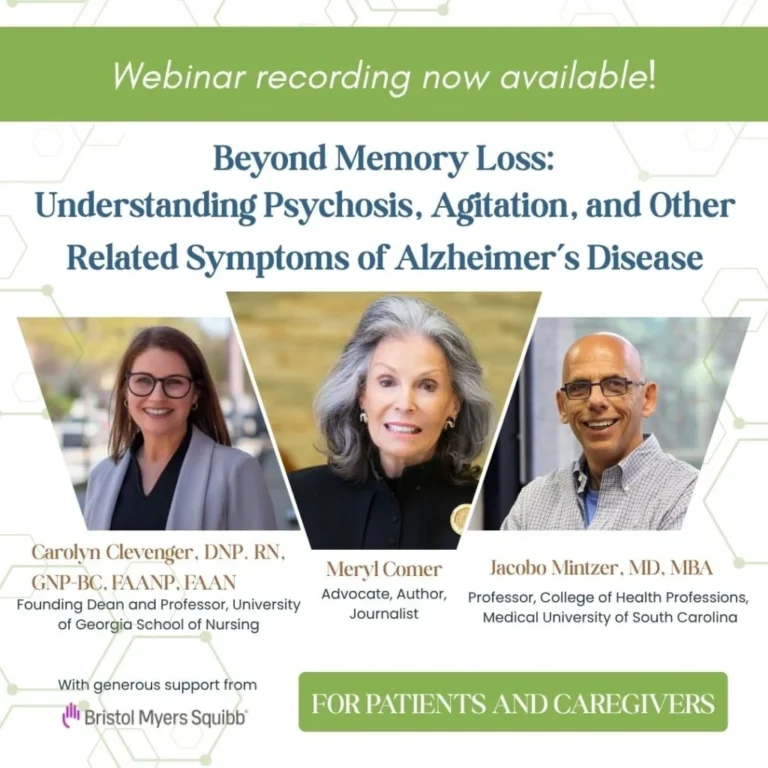
A significant focus of current research, supported by funds from initiatives like Do What You Love to End ALZ, is the management of neuropsychiatric symptoms (NPS). These include agitation, anxiety, and sleep disturbances, which are often the most challenging aspects of caregiving. By funneling resources into programs like Project PAUSE (the Alliance for Aging Research’s initiative to improve the care of patients with Alzheimer’s), the campaign ensures that the money raised does not just disappear into abstract research, but improves the quality of life for families today.
How to Engage: A Three-Step Framework
To maintain the simplicity that made the previous campaign successful, the Alzheimer’s Association has formalized the participation process into three clear steps:
- Choose Your Passion: Identify an activity that brings you joy or that you are already planning to do. This could be anything from organizing a local park walk for seniors to hosting a neighborhood talent show or a virtual gaming marathon.
- Set Up Your Page: Use the official Do What You Love to End ALZ online portal to create a personal fundraising page. This platform provides the tools to track progress, share your story, and engage your social network.
- Spread the Word: Utilize the provided digital toolkits to inform your community about why you are participating. Personal narratives—sharing why you are choosing to support this cause—remain the most effective way to drive donations.
Looking Ahead: A Sustained Stand
The transition from The Longest Day to Do What You Love to End ALZ is more than a name change; it is an acknowledgment that the fight against Alzheimer’s is a marathon, not a sprint. While the summer solstice will always remain a symbolic date, the movement’s success now depends on the daily, sustained efforts of individuals across the country.
As we look toward the future, the integration of community-driven activity and high-level medical research will be the key to unlocking new treatments and better care standards. For those looking to participate, the message is clear: there is no "right" way to help, as long as you are doing something you love. By turning individual joy into a collective force for change, the Alzheimer’s community is ensuring that, eventually, we will see the end of the darkness that this disease casts on millions of lives.
For more information on how to get started, or to learn more about the critical research and advocacy being performed, visit the Do What You Love to End ALZ official website. Furthermore, resources on managing neuropsychiatric symptoms, understanding agitation in patients, and the ongoing efforts of Project PAUSE can be found through the Alliance for Aging Research, providing a comprehensive look at the multi-faceted approach needed to defeat this disease.