








Introduction: A Biological Breakthrough
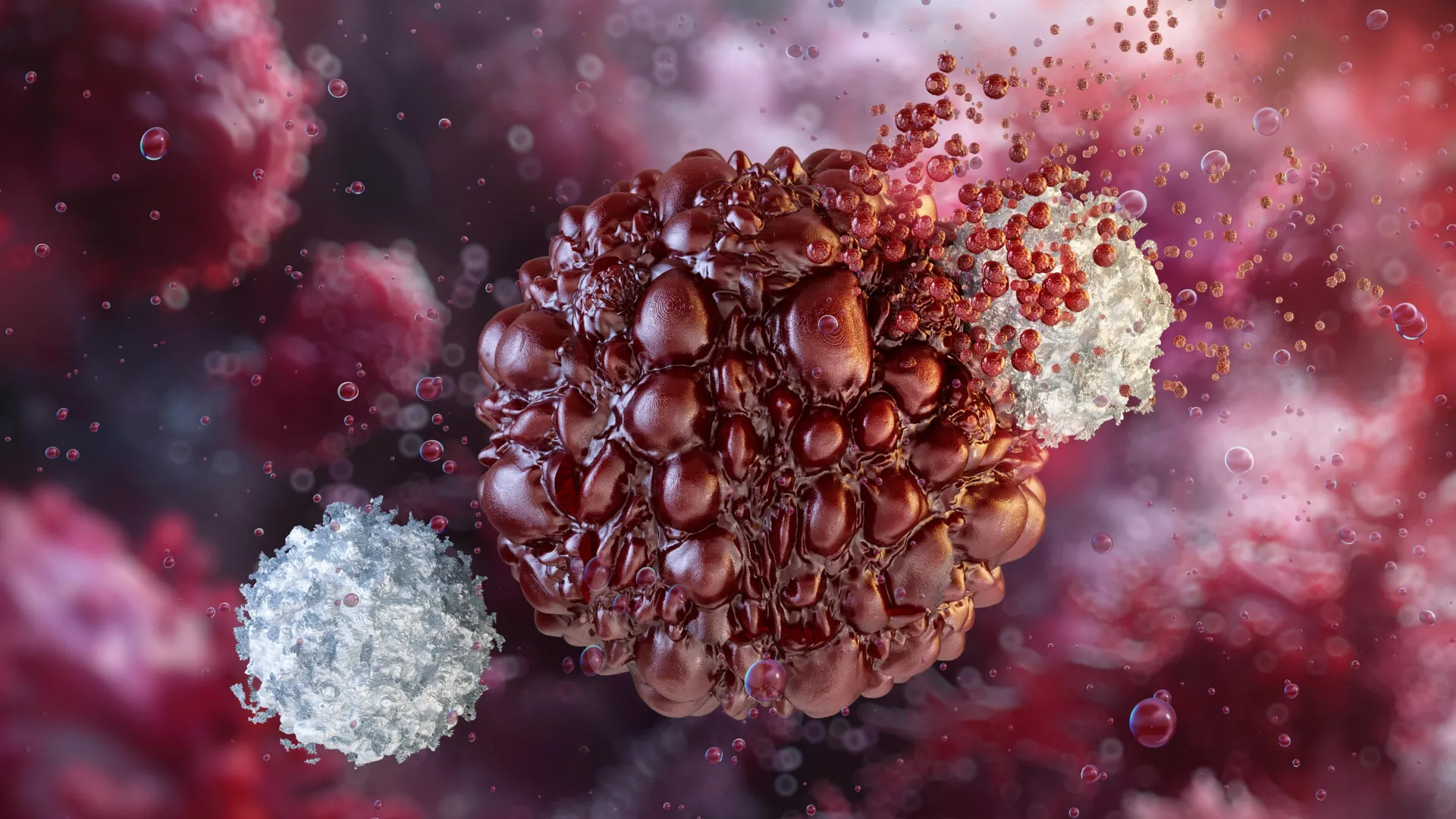
In the complex, microscopic battleground of the human body, the immune system is constantly engaged in a silent war against malignancy. Yet, for many patients, tumors remain masters of disguise, effectively silencing the immune response and rendering modern immunotherapy treatments ineffective. A groundbreaking study from Nagoya University, published in Nature Communications, has unveiled a potential turning point in this conflict.
Researchers have identified that an evolutionarily ancient immune molecule, complement C3, plays a critical, localized role in orchestrating a successful anti-tumor immune response. Contrary to previous assumptions that focused on the systemic circulation of immune proteins, the study reveals that it is the C3 produced locally within the tumor microenvironment—not the C3 coursing through the bloodstream—that acts as the vital gatekeeper, preventing immunosuppressive cells from infiltrating and sabotaging the body’s defenses.
The Chronology of Discovery: From Sponges to Clinical Trials
The journey to this discovery began with a shift in perspective. Historically, complement C3 has been viewed primarily as a liver-derived plasma protein. Found in the most primitive of organisms, including jellyfish and sponges, C3 is a foundational pillar of innate immunity, designed to tag pathogens for destruction.
The Shift in Focus
For decades, medical research concentrated on systemic C3. However, a team led by Assistant Professor Yuki Miyai at Nagoya University’s Graduate School of Medicine began to question the importance of "tissue-resident" C3. They observed that cancer tumors are encased in a supportive web of cells known as cancer-associated fibroblasts. The team hypothesized that these fibroblasts were not merely passive structural components but active participants in the immune landscape.
Experimental Validation
To test this, the researchers utilized sophisticated murine models. By genetically manipulating the sources of C3, they were able to isolate the protein’s origins. In one phase of the experiment, they reduced liver-produced C3 by 90%. Remarkably, the efficacy of anti-PD-1 immunotherapy remained unchanged.
Conversely, when the team inhibited the ability of tumor-associated fibroblasts to produce C3, the effectiveness of the immunotherapy plummeted, despite a negligible change in total systemic C3 levels. This clear dichotomy—systemic versus local—shifted the scientific consensus, proving that the battlefield is not the entire body, but the specific, localized tumor site.
Supporting Data: The Mechanism of Resistance
The core of the discovery lies in how locally produced C3 physically alters the tumor environment. The researchers identified a specific fragment of the C3 protein, known as iC3b, as the primary agent of change.
The Gatekeeper Effect
In many tumors, immunosuppressive myeloid cells infiltrate the tissue, creating a "cold" tumor environment where the immune system is effectively neutralized. The Nagoya team discovered that when C3 is produced locally by fibroblasts, it breaks down into iC3b. This fragment acts as a molecular sentry, physically obstructing the entry of these harmful myeloid cells.
Human Clinical Correlation
The findings were not confined to the laboratory. In a validation phase, the researchers analyzed tissue samples from human lung cancer patients. The clinical data mirrored the murine results with startling accuracy:
- High Local C3: Patients with elevated levels of C3 in the tissue surrounding their tumors showed significantly higher response rates to immunotherapy. Approximately 50% of these patients responded positively to treatment.
- Low Local C3: In stark contrast, none of the patients with low local C3 levels saw a positive response to their immunotherapy regimen.
- Systemic Irrelevance: Just as in the animal trials, the concentration of C3 in the patients’ bloodstreams showed zero correlation with treatment success, reinforcing the theory that the "local" environment is the decisive factor in clinical outcomes.
Official Responses and Expert Insights
The lead author of the study, Dr. Yuki Miyai, emphasizes that this research redefines our understanding of tumor-immune dynamics. "Until now, the role of complement C3 produced by these cancer-associated fibroblasts within tumor tissue was not known," Dr. Miyai stated. "What determined the efficacy of the immunotherapy treatment was not the C3 in the blood, but the local C3 produced at the tumor site."
The scientific community has noted the elegance of this mechanism. By identifying that C3 acts as a regulator of the tumor microenvironment, the researchers have provided a new target for drug development. Rather than attempting to bolster the entire immune system, clinicians may soon have the ability to "prime" the tumor site specifically, turning "cold" or resistant tumors into "hot" ones that the immune system can recognize and destroy.
Implications: A New Era for Immunotherapy
The implications of this research are far-reaching, particularly for patients currently facing limited treatment options due to immunotherapy resistance.
Overcoming Resistance
The team’s most promising finding was the development of an experimental approach that mimics the protective effects of C3. By using a drug to simulate the way iC3b blocks myeloid cell infiltration, the researchers successfully enabled immunotherapy to work in tumors that were previously classified as treatment-resistant. This led to a significant extension in survival time in test subjects.
Personalized Medicine
This discovery offers a clear path toward better patient stratification. By measuring C3 expression in tumor biopsies, oncologists could potentially predict which patients are likely to respond to standard immunotherapy and which patients might require additional intervention to "prime" their tumor microenvironment. This represents a significant leap toward precision oncology, where treatments are tailored to the molecular realities of an individual’s tumor.
Future Therapeutic Avenues
While the research is still in its early stages, the potential for therapeutic application is significant. Potential future treatments might involve:
- Local Delivery Systems: Engineering therapies to deliver C3 or its fragments directly into the tumor microenvironment.
- Fibroblast Modulation: Finding ways to stimulate the natural production of C3 by the body’s own cancer-associated fibroblasts.
- Combination Therapies: Pairing standard checkpoint inhibitors (like anti-PD-1) with agents that prevent myeloid cell recruitment, effectively clearing the path for the immune system to launch an attack.
Beyond Cancer: The Broader Biological Landscape
The research team has noted that the implications of C3’s localized activity likely extend beyond oncology. Complement proteins are deeply involved in the body’s response to injury and the regulation of chronic inflammation. By understanding how tissues "manufacture" their own immune support, scientists may gain new insights into wound healing, autoimmune disorders, and chronic inflammatory diseases.
"Learning more about the local activity of C3 could improve our understanding of other biological processes," the researchers noted in their report. The ability to manipulate this ancient, evolutionary mechanism could unlock a myriad of new treatments for conditions where the body’s inflammatory response is either overactive or insufficient.
Conclusion: The Path Forward
The Nagoya University study serves as a profound reminder that some of the most effective solutions in modern medicine may be hidden in the ancient, often overlooked mechanisms of our own evolution. By moving our gaze from the systemic bloodstream to the granular, local environment of the tumor, researchers have unveiled a new strategy to empower the immune system.
As the team moves toward clinical trials and further investigates the timing and delivery of these localized interventions, the hope is that this discovery will transform immunotherapy from a hit-or-miss treatment into a more reliable, personalized weapon against cancer. For the millions of patients whose tumors currently resist existing therapies, the ancient wisdom of the complement system may hold the key to a future of improved survival and renewed health.