










BARCELONA, Spain — Sunday, September 6, 2026 — For millions of children across Europe, the classroom is a second home, a place of intellectual growth and social development. However, new research presented at the European Respiratory Society (ERS) Congress suggests that these vital learning environments may be harboring invisible threats. A comprehensive study has identified a significant correlation between common bacteria found in classroom dust and reduced lung function in primary school-aged children.
As school systems globally grapple with the post-pandemic focus on indoor air quality, these findings provide a stark reminder that the health of a child is inextricably linked to the physical state of the building in which they spend the majority of their waking hours.
Main Facts: The Intersection of Microbes and Lung Function
The study, conducted by a research team from the University of Ferrara in Italy and the French technology firm Alten S.A., centers on two specific bacterial genera: Streptomyces and Mycobacterium spp. These microorganisms are ubiquitous in nature, commonly found in soil, water systems, and outdoor dust.
The research reveals that when these bacteria accumulate within the dust of a classroom, they are associated with measurable deficits in children’s respiratory performance. Specifically, the researchers found that:
- Impact of Streptomyces: Children in classrooms with elevated levels of Streptomyces showed a 0.08-litre decrease in Forced Vital Capacity (FVC)—the total amount of air a person can exhale after a full inhalation.
- Impact of Mycobacterium: Elevated levels of Mycobacterium were linked to lower Forced Expiratory Volume (FEV1), a reduction of 0.06 litres, and a lower Peak Expiratory Flow (PEF) by 0.13 litres per second.
While these individual reductions may appear modest on a per-child basis, the researchers emphasize that they are statistically significant and represent a cumulative public health concern. Because children occupy these environments five days a week, nine months a year, the chronic exposure to these pollutants may set the stage for diminished respiratory health that persists into adulthood.
Chronology: From the SINPHONIE Data to the ERS Congress
The road to these findings began with the expansive SINPHONIE (Schools Indoor Pollution and Health: Observatory Network in Europe) project. This initiative was designed to provide a panoramic view of the environmental health conditions of school buildings across 22 European nations.
The Research Timeline:
- Data Collection (SINPHONIE Era): The foundation of this research relied on data harvested from nearly 300 classrooms across Europe. Scientists performed extensive dust sampling, analyzing the microbial composition of the indoor environment.
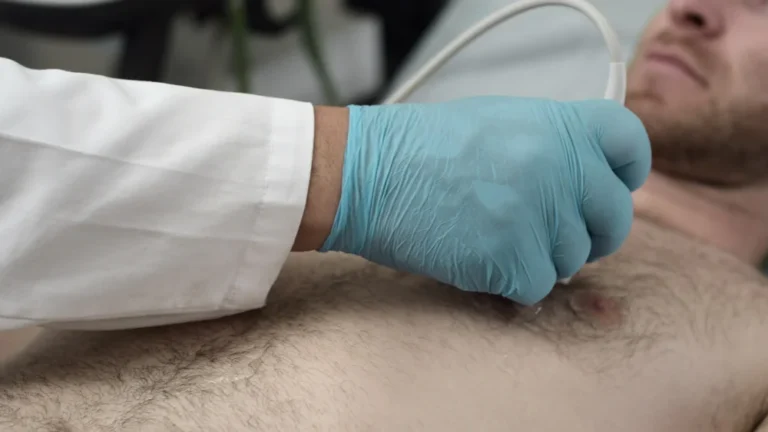
- Physiological Assessment: Simultaneously, the research team conducted standardized spirometry tests. During these tests, children were instructed to take a deep breath and exhale as forcefully as possible into a calibrated device. This allowed researchers to map specific respiratory volumes against the microbial data collected from the students’ respective classrooms.
- Refinement and Adjustment: To ensure the findings were not skewed by external variables, the team performed rigorous statistical adjustments. They accounted for age, gender, Body Mass Index (BMI), socioeconomic status, passive smoking, pet allergens, the age of the school building, regional climate, and ambient outdoor air pollution.
- Presentation at ERS Congress (September 2026): Dr. Soutrik Banerjee, the lead researcher, presented the findings to an international audience of pulmonologists and environmental scientists in Barcelona, marking a pivotal moment in the discourse on school-based health.
Supporting Data: Why Lung Function Matters
To understand the severity of these findings, one must understand the mechanics of lung function. The researchers focused on three key metrics:
- FVC (Forced Vital Capacity): This measures the total lung volume. A reduction here indicates that the lungs are physically unable to expand or contract to their full potential.
- FEV1 (Forced Expiratory Volume in 1 second): This measures the efficiency of the airways. A decrease here suggests that air is meeting resistance as it exits the lungs, which is a hallmark of airway inflammation.
- PEF (Peak Expiratory Flow): This measures the maximum speed of exhalation, often used to monitor the narrowing of bronchial tubes.
Reduced lung function does not just mean "shortness of breath." It implies a reduced capacity to oxygenate the blood and clear carbon dioxide. In children, whose lungs are still developing, this impairment can lead to chronic fatigue, decreased physical endurance, and, according to Dr. Banerjee, acts as a "pre-cursor to preventable lung disease in later life."
The Biological Mechanism: Why Bacteria Matter
Dr. Banerjee and his colleagues have proposed several theories as to why these specific bacteria impact the respiratory tract.
Direct vs. Indirect Effects
The research team suggests a two-pronged hypothesis regarding the role of these bacteria:
- Direct Biological Irritation: The bacteria may act as direct irritants to the delicate tissues of the airway. Once inhaled, these microbes may trigger the body’s immune system to launch an inflammatory response. In a classroom, where children are constantly inhaling dust, this "low-grade" chronic inflammation may prevent the lungs from reaching their optimal developmental potential.
- The "Marker" Hypothesis: Alternatively, the presence of Streptomyces and Mycobacterium may be an indicator of poor building health. These bacteria thrive in damp, poorly ventilated, or inadequately cleaned environments. In this view, the bacteria themselves might not be the primary villain, but rather a "canary in the coal mine" representing a broader failure in building management—such as high humidity levels, water intrusion, or stagnant air circulation.
Official Responses and Expert Analysis
The medical community has received the study as a significant call to action. Professor Alexander Möller, Head of the European Respiratory Society’s Paediatric Assembly and a leading expert in Pediatric Pulmonology at the University Children’s Hospital Zurich, provided an independent perspective on the data.
"This large European study shows that children’s lungs seem to suffer when these specific types of bacteria are present in their classrooms," Professor Möller noted. "While it is important to clarify that we are not suggesting schools should be turned into sterile, hospital-like environments—which would be counterproductive to a child’s immune development—the data clearly highlights that the environment matters."
The "Healthy Building" Mandate
Professor Möller argued that the findings should prompt a shift in how educational facilities are maintained. He outlined three priorities for school administrators and policymakers:
- Ventilation over Filtration: Improving the exchange of indoor air with clean outdoor air is the most effective way to reduce the concentration of dust-borne microbes.
- Dampness Control: Moisture is the catalyst for bacterial and fungal growth. Schools must prioritize the repair of leaks and the management of humidity levels.
- Systemic Maintenance: Routine, deep cleaning of classrooms is not just a cosmetic necessity; it is a public health requirement.
Implications: A Call for Policy Reform
The implications of this study extend beyond the classroom. In an era where respiratory issues like asthma and chronic coughs are on the rise among the youth, the link between school infrastructure and lung development is becoming impossible to ignore.
Economic and Social Investment
"Investment in indoor air quality, building maintenance, and the monitoring of environmental conditions in classrooms is money well spent," says Dr. Banerjee.
The economic argument is clear: the cost of upgrading ventilation systems and implementing robust maintenance schedules is far lower than the long-term societal cost of treating chronic respiratory disease in a population that could have been prevented from developing those conditions in the first place.
Future Research Directions
The scientific community is now calling for longitudinal studies to determine if interventions—such as installing high-efficiency air filtration systems or implementing new cleaning protocols—can actually reverse these trends in lung function.
As the Barcelona conference concludes, the message to educational authorities across Europe and the world is consistent: the physical environment of the classroom is a foundational component of pediatric health. By acknowledging the role of the "micro-environment" within our schools, we can take a critical step toward ensuring that the air our children breathe supports, rather than hinders, their development.
The study serves as a poignant reminder that while we often focus on the curriculum, the "hidden curriculum" of the school—the air, the dust, and the maintenance—is equally instrumental in shaping the future of the next generation.