











By Editorial Staff
In the quiet rhythms of a long-term marriage, roles often become defined by necessity. For 76-year-old Ellen Lenox Smith, life has been a testament to resilience, defined by a decades-long struggle with Ehlers-Danlos syndrome (EDS), a connective tissue disorder that has necessitated over 30 surgeries. Throughout this journey, her husband has served as her primary advocate, physical therapist, and physical support system. However, a recent shift in the couple’s health landscape has forced a profound role reversal, offering a poignant look at the complexities of "disabled caregiving"—a phenomenon becoming increasingly common in an aging global population.
Main Facts: A Partnership Tested by Time
The core of this narrative centers on the intersection of two chronic health trajectories. Ellen Lenox Smith, who lives with the systemic instability caused by EDS, has long relied on her husband for daily maintenance tasks. These include performing specialized physical therapy exercises to prevent joint subluxations (partial dislocations), assisting with food preparation, and managing heavy lifting or physical maneuvers that her fused neck and fragile joints cannot accommodate.
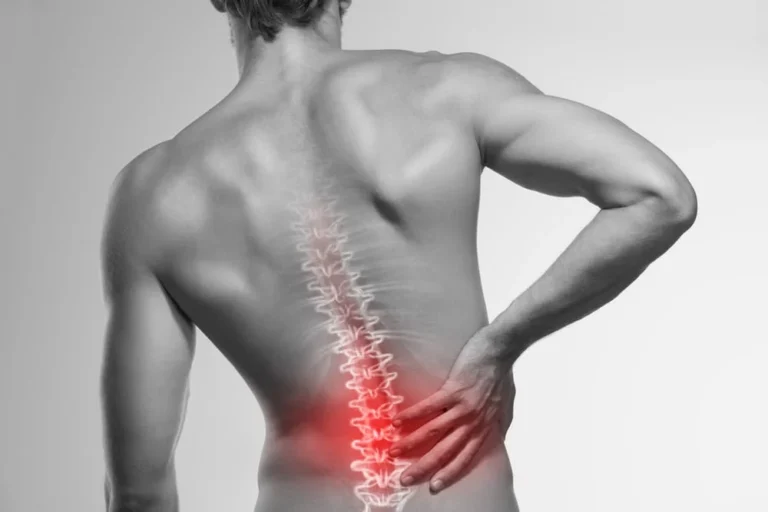
The stability of this arrangement was upended when her husband, now 79, began facing his own significant health crises: a diagnosis of Parkinson’s disease and a summer marred by severe back pain that necessitated two major surgical interventions. The situation presented a logistical and physical paradox: how can an individual with significant physical disabilities assume the role of primary caregiver for a spouse undergoing complex recovery?
Chronology: The Road to Adaptation
The crisis began with the impending schedule of the husband’s back surgeries. For Ellen, the anticipation of his hospitalization was not merely an emotional challenge but a tactical one.
Phase 1: The Preparatory Stage
Recognizing that her husband’s absence would remove the daily infrastructure of her own mobility, Ellen began a rigorous process of "pre-planning." This involved mapping out every physical requirement of their shared home—from the care of two dogs to the maintenance of their medical garden. This period was characterized by high anxiety; the removal of her daily morning physical therapy routine, which her husband usually facilitated, loomed as the most significant hurdle.
Phase 2: The Hospitalization and Initial Transition
During her husband’s weeklong hospital stay, the reality of the new routine set in. Ellen faced the immediate need to drive herself to his bedside, attend her own PT appointments, and maintain the household. It was during this period that the "I can’t" list—a mental tally of tasks like opening windows or lifting heavy dehumidifiers—had to be suppressed in favor of innovative problem-solving.
Phase 3: Creative Problem-Solving
Post-surgery, the couple entered a phase of adaptation. Ellen utilized lateral thinking to circumvent her physical limitations. For instance, to navigate bedroom lighting without triggering shoulder subluxations, she developed a sequence involving the television remote and specific orthopedic footwear. Furthermore, she negotiated changes in their sleep hygiene, utilizing her husband’s CPAP machine requirements as a catalyst for mutual rest, which in turn helped stabilize her own hip joints by preventing muscle fatigue.
Supporting Data and The Reality of Aging with Disability
The experience of the Lenox Smith household highlights a critical demographic trend. According to the AARP and various geriatric health studies, the "sandwich generation" is increasingly aging into a "caregiver-caregiver" dynamic.
- The Burden of Comorbidity: Managing EDS—a condition that causes hypermobility and systemic pain—alongside Parkinson’s creates a unique strain on the healthcare system. While standard caregiving models assume a healthy caregiver, the reality is that many caregivers over the age of 65 are themselves managing one or more chronic conditions.
- The Role of Community: Ellen’s experience underscores the vital importance of "micro-help." Her reliance on the kindness of strangers—such as grocery store clerks who packed her bags with lighter weights—serves as a reminder that accessibility is not just about architecture; it is about social infrastructure.
- The Familial Safety Net: The intervention of their four sons, including one traveling from abroad, provided the necessary "surge capacity" to keep the household functioning during the acute recovery period.
Official Perspectives and Expert Insight
While this is a personal account, the medical implications are significant. Occupational therapists often emphasize the concept of "energy conservation" for patients with EDS. Ellen’s method of adjusting her lighting routine is a textbook example of the "work smarter, not harder" philosophy taught in rehabilitation circles.
Geriatricians note that when two partners are interdependent, the risk of "caregiver burnout" is doubled. Dr. Julianne H., a specialist in chronic pain management (not directly involved in this case), notes: "When a disabled patient becomes a caregiver, they often ignore their own pain signals to prioritize the partner. This leads to a dangerous cycle of secondary injury. The success of a partnership like this depends on the caregiver’s ability to advocate for their own physical boundaries while simultaneously providing care."
Ellen’s realization—that she had to take care of herself to effectively care for her husband—is the cornerstone of sustainable caregiving. "I’ve not only been caring for my husband; I’ve had to make sure to take care of myself as well," she observes.
Implications for the Future
The journey of the Lenox Smiths offers several implications for those navigating chronic illness in their golden years:
1. The Necessity of Pre-emptive Planning
The transition into a caregiver role should not be reactive. For couples living with chronic conditions, having a "Crisis Plan" is essential. This includes identifying local support, delegating household chores, and communicating with medical providers about the caregiver’s own physical limitations.
2. The Shift in Identity
For many, the hardest transition is internal. Moving from the "patient" to the "provider" can induce feelings of inadequacy. Ellen’s experience proves that the definition of a caregiver is not tied to physical strength, but to the capacity for coordination, management, and emotional presence.
3. Accepting Help as a Strength
Society often frames independence as the pinnacle of success. However, for those with disabilities, interdependence is a more realistic and sustainable goal. The willingness to accept help—from family, neighbors, or strangers—is a skill that requires practice and the shedding of pride.
4. Planning for the "Unknown"
As the couple reaches 76 and 79, the shadow of mortality and the fear of "who will go first" is a universal experience for aging couples. Yet, this experience has provided a new form of currency for them: confidence. By surviving the transition of the last few months, they have gained a sense of agency that transcends their physical limitations.
Conclusion: A Lesson in Resilience
Ellen Lenox Smith’s account serves as a poignant, practical, and deeply human roadmap. It is a reminder that while the body may fail, the human spirit—supported by careful planning and the grace of accepting help—can navigate the most treacherous transitions.
For those currently living with pain, finding themselves suddenly tasked with the care of a partner, the message is clear: be gentle with your expectations, be creative with your methods, and, above all, recognize that the strength you are building today is the foundation for the unknowns of tomorrow. As Ellen puts it, this journey has turned a source of fear into a discovery of inner strength. May that discovery serve as a light for others traveling the same, often difficult, but ultimately meaningful path.